make preferable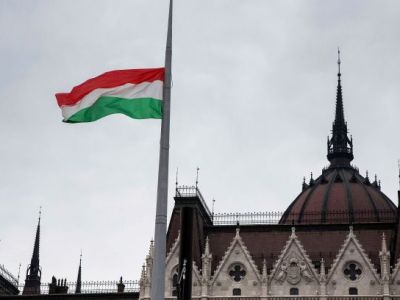
The European Union has begun restricting Hungary's participation in confidential meetings amid concerns that Budapest may be passing classified information to Moscow, informed sources told Politico. According to them, this has resulted in "a significant portion of European diplomacy" now taking place in small-group formats rather than full sessions involving all 27 EU member states. Talks are being conducted within groups such as E3 (France, Germany, the UK), E4 (the same countries plus Italy), the Weimar Triangle (Germany, Poland, France), NB8 (eight Nordic and Baltic states), and others.
The government of Hungarian Prime Minister Viktor Orbán has maintained close contacts with Russia throughout the war in Ukraine, European sources previously told The Washington Post. They noted that the country's Foreign Minister Péter Szijjártó used breaks during meetings with other EU member state representatives to call Russian Foreign Minister Sergei Lavrov. Against this backdrop, Polish Prime Minister Donald Tusk stated that Orbán's representatives had been briefing Moscow "in full detail" on EU Council sessions. "We have long had suspicions about this. It is one of the reasons why I only take the floor when necessary and say exactly as much as needed," Tusk wrote on X.
According to Politico, EU leadership does not wish to officially comment on reports of Hungary passing data to Russia so as not to influence the outcome of parliamentary elections in the country, scheduled for April 12. Meanwhile, the Orbán government has denied close ties with Moscow. Minister for European Affairs János Bóka called the reports "fake news" aimed at lowering the ratings of Orbán's Fidesz party. According to the aggregate poll results calculated by Politico, 39% of Hungarians are prepared to vote for it, while 48% back the opposition Tisza party.
To support its ally, the Kremlin has, according to the Financial Times, proposed a plan to spread disinformation across Hungarian social media. The propaganda campaign portrays Orbán as the only candidate capable of preserving Hungary's sovereignty. Additionally, as reported by The Washington Post, citing an internal Russian Foreign Intelligence Service report, Moscow proposed staging an assassination attempt on Orbán to influence the election outcome.