make preferable
Iran's Defense Council has reaffirmed its commitment to delivering a decisive and devastating response to any encroachment on the country's power plants and energy infrastructure. As stated in an official announcement, this position has already been demonstrated through retaliatory strikes on nuclear facilities at Natanz, as well as attacks on energy infrastructure in Assaluyeh, reflecting the principle of "retaliatory strike" enshrined in the Quran.
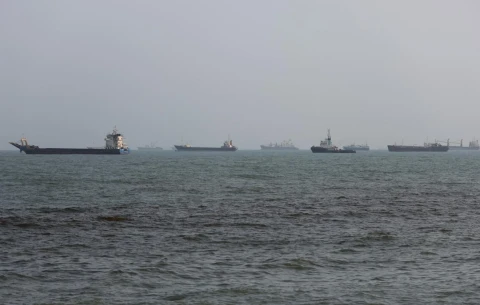
The statement emphasizes that any attempt by the enemy to attack Iran's coastlines or islands will result in the mining of all maritime routes and lines of communication in the Persian Gulf and coastal areas. The mines will include both stationary and drifting mines that can be deployed from the coastline. Should these measures be implemented, virtually the entire Persian Gulf would be blocked for an extended period, similar to the situation with the Strait of Hormuz. Responsibility for the blockade will be placed on the party that created the threat.
The statement also recalled that the experience of the failure of more than 100 minesweepers attempting to clear a limited number of sea mines in the 1980s remains relevant today, making any attempts to circumvent precautionary measures extremely dangerous.
Iran's Defense Council stressed that the only safe passage through the Strait of Hormuz for non-belligerent countries remains coordination with Iran. The entire country — from the people to the armed forces and leadership — will strictly follow the orders of the Supreme Commander and the great leader of the Islamic Revolution.