make preferable
A new discovery in West Africa is literally turning our understanding of human origins upside down. Scientists have found evidence that ancient humans lived in dense tropical forests as early as 150,000 years ago, more than twice as long ago as previously thought.
The paper on the discovery was published in the journal Nature.
Until now, archaeologists had been certain that the first Homo sapiens avoided rainforests and preferred savannas, beaches, and open spaces.
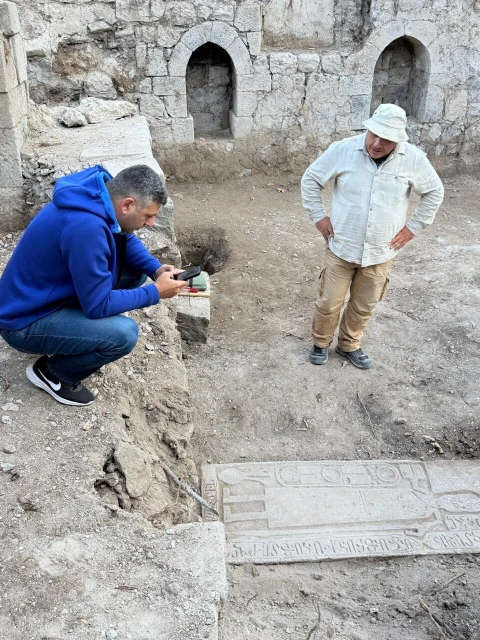
The aforesaid research began with a re-examination of the Bété I archaeological site in Côte d’Ivoire, which was first explored in the 1980s.
At that time, scientists had found stone tools, but technology did not allow them to be accurately dated. Now, researchers have used modern dating techniques, including optically stimulated luminescence and electron spin resonance, to come up with a startling result: humans were in these forests about 150,000 years ago.
To make sure that this is indeed an ancient tropical forest, scientists analyzed pollen, plant microparticles, and chemical traces in the soil. Everything indicates that the area was already covered in dense, humid forests at that time. This is especially important because it was long believed that such an environment would be too difficult for early humans to survive. It is difficult to hunt in the rainforest, it is difficult to navigate, and many plants are poisonous.
The scientists also suggest that humans may have influenced the ecosystems of tropical forests much earlier than is commonly believed.
If our ancestors lived in rainforests tens of thousands of generations ago, they probably already changed the environment at that time: they hunted, used fire, and influenced the flora.
This opens up a completely new perspective on the history of the relationship between man and nature.