make preferable
The process of delimitation of the Armenian-Azerbaijani border should move forward in a strictly legal manner, based on the legally binding maps of the USSR General Staff of 1974-1978.
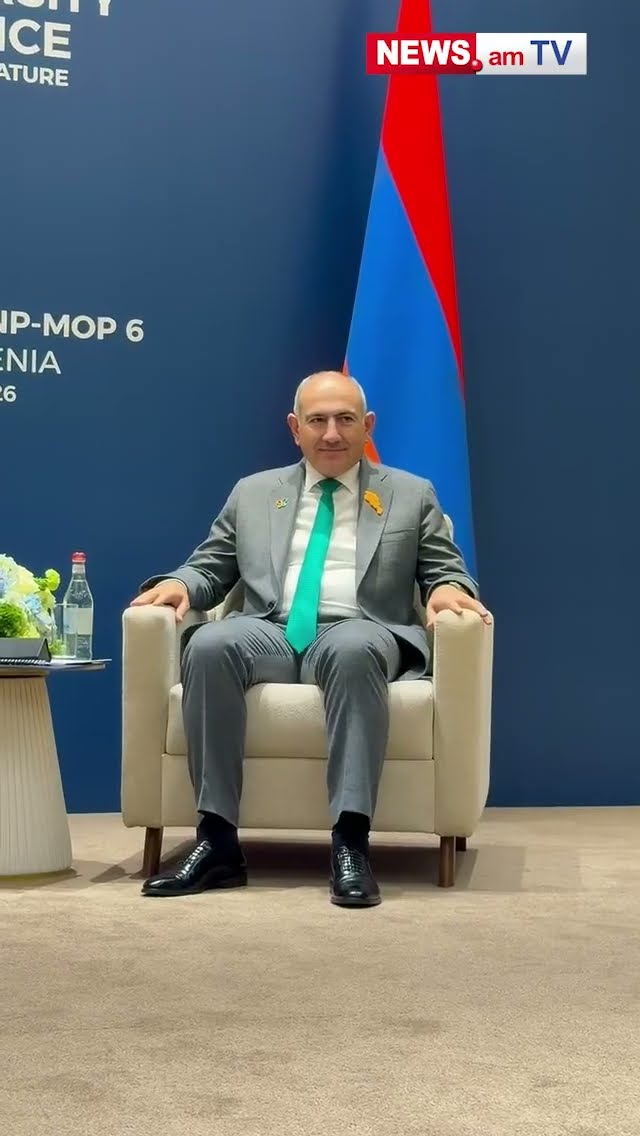
Armenian Prime Minister Nikol Pashinyan stated this at a press briefing held at the government Thursday, as he responded to Armenian News-NEWS.am's question as to whether the issue of exchanging enclaves between Armenia and Azerbaijan had already been clearly put on the negotiating table.
The premier said that Yerevan was consciously reducing unnecessary "tension" on this topic, since the principle of reciprocity, enshrined in the 1991 Alma-Ata declaration, applies to this issue. According to him, attempts to ignore ex-Soviet borders would deprive Armenia of the legal grounds to demand the withdrawal of Azerbaijani troops from its sovereign territory.
“If we [i.e. Armenia] are guided by the assumption that ‘whoever actually owns what, the land belongs to it,’ it will mean that we ourselves are voluntarily removing the issue of the [Azerbaijani-]occupied territories of Jermuk [city] and our other sectors from the agenda.
We are obligated to follow the de jure path, based on the maps on the basis of which we have already carried out the delimitation of the border in Tavush Province,” the prime minister of Armenia explained. Pashinyan noted that the unresolved nature of these border issues makes Armenia vulnerable to manipulation by both internal and external forces.
He added that if during the work of the infrastructure optimization commissions the parties come to such decisions that will require a change in the borders, the authorities will act within the framework of the law.
“This is a normal working process. If we come to such decisions that, in accordance with the Constitution and legislation of the Republic of Armenia, require a direct expression of the will of the people [of Armenia], we will certainly appeal to the [Armenian] citizens,” the premier of Armenia added.