make preferable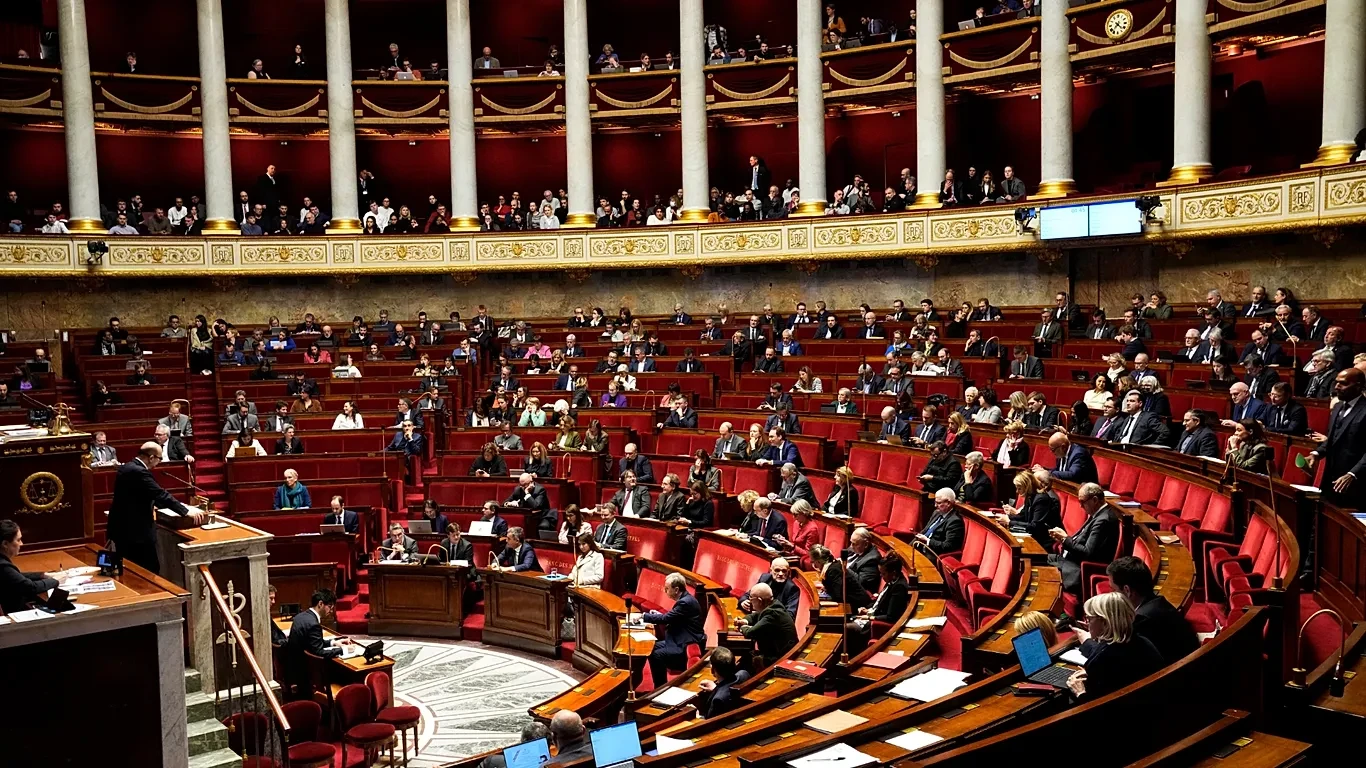
After months of debate and parliamentary procedures, lawmakers voted on the bill on the “right to assistance in dying,” or euthanasia, Euronews reports. The text has sparked sharp divisions, including within the government.
This is one of the key promises of Emmanuel Macron’s second presidential term, and the head of state himself presented it as a “French model for end-of-life care.”
After several months of debate and repeated consideration of the text by both houses of parliament, lawmakers on Wednesday evening delivered their verdict on the bill introducing the “right to assistance in dying” (or euthanasia) during the fourth and final vote.
No particular suspense was expected in the chamber: at the start of the debate, several centrist factions gave no voting instructions to their members. The two far-right groups, the National Rally and the Union of the Right for the Republic, as well as The Republicans, announced that they would vote against. Left-wing lawmakers, primarily the Socialists, were expected to overwhelmingly support the text, as were Macron’s allies.
The parliamentary path of this reform proved especially long and contentious. The National Assembly passed the document three times, and at each reading it received a comfortable but shrinking majority. The Senate, where the right and centrists hold sway, rejected it three times.
The document introduces a new right to assisted suicide while strictly limiting the conditions for its use. Only adult French citizens suffering from a life-threatening “serious and incurable illness at an advanced or terminal stage” causing “constant physical or psychological suffering” that is “untreatable or unbearable” will be eligible to use it.
The criterion of the patient’s expected life expectancy, which had been included in the original version of the bill, was removed. Many doctors, as well as the High Health Authority, stressed that it is practically impossible to accurately assess how much time a patient has left to live.