make preferable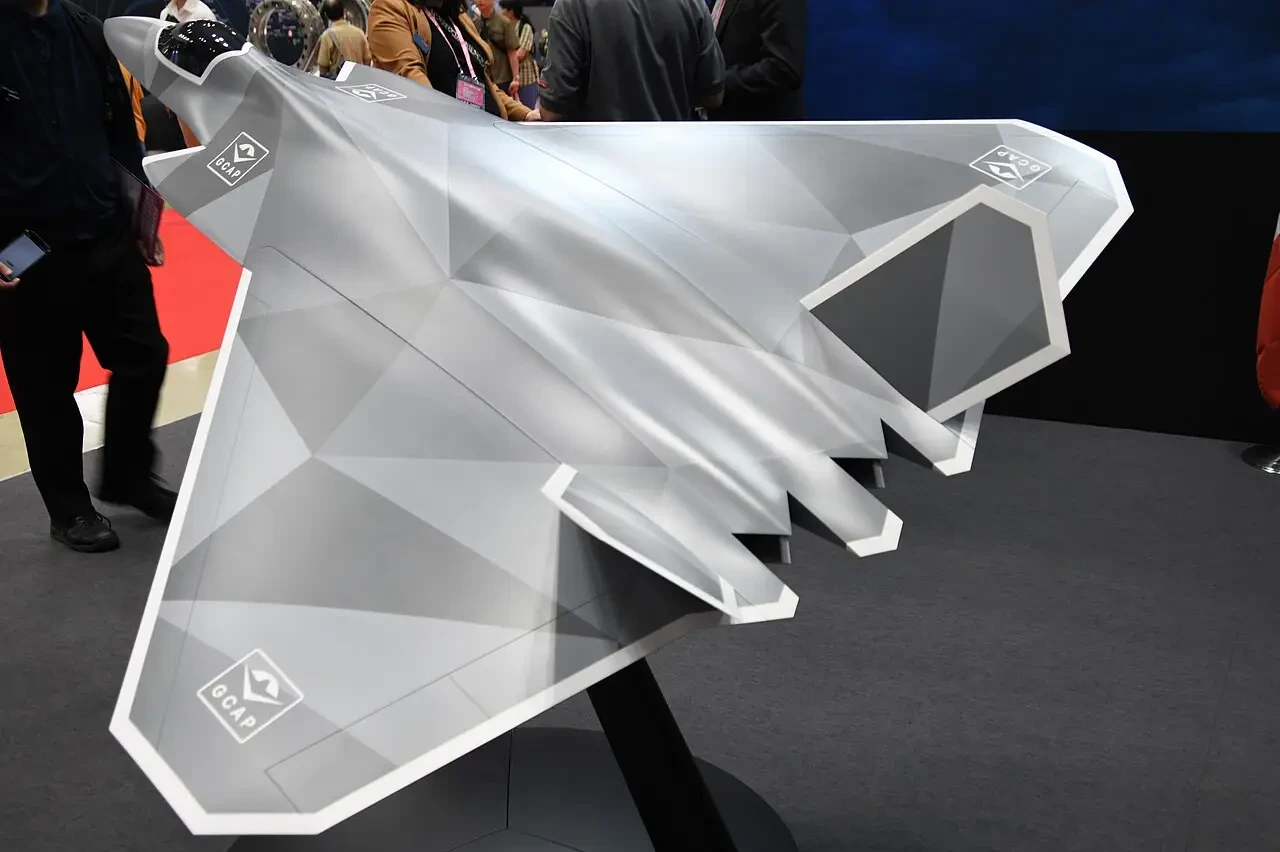
Plans to bring a new fighter jet into service under the international Global Combat Air Programme (GCAP) by 2035 will remain unchanged, even if another country joins the UK-Italy-Japan project, the chief executive of the joint venture developing the aircraft said on Monday.
Observers have increasingly speculated about a possible expansion of the three-member group after a rival French-German fighter jet program collapsed in June. That destabilized European defense alliances and raised concerns about potential project delays.
Canada has already reached an agreement to obtain observer status in the program, a source told Reuters last week, with an official announcement expected on Tuesday. This initial step does not require any financial commitments from Ottawa.
Marco Zoff, chief executive of Edgewing, the joint venture responsible for developing the aircraft, told reporters at the Farnborough Airshow that the possible arrival of new partners would not shift the work schedule.
"There is such pressure from our three governments, and such clear direction to stay within tight boundaries, that I think we will find a way to adapt [...], without jeopardizing the overall timeline," he emphasized.
Japan, which views China’s military expansion as a threat to its security, is particularly concerned about keeping 2035 as the target date, as that is when the country plans to begin retiring its F-2 fighter jets.
Speaking on Monday at the Farnborough Airshow, Japanese Defense Minister Shinjiro Koizumi stressed the importance of partnerships, though he did not directly address the issue of scheduling.
Edgewing, which is developing the stealth sixth-generation GCAP fighter jet, is jointly owned by BAE Systems, Leonardo, and Japan Aircraft Industrial Enhancement. Earlier in July, it received a £4.6 billion ($6.19 billion) contract from the governments of the United Kingdom, Italy, and Japan.