make preferable
By Arus Bakunts, Sofi Elizbaryan
In the heart of Urumqi, China, not far from the Xinjiang International Grand Bazaar, lies the southern microdistrict of Yuejingze, one of the examples of how the urban environment of modern China is changing. Just a few years ago, the construction here was old, but today a new residential community has formed, uniting people of different nationalities and professions.
Yuejingze is located in the Heijiashan subdistrict of the Tianshan District of Urumqi and occupies an area of about 0.1 square kilometers. It is home to 1,479 families, more than 4,100 people. The population is distinguished by its multi-ethnic composition: among the residents there are Khans, Uyghurs, Huis, Kazakhs, and members of some other ethnic groups. This diversity has become one of the characteristic features of this microdistrict.
The emergence of Yuejingze is directly related to a large-scale plan of urban renewal. In 2010, the Urumqi authorities began the reconstruction of old neighborhoods, and Heijiashan became one of the first areas where the transformation began. Instead of shabby apartments, modern apartment buildings were built, well-groomed courtyards, engineering infrastructure, and public spaces were created.
However, many families who moved here had previously lived in rural or low-rise buildings, so they had to adapt to life in an apartment building, new neighborhood rules, and an urban rhythm. In addition, local government bodies were faced with the issues of employment of the population, organizing of public life, maintenance of the housing stock, and creation of a system of effective interaction between residents and the administration.
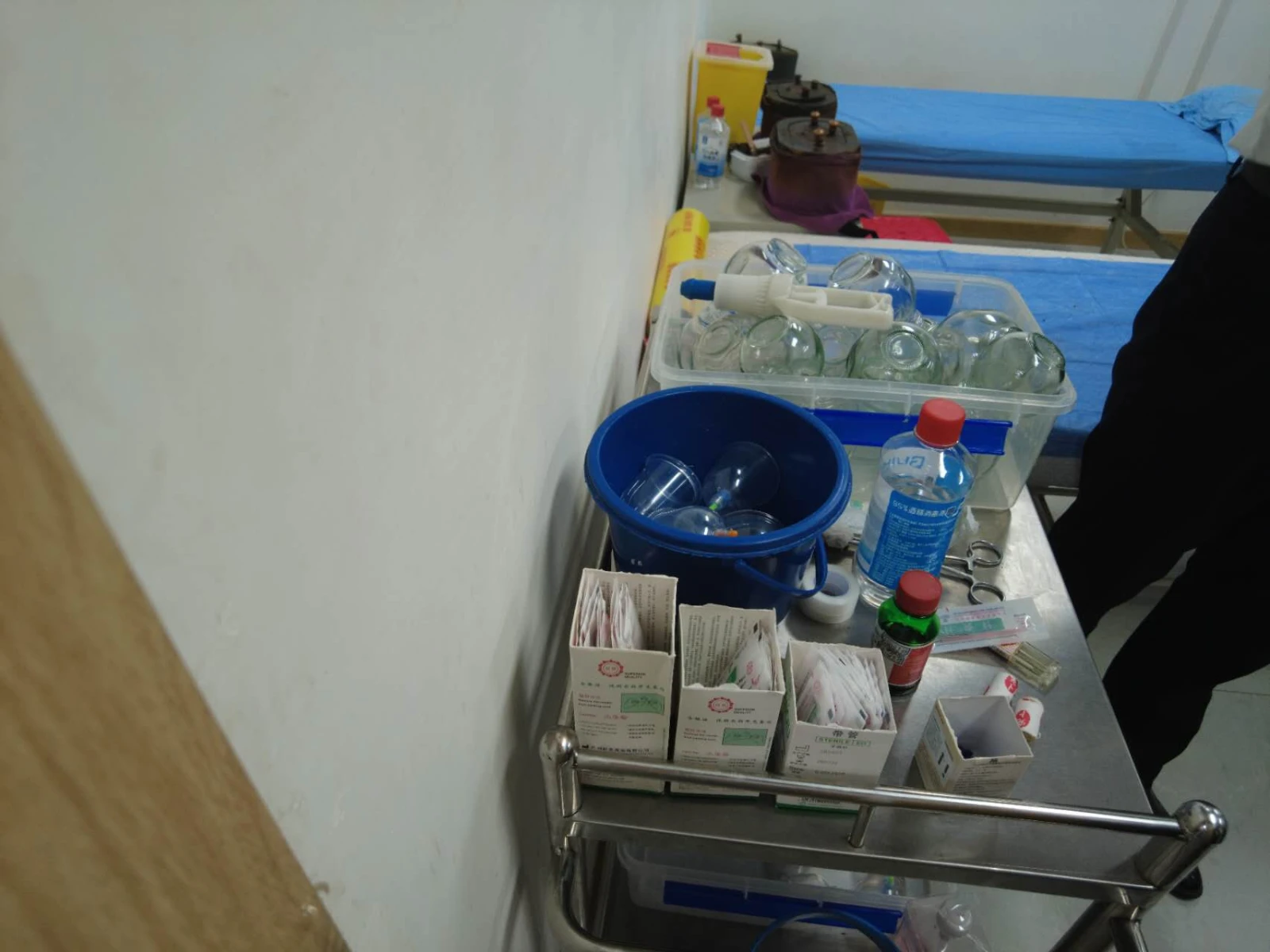
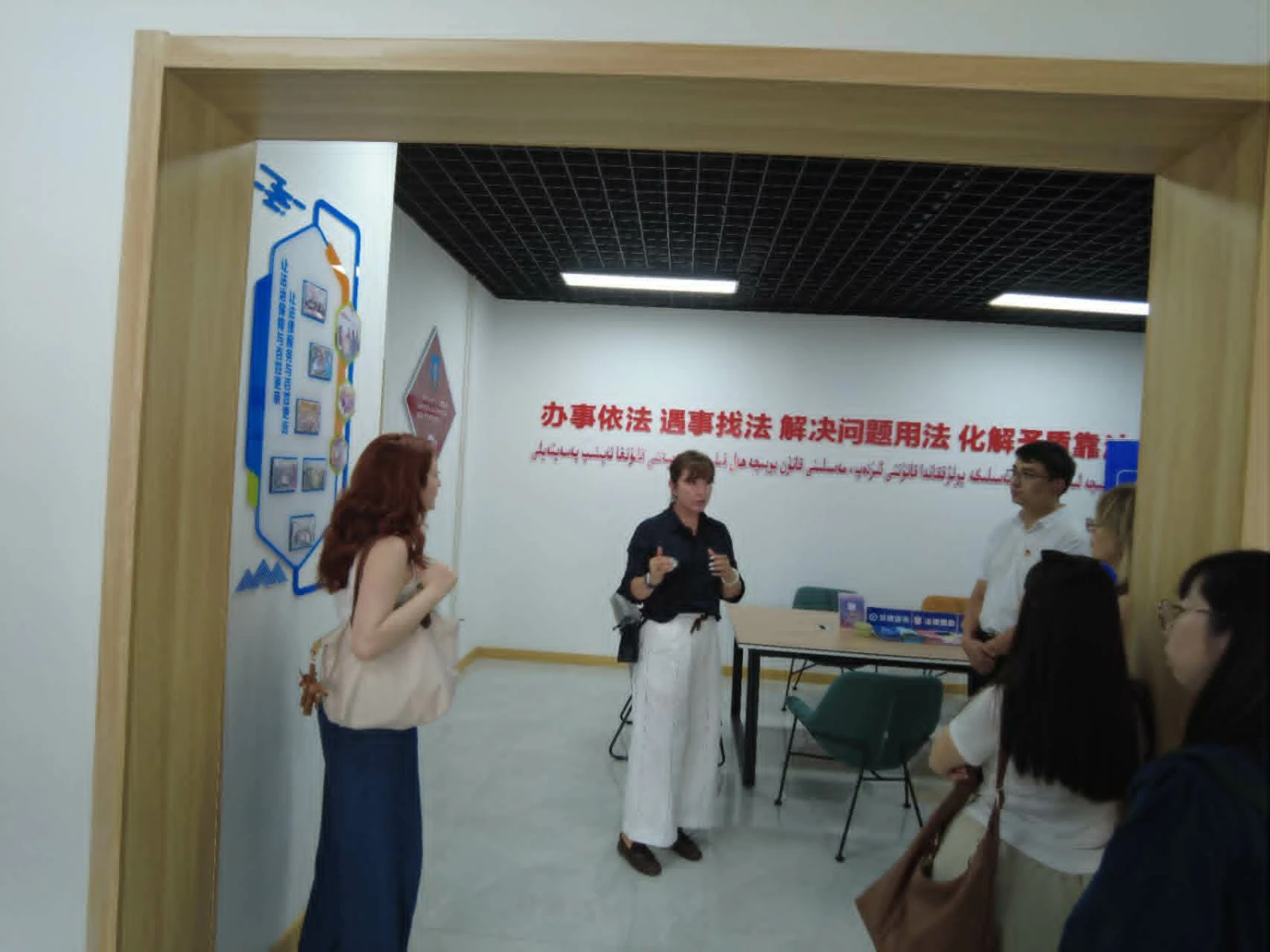
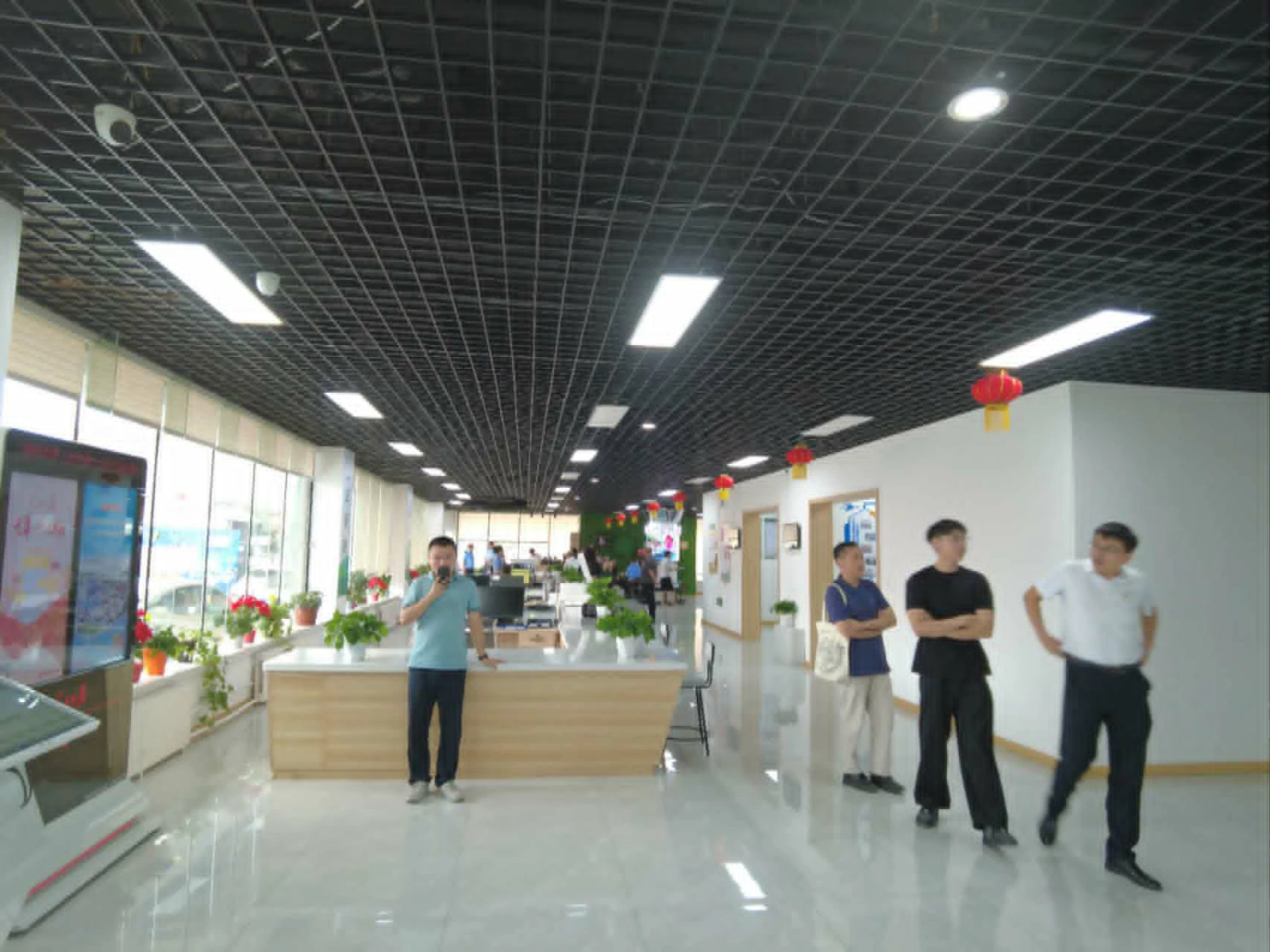
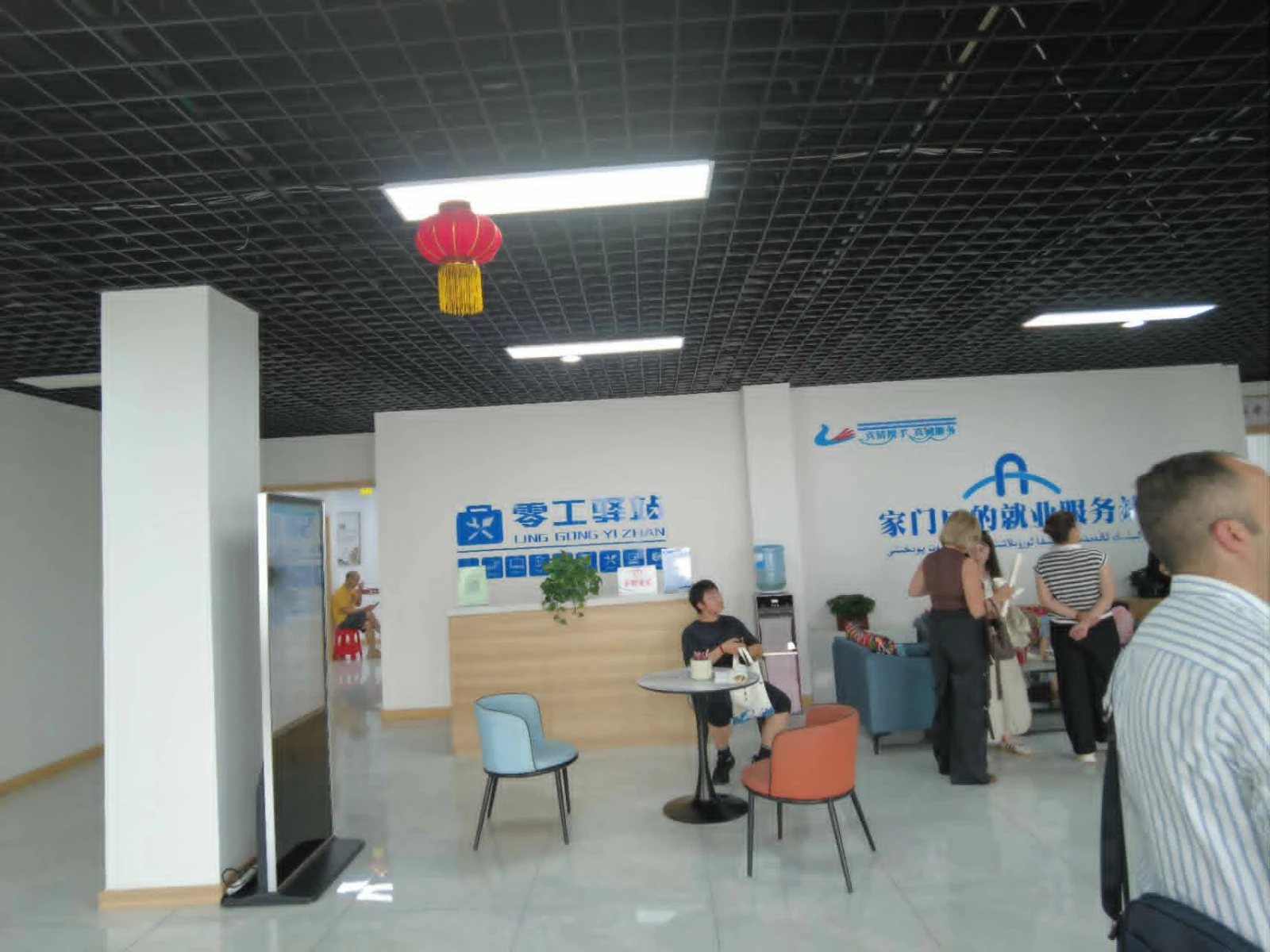
Today, a significant part of this work is concentrated in the unified population service center. It is here that residents apply for social payments, registration, utility services, and other household issues.
At the same time, the management model is structured in such a way that most issues are resolved not in offices, but directly in people’s places of residence. Some employees work in microdistricts every day, maintaining constant contact with residents and promptly responding to emerging issues. This approach allows for faster identification of problems and decision-making without lengthy administrative procedures.
Much attention is paid in Yuejingze to conflict prevention. There is a volunteer mediation group here, which includes experienced members of the Communist Party of China and influential residents of different nationalities.
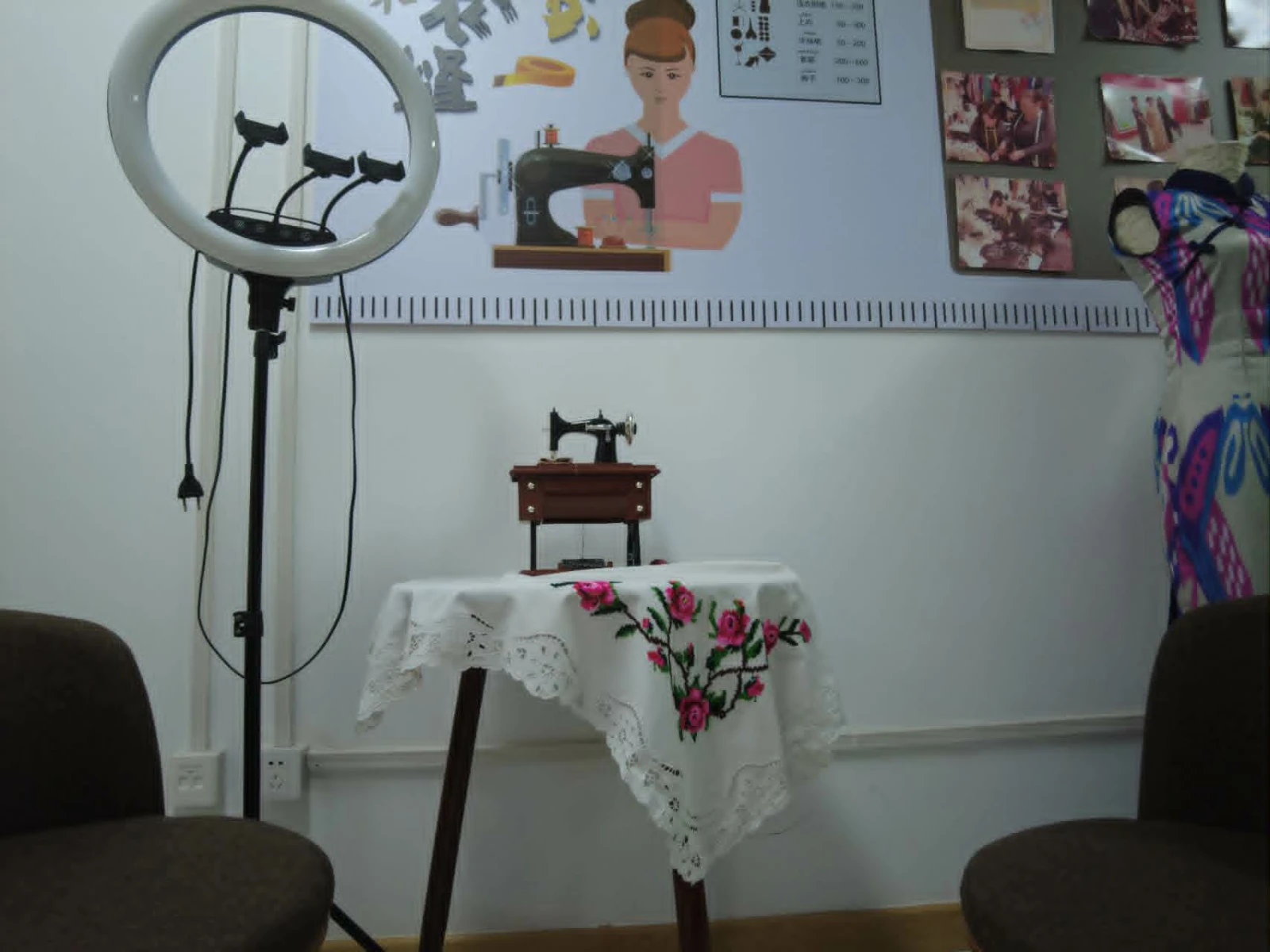
Their task is to help the parties find a compromise before a domestic dispute turns into a serious conflict. Volunteers participate in the settlement of disagreements within neighbors and families, and also help resolve issues between residents and management companies.
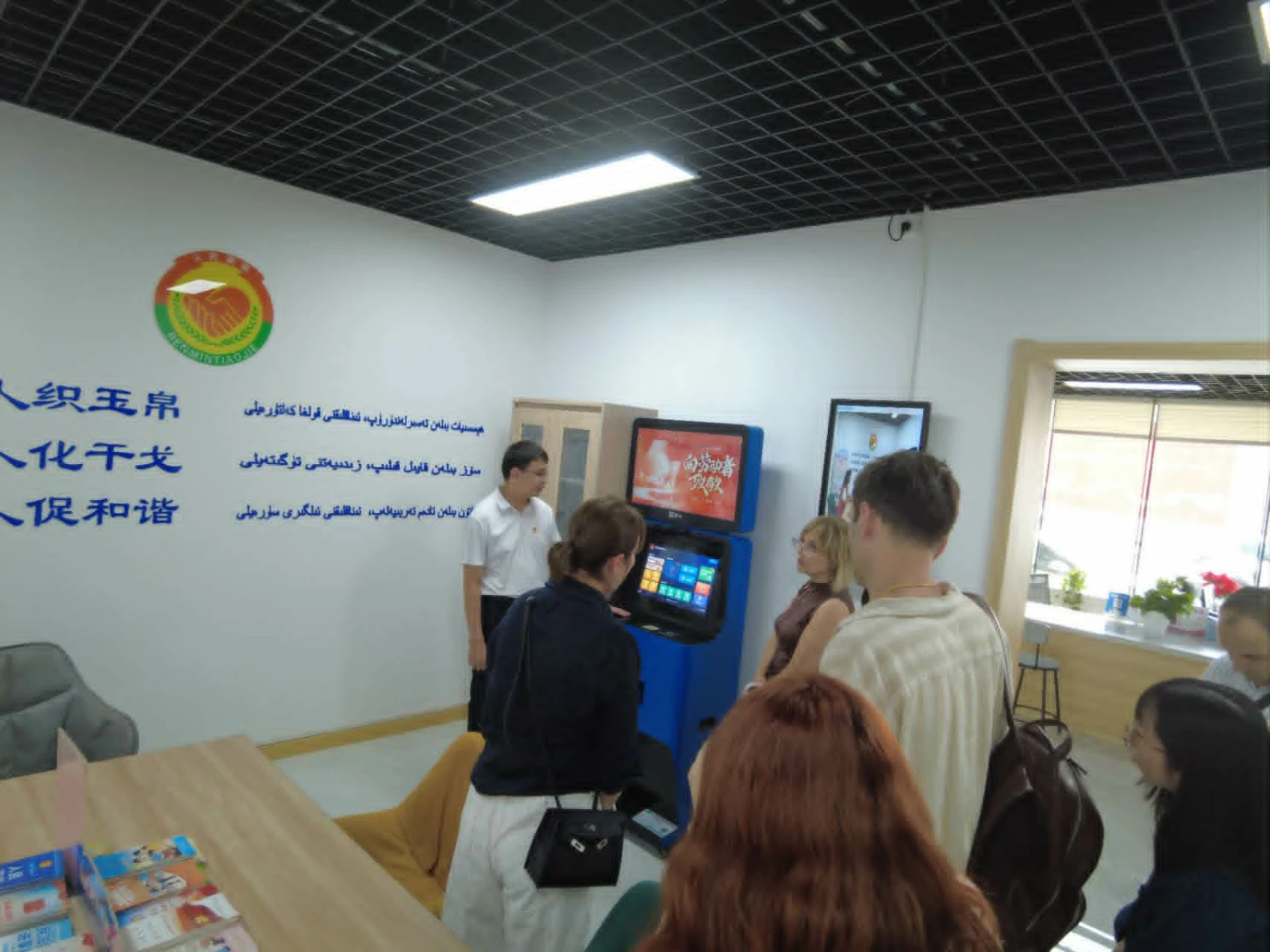
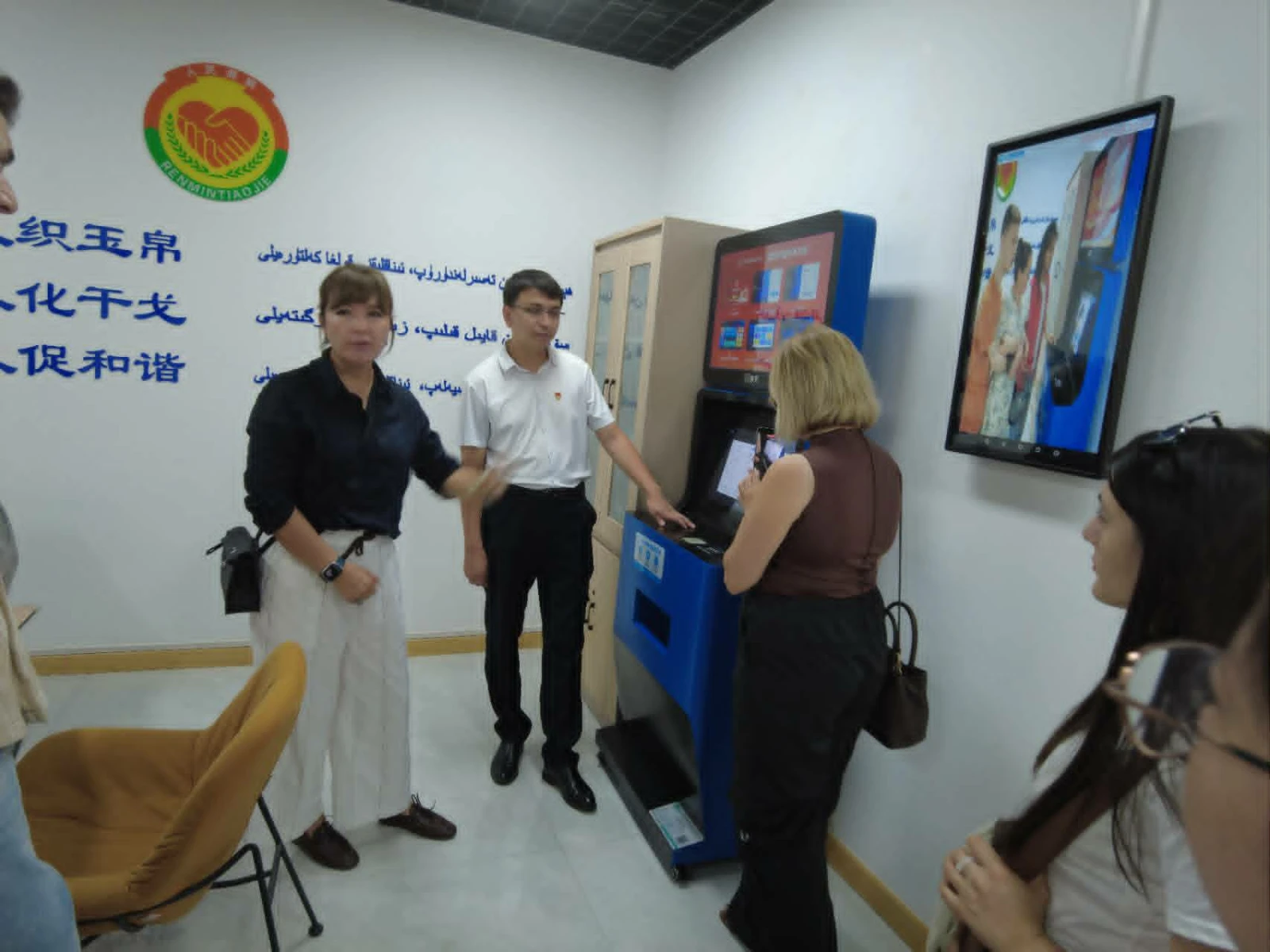
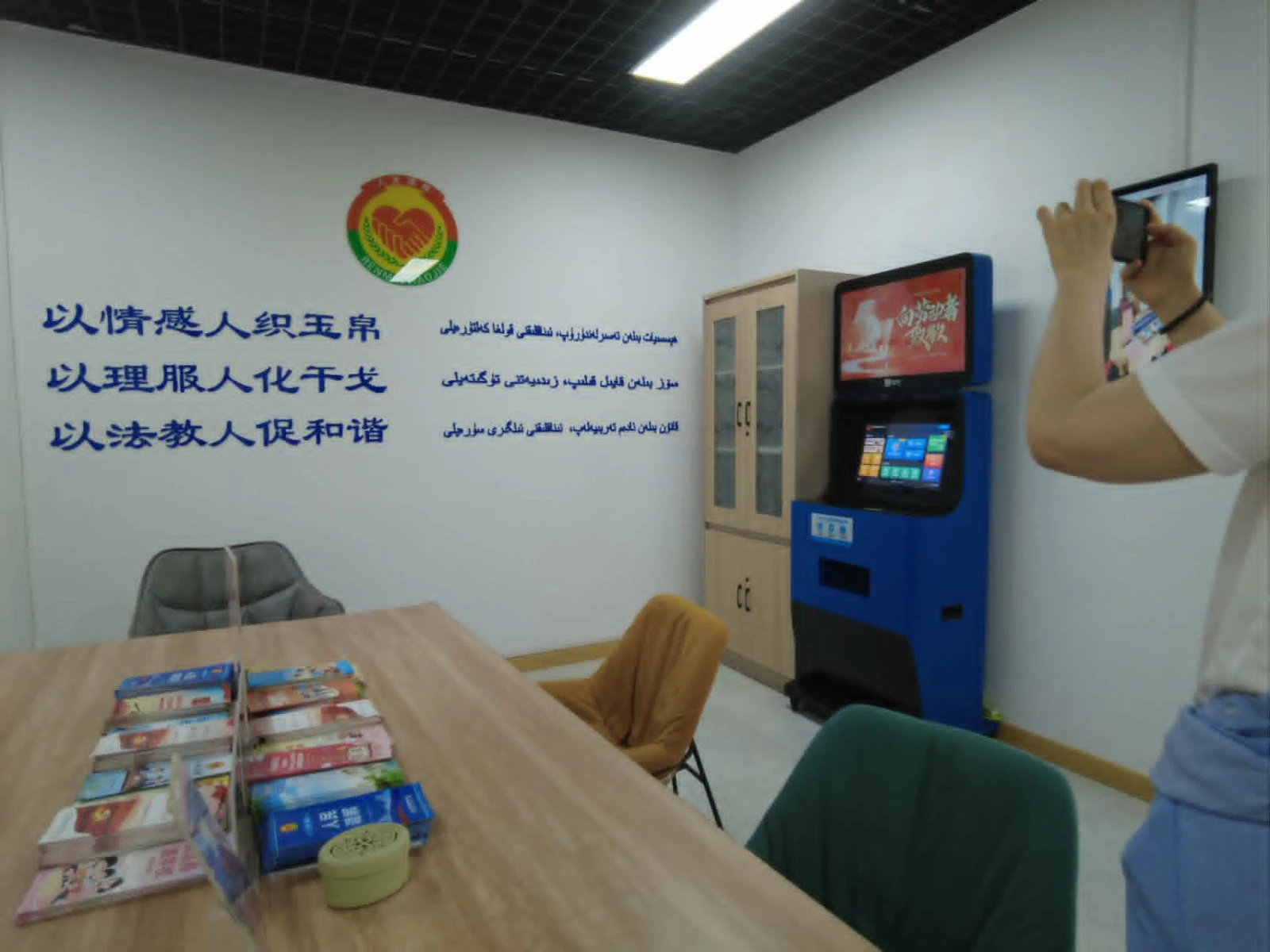
As the district develops, the range of issues is expanding. The growth of the number of entrepreneurs, public organizations, and the mobile population leads to the emergence of more complex legal situations. To this end, a public legal services office has been opened in the microdistrict, where residents can receive free legal advice, use legal assistance, or try to resolve a dispute out of court.
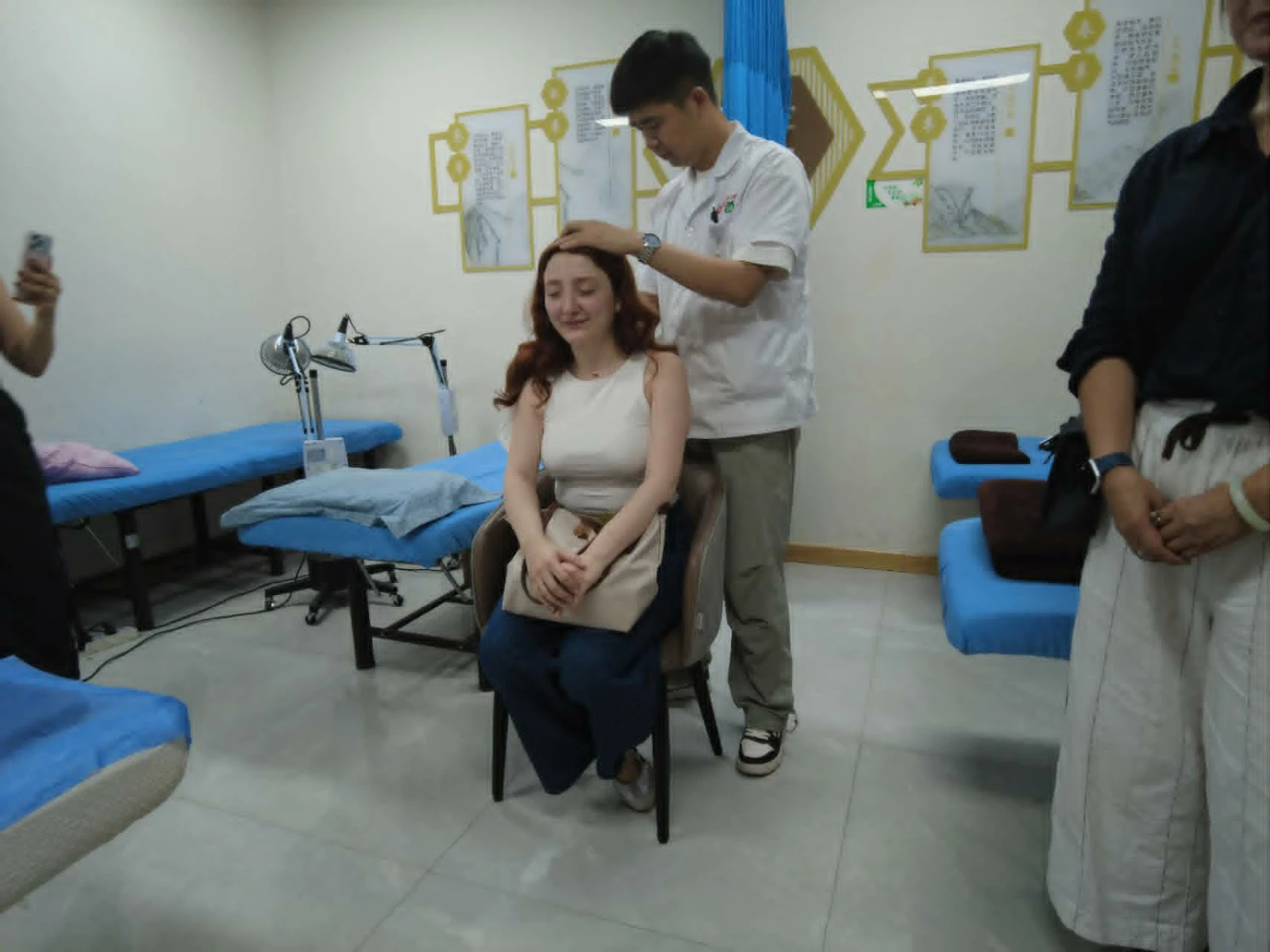
This system is complemented by the Internet+ smart terminal, which is connected to the nationwide network, which unites more than 45 thousand lawyers. Through it, free online consultations on various legal issues are available around the clock.
Almost 40 percent of Yuejingze residents are people who came to Urumqi from other regions of Xinjiang. For many, the move is associated with the opportunity to find a job and improve their standard of living.
Therefore, employment support has become one of the key areas of activity of the local community. Here, they help to obtain information about job vacancies, organize interaction with employers, and accompany new residents in the process of adapting to urban life.
A territory for all generations
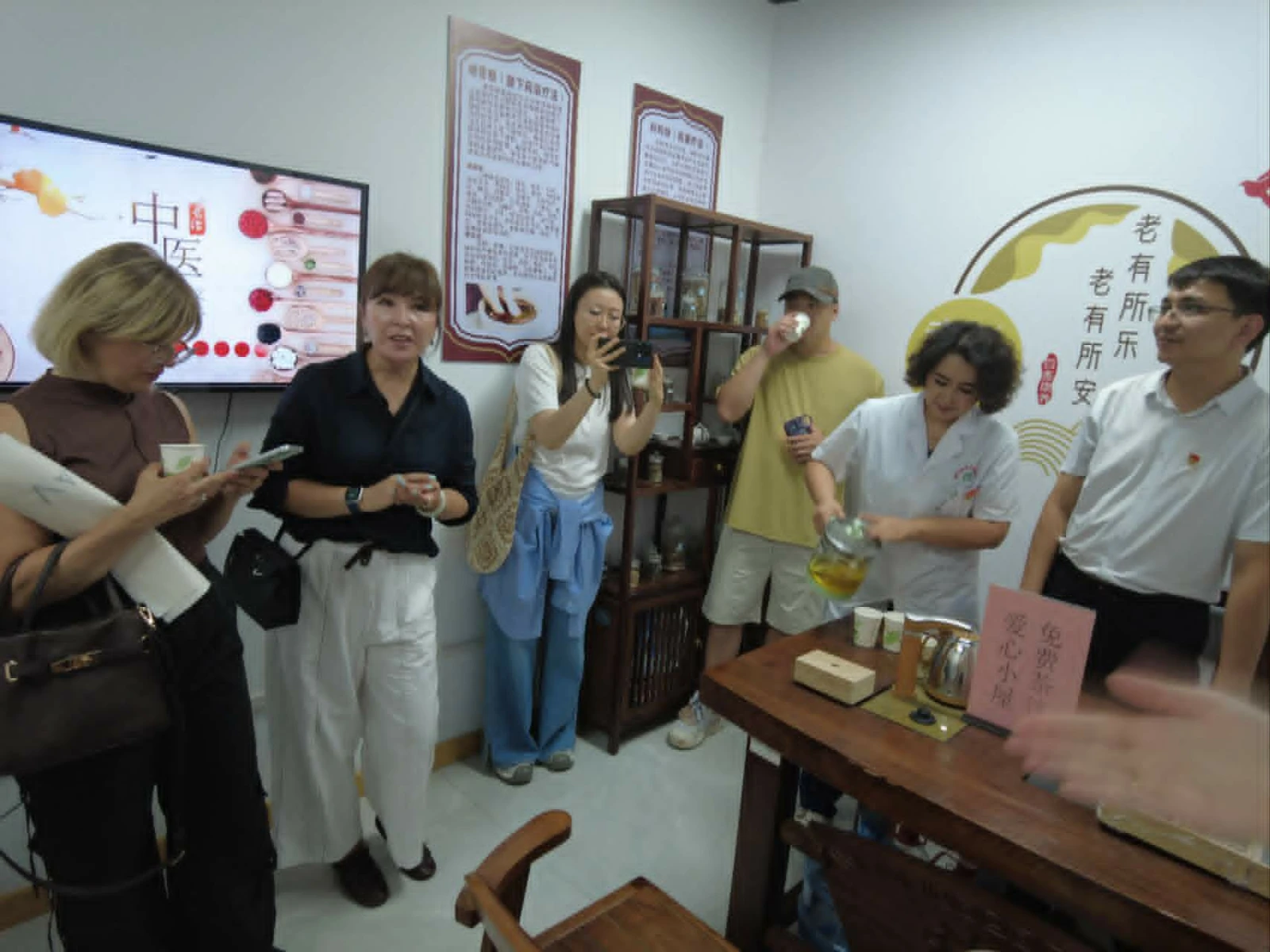
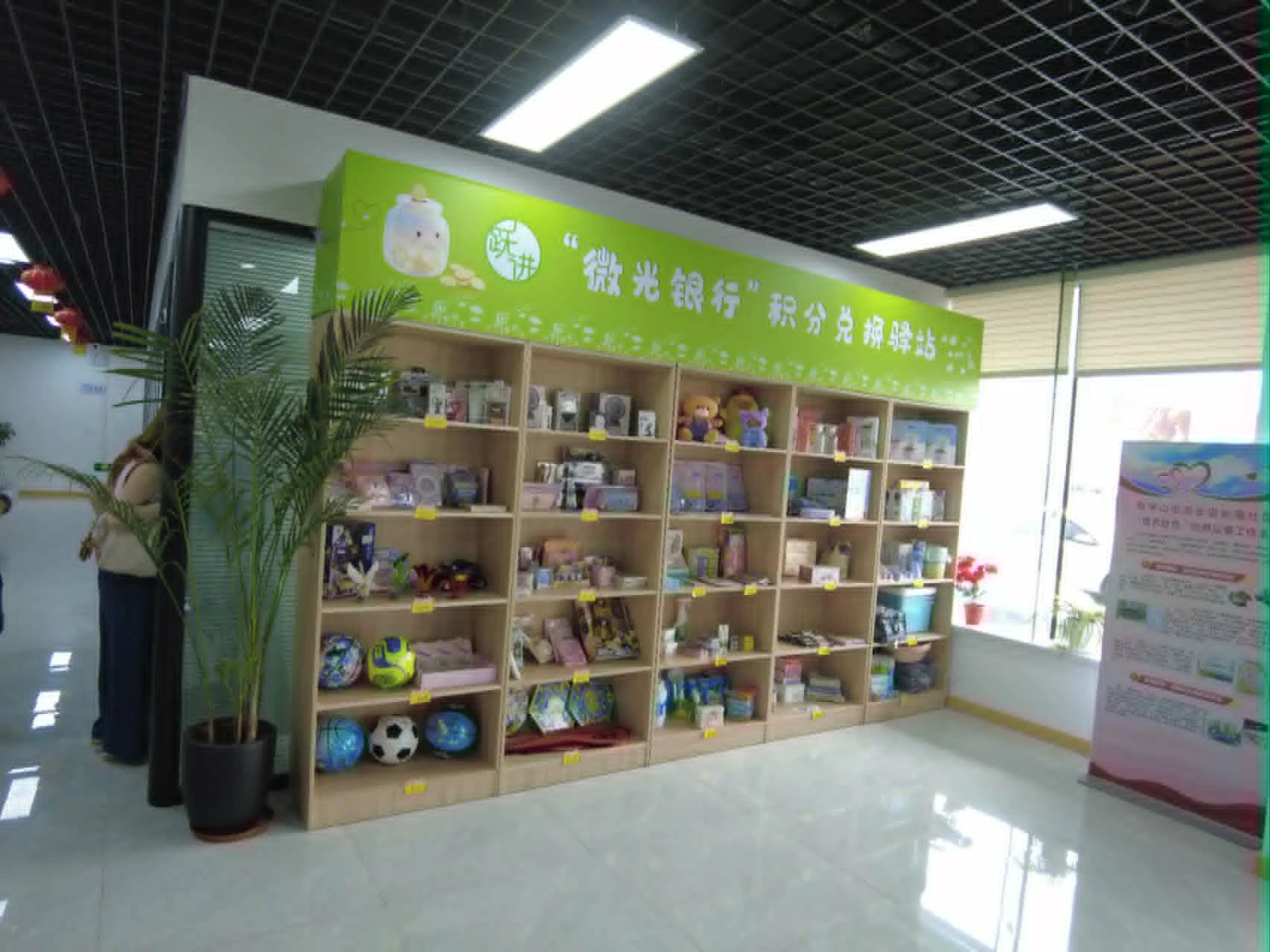
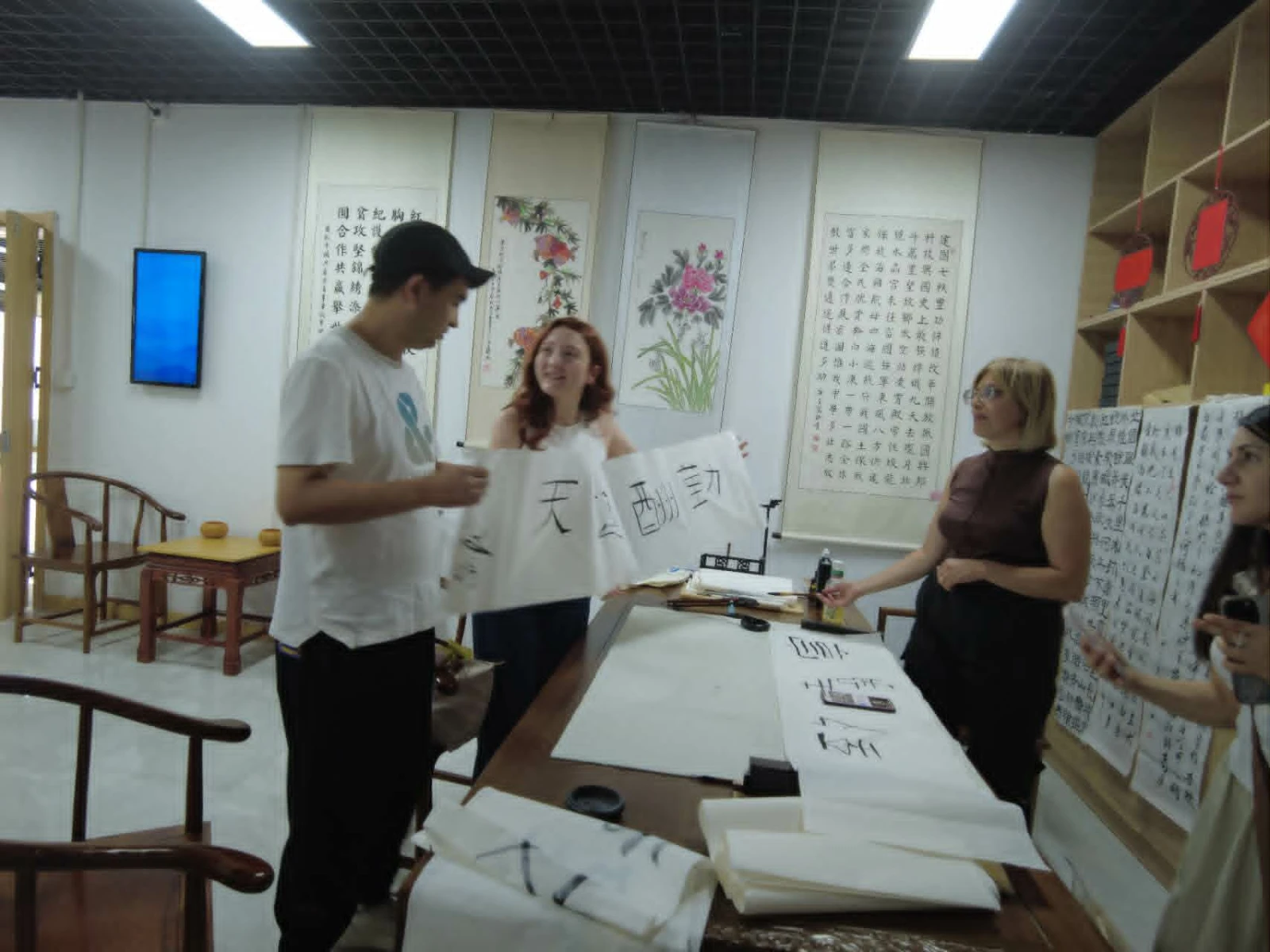
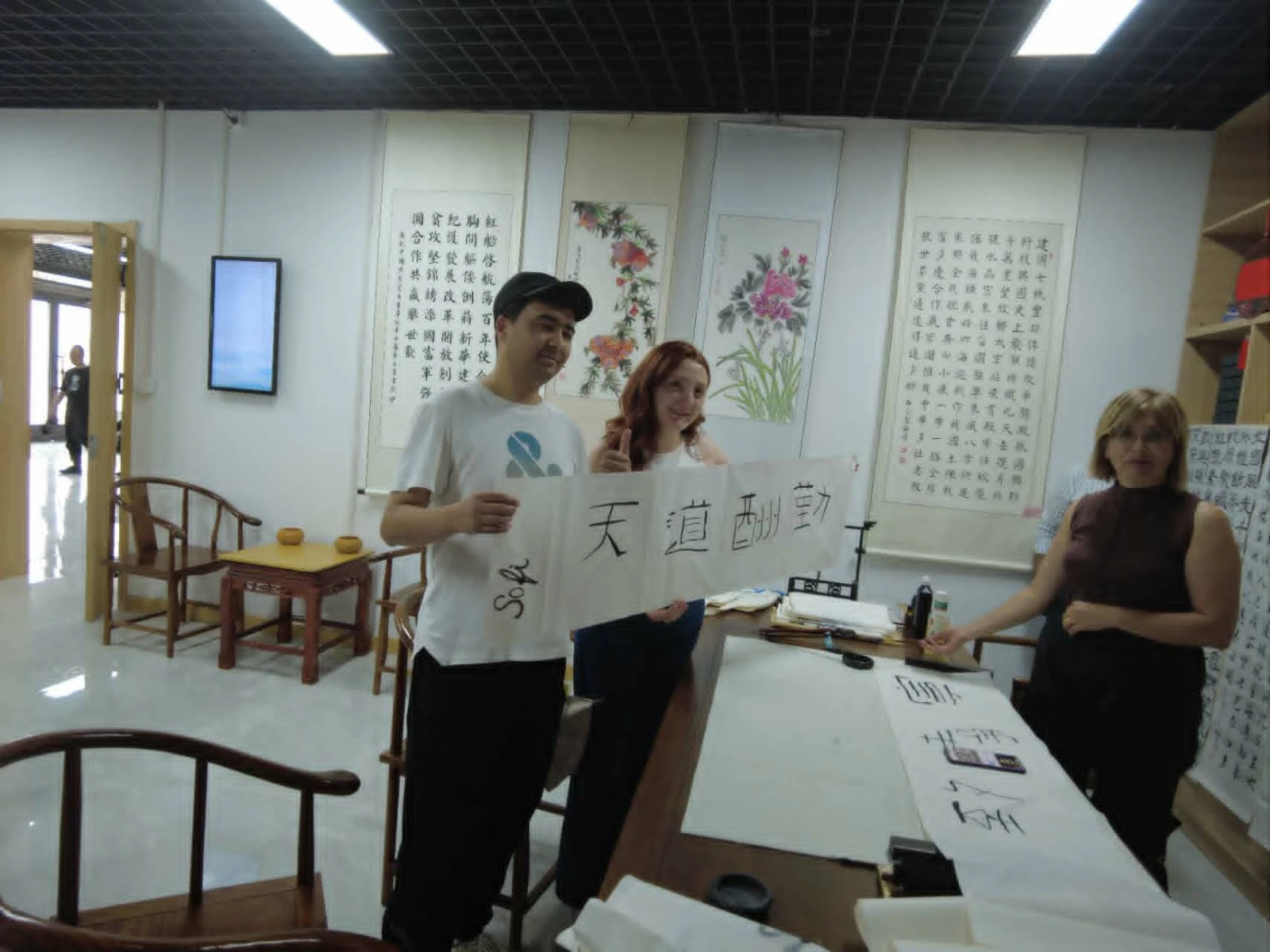
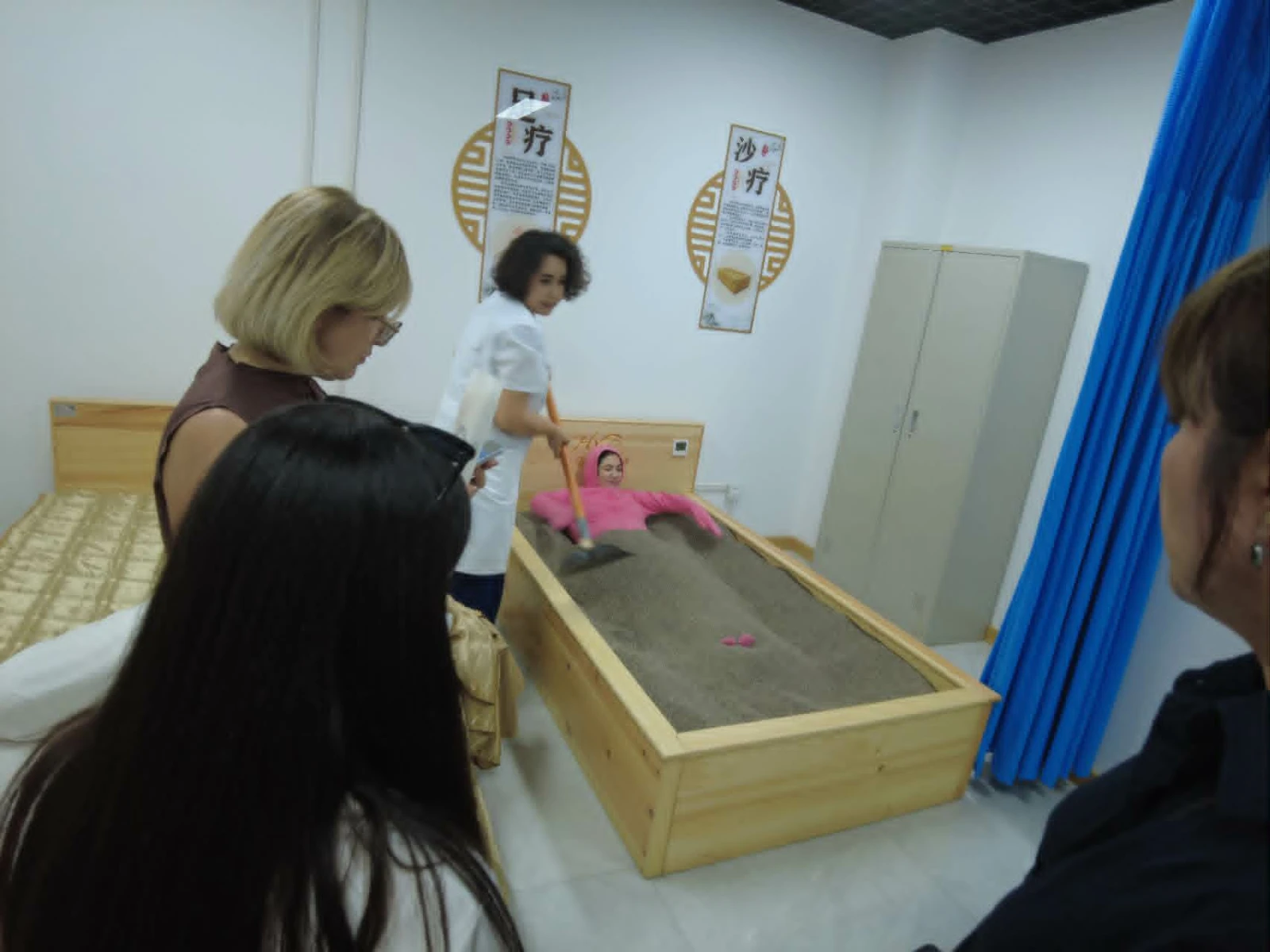
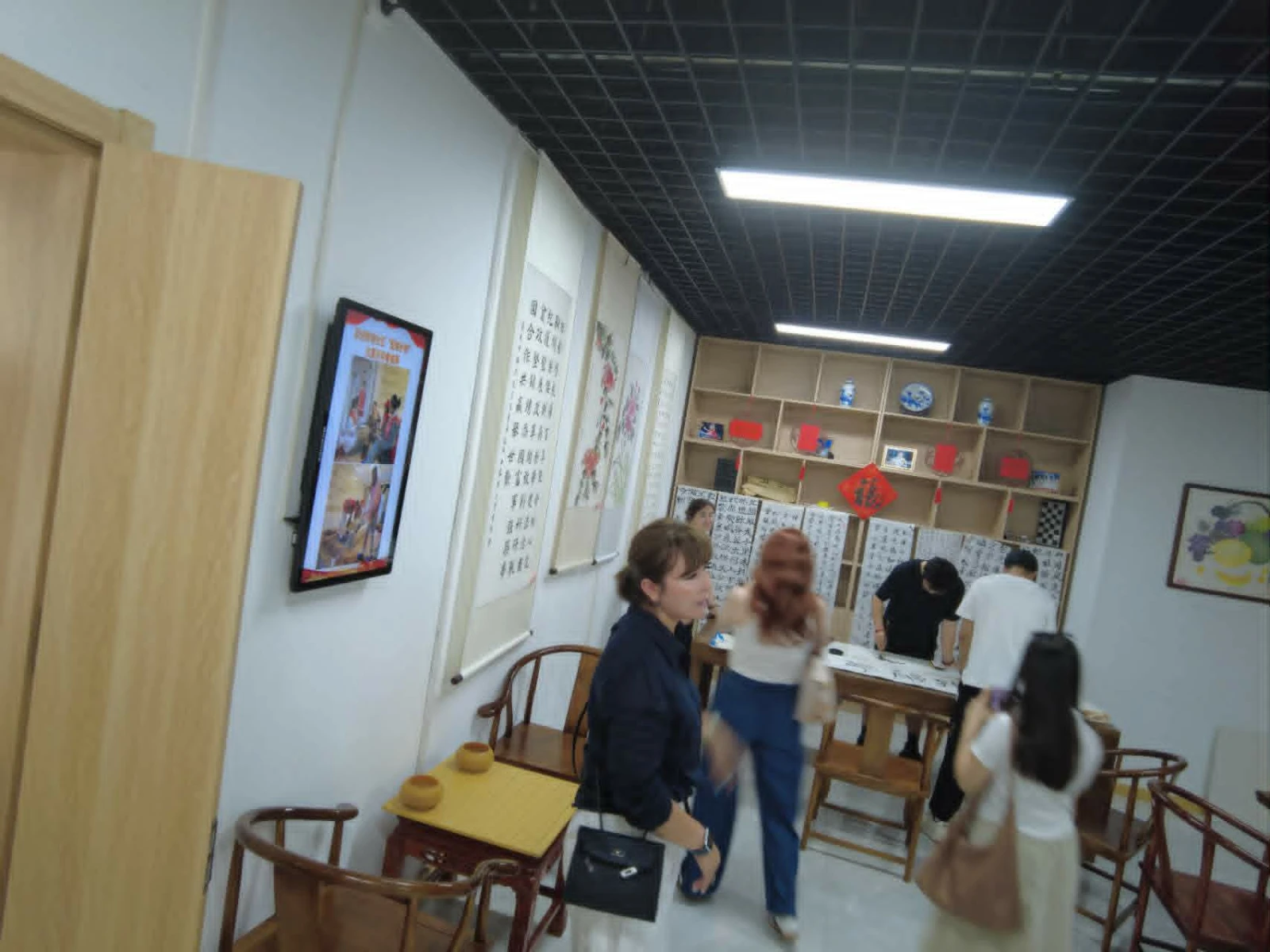
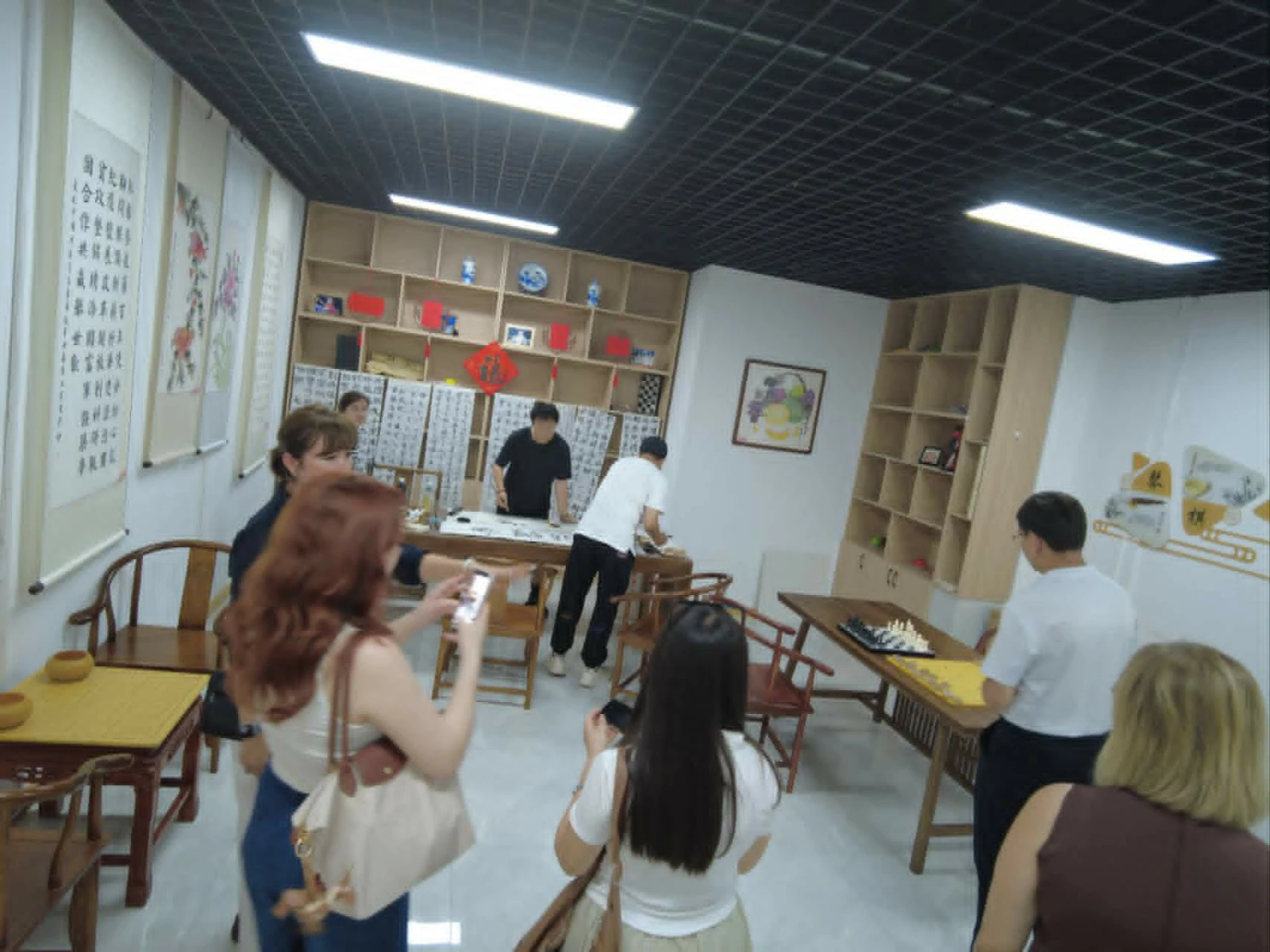
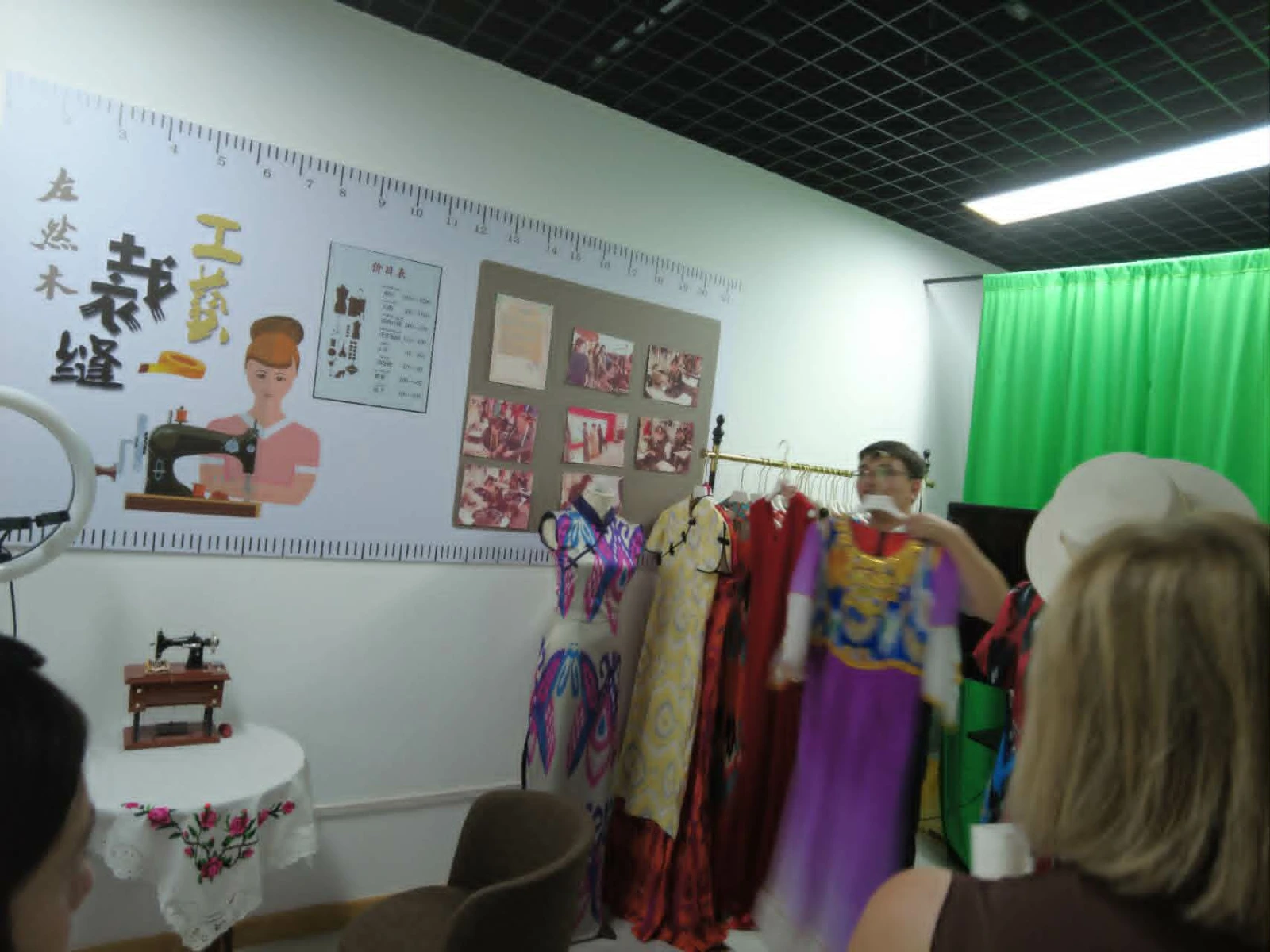
The social infrastructure of the district is designed for residents of different ages. For children and young people, there is a development center where calligraphy, painting, music, and chess classes are open. For the elderly, there is the Baishan daycare and rehabilitation center, while the Zuozhanmu live broadcast studio has become a platform for mastering modern digital technologies and creative projects. The combination of these educational, cultural, and social platforms makes it possible to form an active public life within the microdistrict.
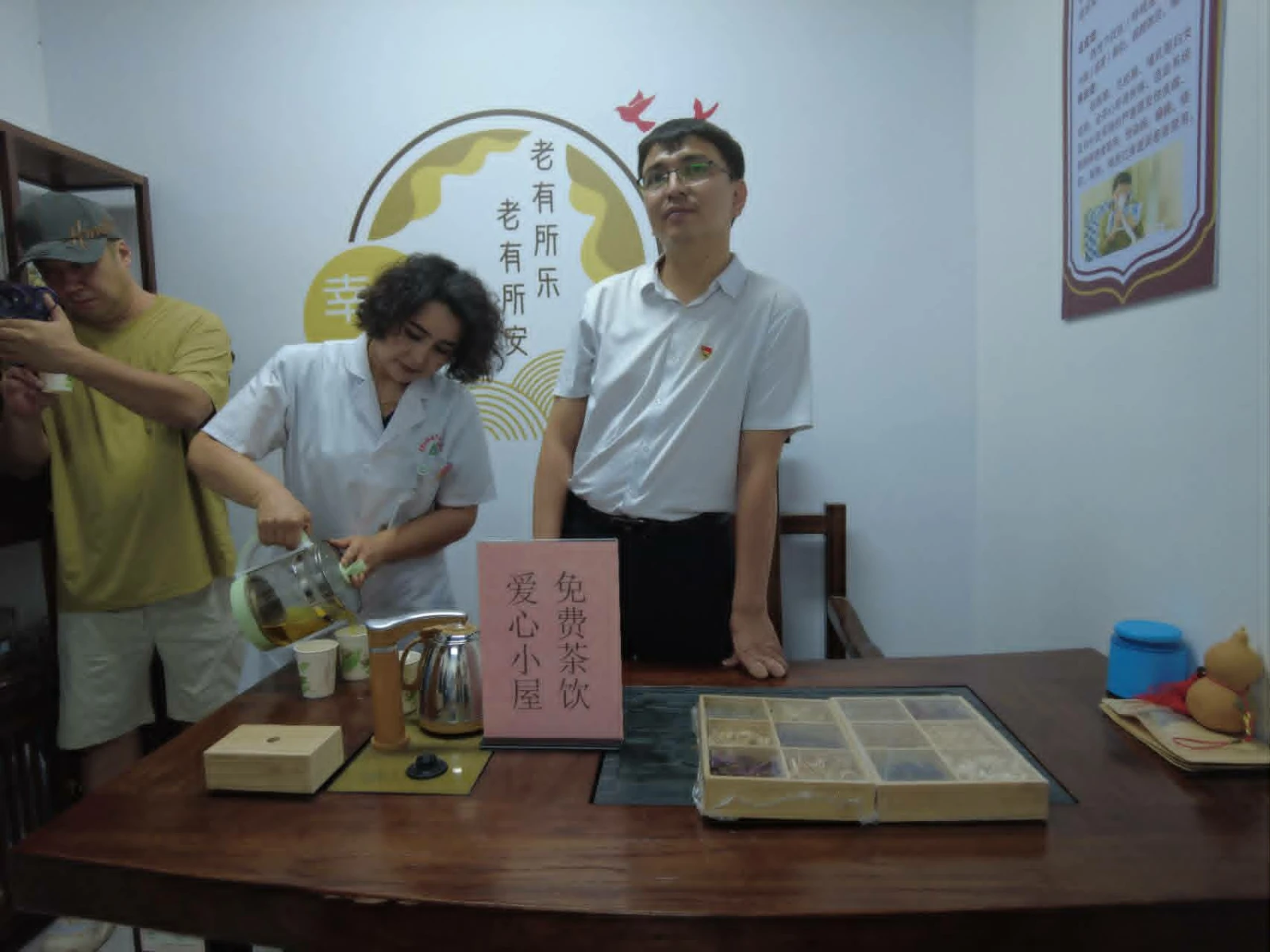
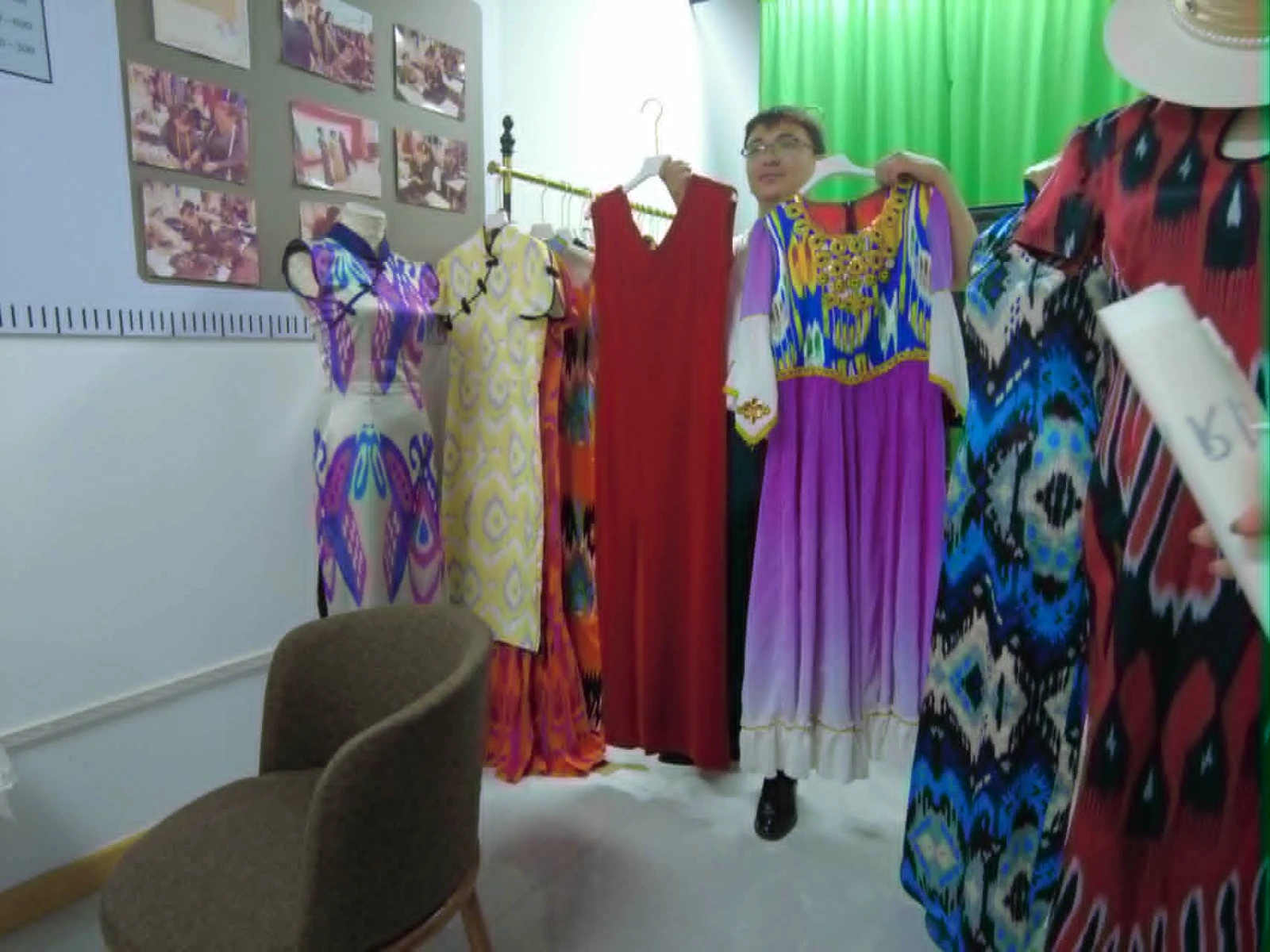
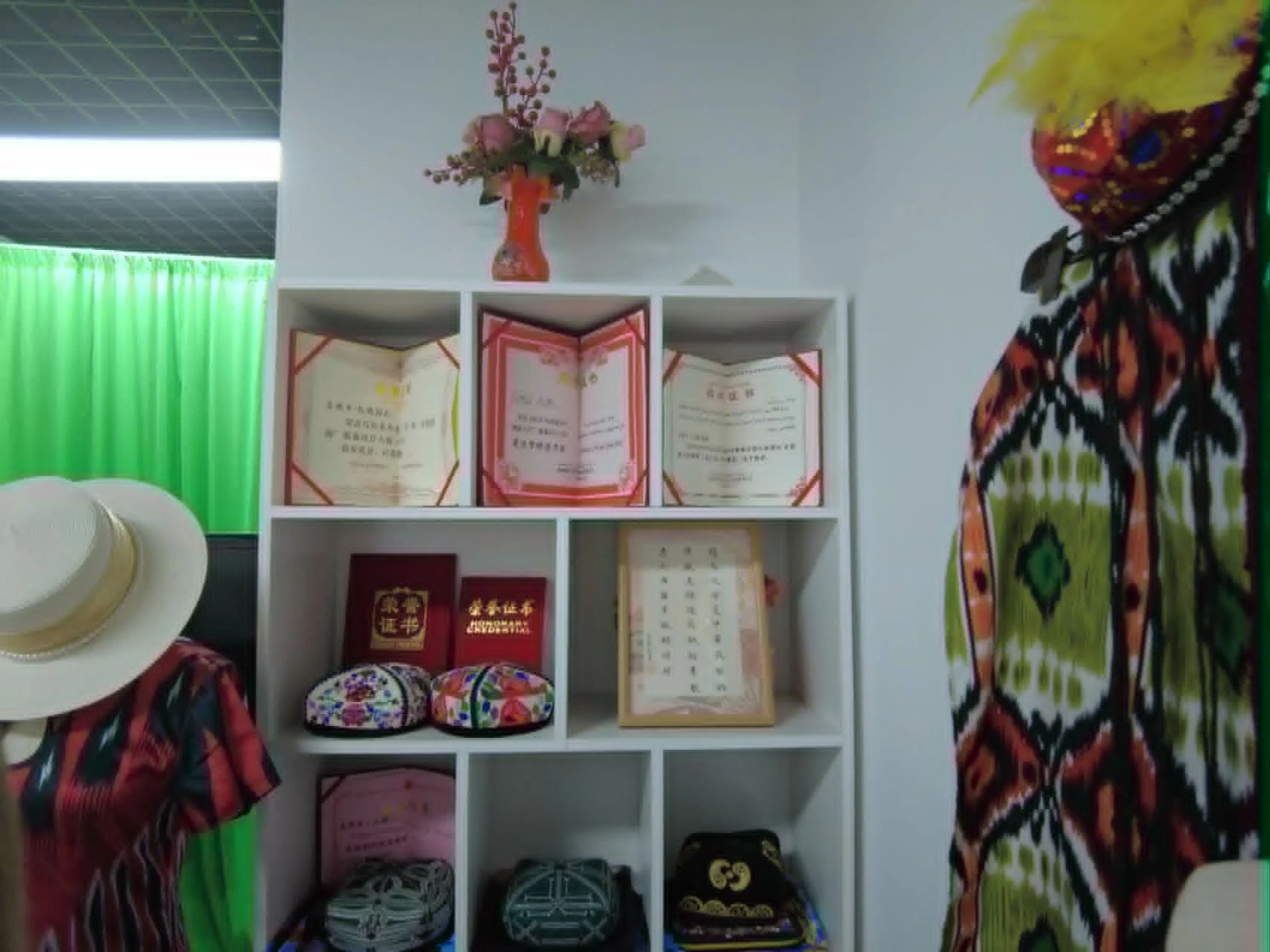
Particular attention is paid to the development of interethnic contacts. Cultural events, creative meetings, and celebrations are regularly held in the district. For several years now, traditional Chinese and state holidays have been celebrated here, in which residents of different nationalities participate.
During his visit to Urumqi on July 13, 2022, Xi Jinping, General Secretary of the Central Committee of the Communist Party of China, met with the residents of the Tianshan District, emphasized the importance of developing local communities, and stressed the importance of strengthening cultural identity as a basis for mutual understanding and unity among representatives of different peoples.
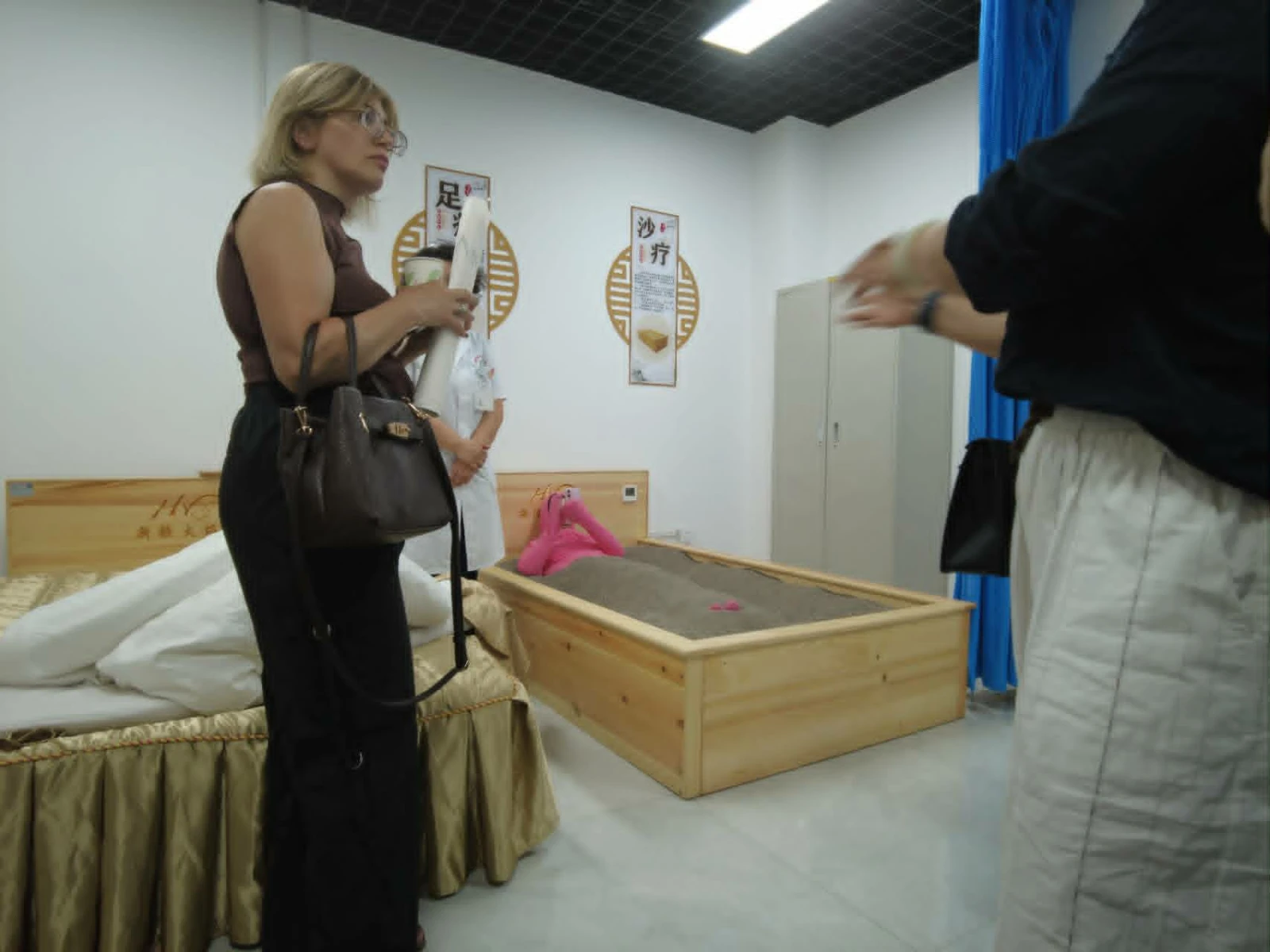
Today, Yuejingze continues to be an example of how urban reconstruction means much more than just building new houses. Modern infrastructure, a system of public services, legal support, and cultural life are being developed here at the same time. As a result, not just a new residential district is being formed, but a full-fledged urban community where attention is paid to both the quality of the urban environment and the interaction of people living side by side.