make preferable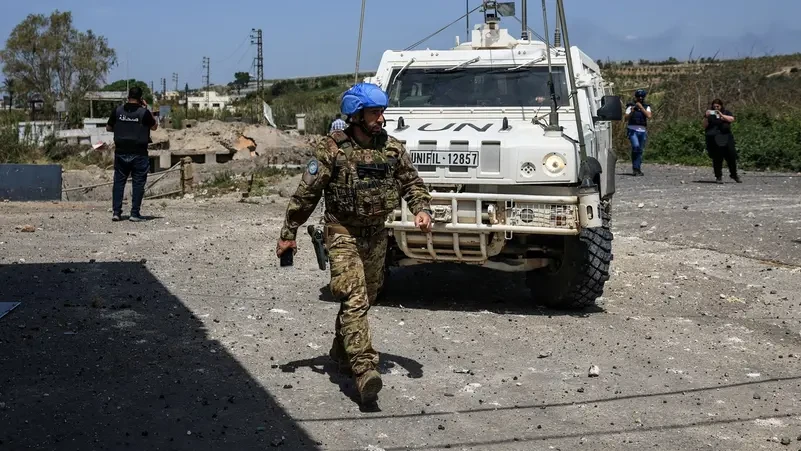
UN peacekeepers discovered about 4 tons of explosive materials, mainly ammonium nitrate-based, in the village of Houla in southern Lebanon, which is under Israeli control. This was reported on Tuesday by the United Nations Interim Force in Lebanon (UNIFIL), AFP reports.
According to the mission, on July 2, during a “routine route check” in the Houla area, peacekeepers found 385 containers in one of the buildings holding approximately 4,000 kilograms of explosive material, the main component of which was ammonium nitrate compounds.
UNIFIL specialists later carried out operations to neutralize the substance, making it safe and eliminating the threat it posed.
An AFP source familiar with the situation said on condition of anonymity that the containers bore Hebrew markings and were likely used for demolition work.
Houla is located in the border zone in southern Lebanon, which extends about 10 kilometers into the country along the border with Israel. Israeli troops, who entered the area during the latest conflict with Hezbollah, continue operations there and are warning residents not to return to their homes.
Tensions in the region rose sharply after the Iran-backed Hezbollah launched rocket strikes on Israel on March 2 in support of Tehran. In response, Israel carried out large-scale airstrikes and a ground operation in Lebanon.
Although the intensity of hostilities has declined after the conclusion of a US-Iran memorandum to end the regional conflict and a separate agreement between Lebanon and Israel, Lebanese authorities continue to report demolitions and the destruction of buildings in border towns and villages.
Lebanon’s state news agency reported that Israeli forces carried out demolitions in the Houla area four times in July alone. The village municipality had earlier condemned the destruction of residential homes, public buildings, and private property.
The discovery of ammonium nitrate caused particular alarm in Lebanon because of the tragedy at the Port of Beirut. On August 4, 2020, a warehouse containing a large stockpile of the substance, which had been stored for years in violation of safety regulations, exploded in the country’s capital.
As a result of the explosion, more than 220 people were killed, over 6,500 were injured, and a large part of Beirut was destroyed.