make preferable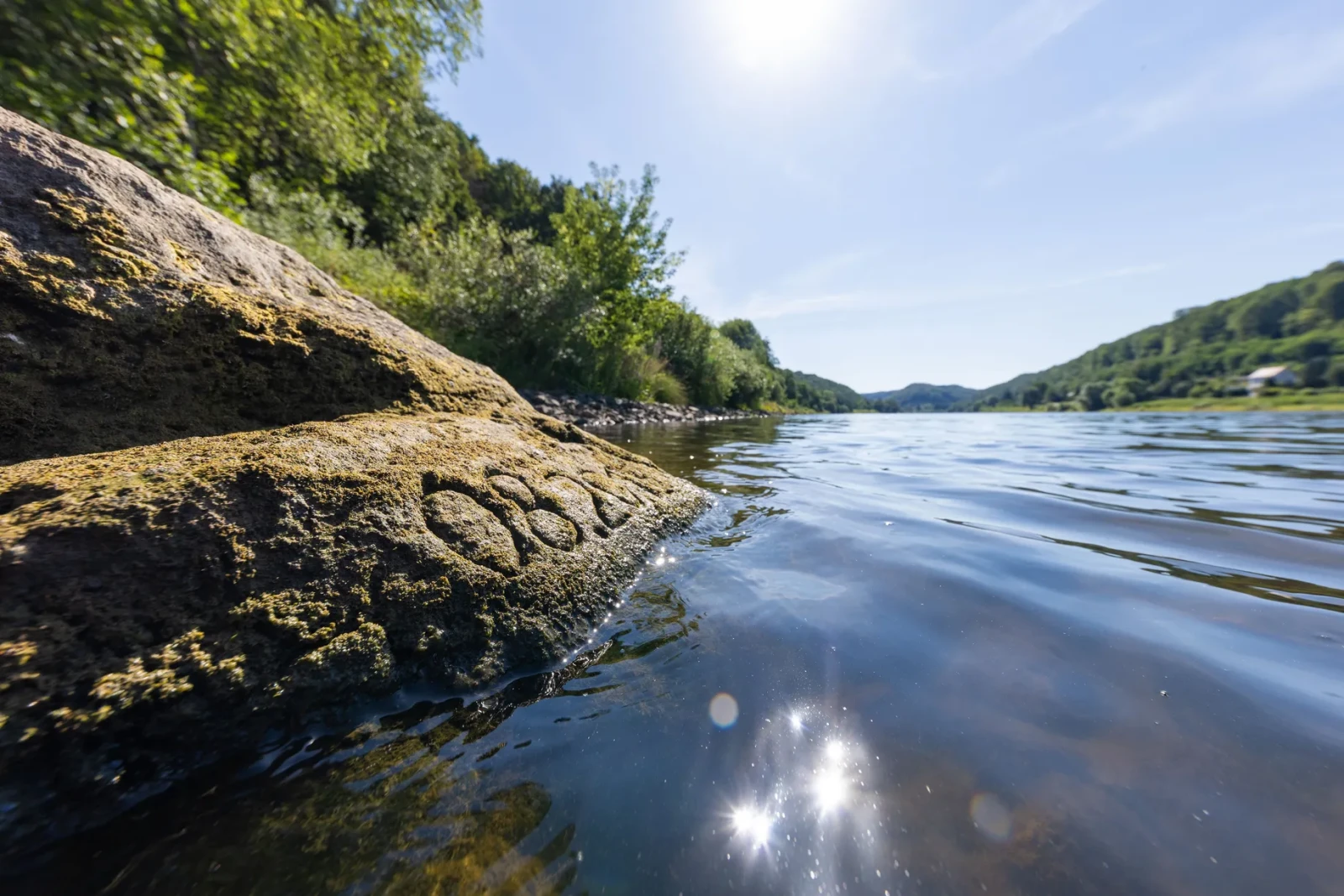
Due to the lack of rain, rivers in the German state of Saxony have become significantly shallower. So-called “hunger stones” have reappeared on the surface — stones on which residents of past centuries marked especially low water levels and the dates of drought years, Der Spegel reports.
One such stone is located on the Elbe near Pirna. More than 20 dates are carved into it, the oldest of which dates back to 1707. Another mark appeared relatively recently — in 2018, when the river’s water level also reached a historically low point.

According to the State Center for Flood Protection, the level of the Elbe in Pirna has for a long time remained below one meter, while in Dresden it is only 54 centimeters. Other rivers in the region have also become shallow, including the Mulde, White Elster, Spree, and Neisse.
The problem is not limited to Saxony. As Germany’s Environment Minister Carsten Schneider stated, over the past 25 years the country has lost about 60 billion cubic meters of water — roughly as much as Lake Constance contains. Among the reasons, he named increasingly frequent periods of drought, as well as a reduction in the soil’s ability to retain water due to land sealing with concrete, the straightening of river channels, and soil degradation.

Meanwhile, the nationwide low-water information service Niwis has begun operating in Germany. It makes it possible to monitor the situation in different regions of the country based on data from about 350 hydrological stations tracking surface water levels, as well as 230 monitoring stations observing groundwater reserves.