make preferable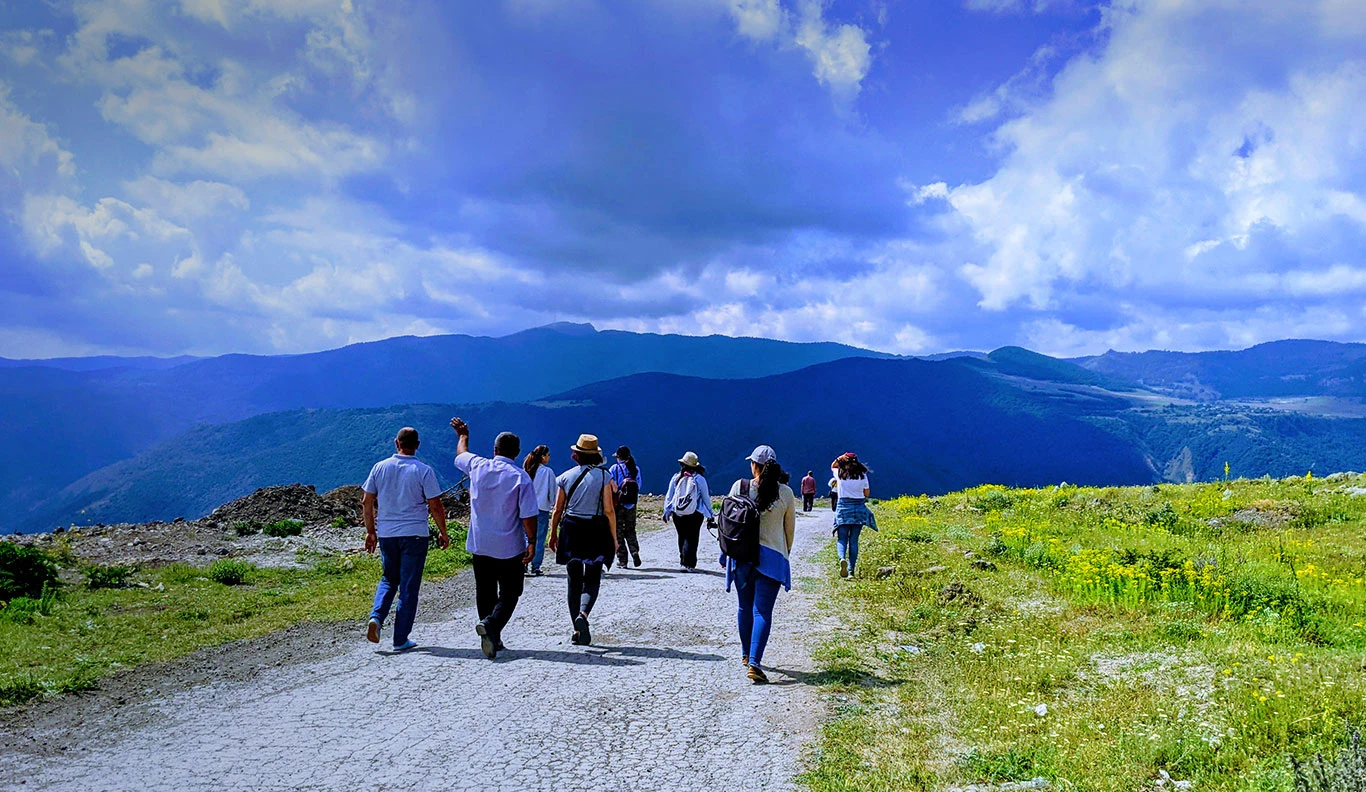
Over the past year, the Caucasus and Central Asia regions have witnessed a real boom in tourism. While popular European travel destinations are facing challenges of overtourism many travelers are pivoting eastward to these less-discovered lands.
Tourism Statistics
According to statistics Georgia welcomed approximately 7.8 million international travelers in 2025 (an increase of almost 6%) while Armenia welcomed over 2.26 million tourists. Moreover, the authoritative publication Forbes and Wanderlust magazine included Armenia among the top must-visit destinations in 2026. As for Central Asia, according to the World Travel & Tourism Council, it demonstrated the fastest growing tourism sector in the world in 2025, with tourism's contribution to the region's GDP increasing by 17.7%.
Tatev Manucharyan, director of Arara Tour — a specialized agency organizing comprehensive Caucasus and Central Asia itineraries — notes that this change has been very noticeable on the ground, with the company recording a 40% increase in multi-country Silk Road bookings over the past year. "People who a few years ago would have chosen Italy, France or Spain are now inquiring us on the Caucasus and 5 Stan trips," she says. "What has changed for me is not only the number of travelers interested in the region, but their level of curiosity. They often come to us already knowing about the destinations and wanting to understand how they can experience them properly, rather than just asking for a standard itinerary."
These are not only tourists from neighboring countries. The Caucasus and Central Asia have become increasingly attractive to European and English-speaking visitors, who are choosing these regions for their holidays instead of iconic cities.
What's the Reason for This Interest?
Easy entry
Citizens of the US, UK, Canada, Australia, and the EU can enter Georgia, Armenia, Kazakhstan, Kyrgyzstan, and Uzbekistan visa-free for stays of 30 days to 1 year (depending on the country). Tajikistan has a simple electronic visa system (e-visa), which can be processed online in just a few days.
The absence of crowds
Another reason is the absence of crowds at attractions and the long queues for tickets that can be seen at popular destinations such as Paris, Rome, Venice, Barcelona and others.
Tatev believes that travelers don't choose the Caucasus simply as an alternative to Europe, but because it offers a different feeling. "In Europe, many destinations are already very familiar. Travelers know what to expect from Paris or Barcelona," she explains. "In the Caucasus, there is still an element of surprise. Even small things like sitting at a family-run restaurant, visiting a local winery, being invited into someone's home or having a conversation with people in a village, can become a memorable part of the trip."
Rich cultural and historical heritage
Recently, interest in cultural and historical tours has been growing, and the Caucasus and Central Asia are ideal destinations for this kind of travel. The regions offer unique authentic experience with rich historical and cultural heritage, exotic cuisine, old traditions, and genuine hospitality. The history associated with the Great Silk Road is also of great interest for history buffs, especially for tourists over 50.
Combined Silk Road expeditions
The emergence of combined Silk Road tours, connecting all eight countries, has also had a significant impact on visits to these regions. These extensive expeditions last from 31 to 56 days and allow tourists to immerse themselves deeply in the culture, history, and traditions.
"There is definitely more desire for longer journeys, especially among travelers who have already done the classic European trips," Tatev adds. "The two regions complement each other very well, so it makes sense to combine them in one longer journey. A traveler can start in Armenia or Georgia, and then further east into Uzbekistan, Kazakhstan and Kyrgyzstan. If they are flying all the way to this part of the world, they ask us, 'What else can I see while I am here?' This is where we see the strongest growth in multi-country itineraries."
There is also a certain “I want to see it before everyone else does” feeling among some travelers. They are looking for places that are still less familiar internationally, and the Caucasus and Central Asia fit that criteria very well.
What Makes These Regions so Appealing?
The Caucasus – history, food, wine and mountains
Let's figure out what exactly makes Caucasus tours so unique and appealing to tourists?
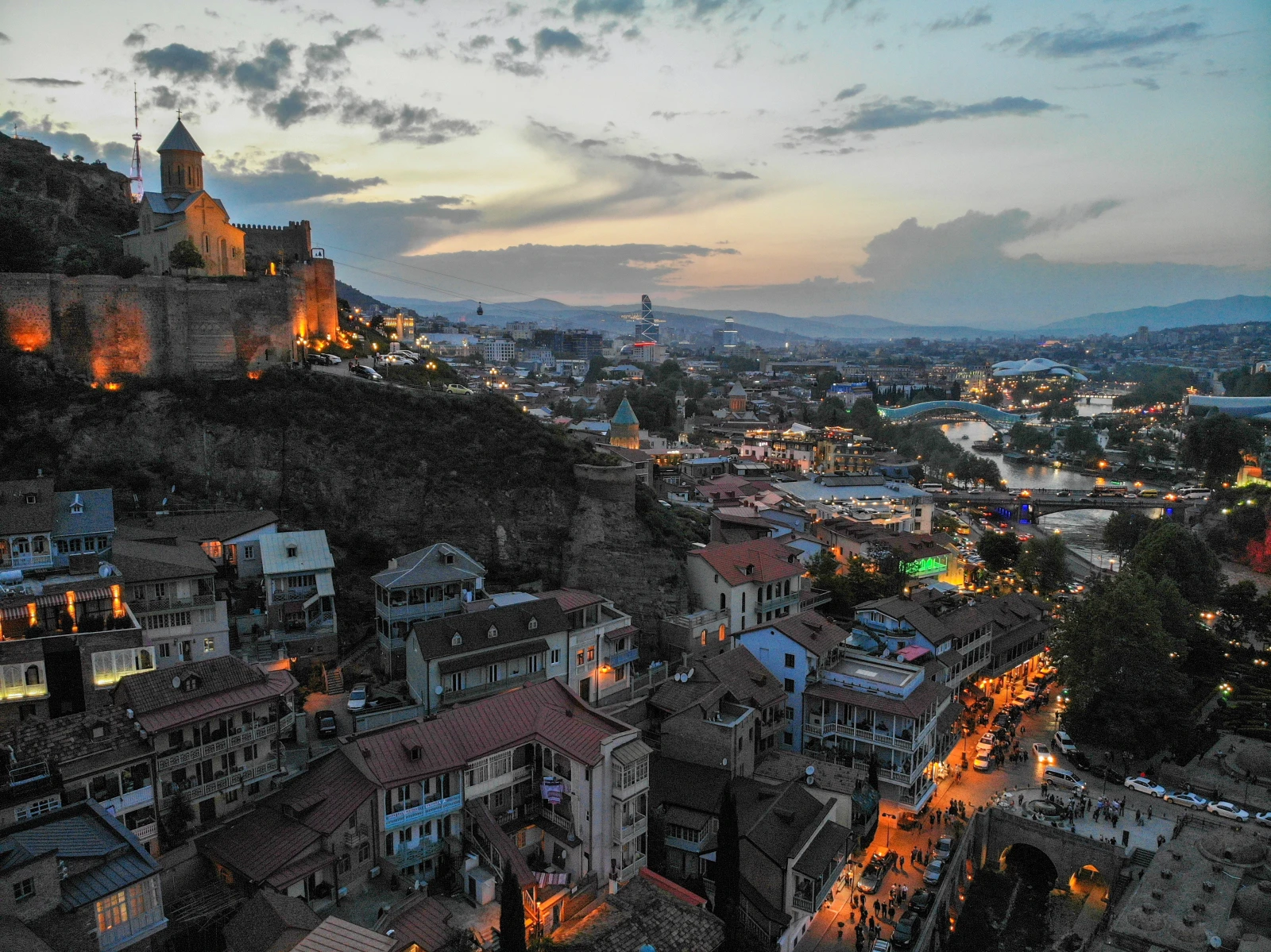
First of all the Caucasus is a region of contrasts. Each capital combines the blend of the old and the new where modern streets and buildings coexist alongside the old parts of the city with cobbled narrow streets and old constructions. From time to time, it feels like you’ve stepped into the past.
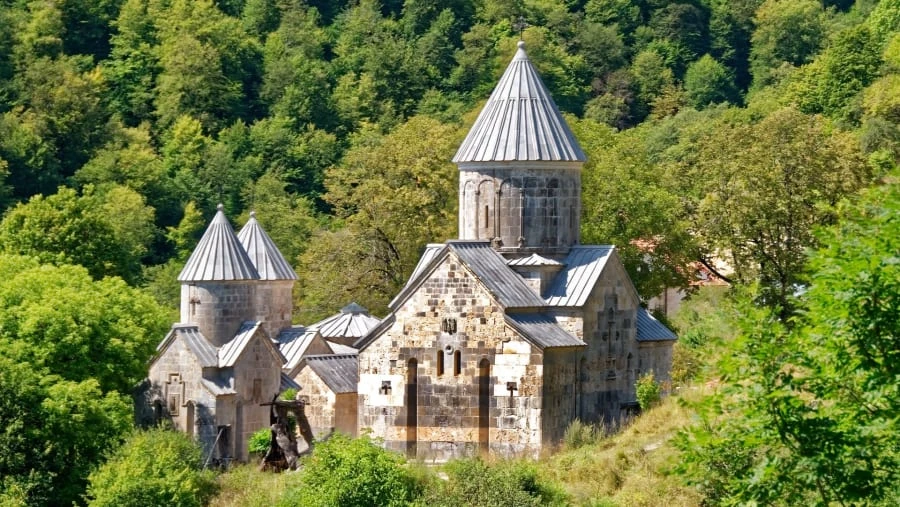
The Caucasus is also a region of deep-rooted religious heritage where the important role is occupied by Armenia which is proud of being one of the first nations in the world to adopt Christianity as a state religion. Here travelers can admire ancient churches and monasteries set high in the mountains offering breathtaking views, many of which are protected by UNESCO.
The Caucasus is a real paradise for food and wine tours. For gastro tours the first place should go to Georgia. It is proved that the winemaking here dates back 8,000 years. The tradition of making wine in special large clay vessels known as qvevris has been passed from generation to generation and reached our days. Nowadays the country with its sun-kissed vineyards in Kakheti region, unique winemaking traditions and rich varieties of wine is a must visit place for wine enthusiasts.
Not to be missed are Caucasian dishes where the list is headed by local barbecue, different varieties of khachapuri, khinkali, pakhlava, different kinds of cheese and others.
Besides religious, historical and gastronomic tourism the region is a great choice for adventure travel: here extreme lovers will find lots of dramatic hiking routes, trekking trails, and opportunities for rock climbing.
The Central Asia – nomads, Silk Road history and steppes
Central Asia comprising Uzbekistan, Kazakhstan, Kyrgyzstan, Tajikistan and Turkmenistan is a region of architectural monuments, nomadic traditions, snow peaked mountains, vast steppes, and oriental fairy tale cities.
Here are some highlights of each 5 Stans that are especially appealing for tourists:
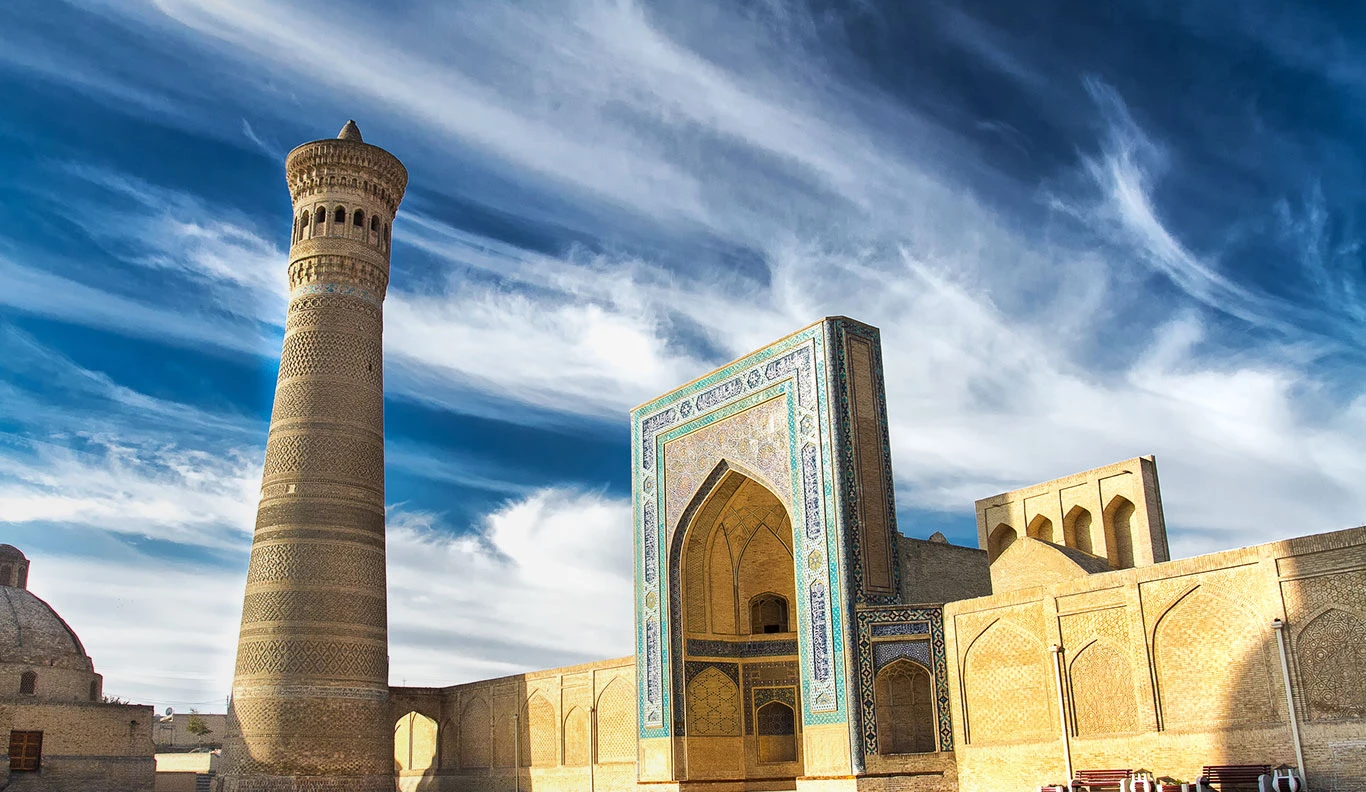
Uzbekistan is a heart of Great Silk Road and one of the most influential crossroads in world history. The historical cities of Samarkand, Bukhara and Khiva will surprise travelers with their architecture and historical monuments many of which are protected by UNESCO. It is also a country of vibrant bazaars, tasty dishes and colorful ceramics.]
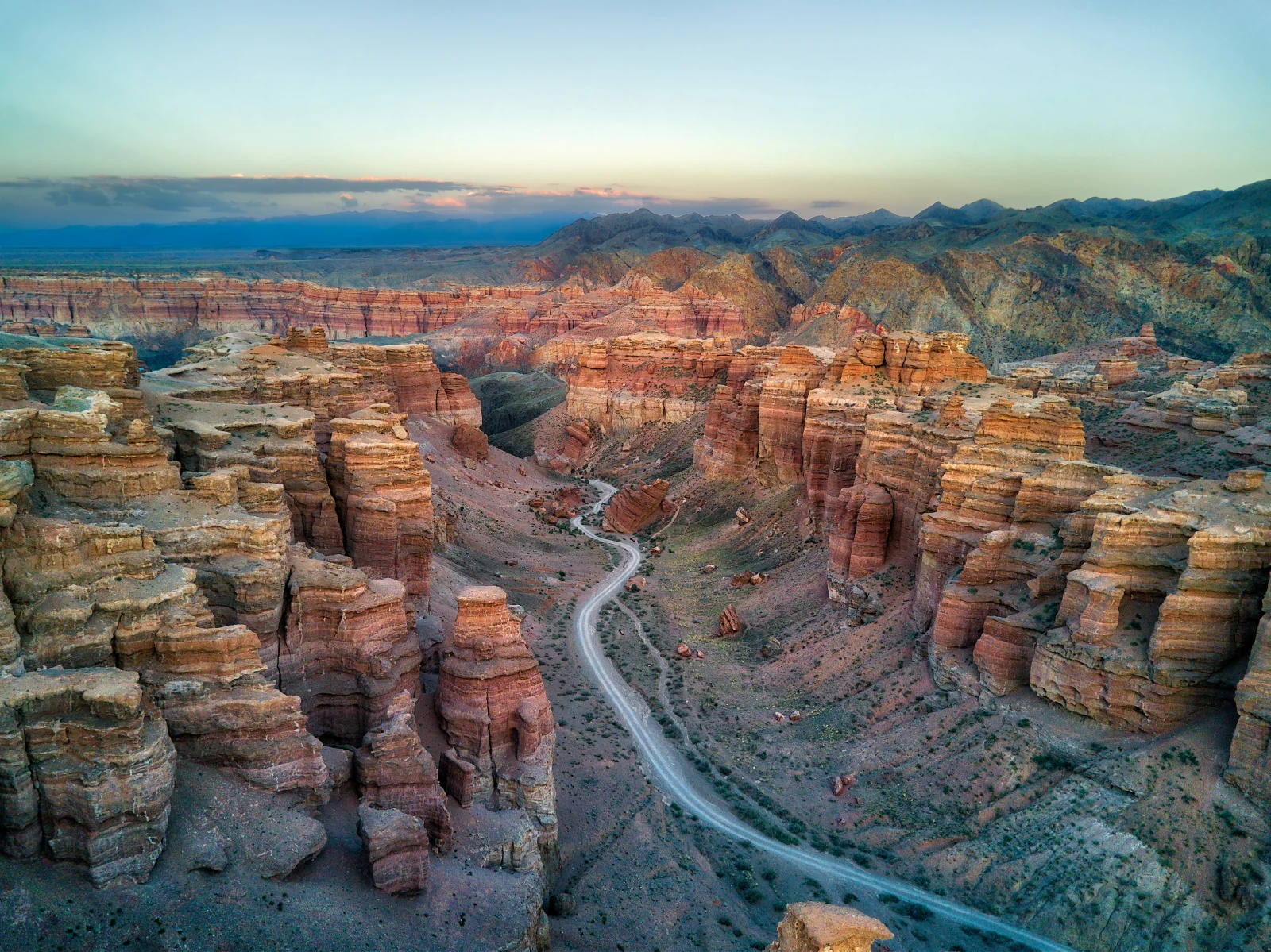
Kazakhstan is the largest country in Central Asia offering beautiful landscapes of vast steppes, alpine mountains, lakes and canyons. The country is of great interest due to its exotic nomadic traditions: here travelers can feel like real nomads while living in yurts, driving horses, eagle hunting and tasting local dishes.
Kyrgyzstan is a land of untouched alpine valleys, azure lakes and high mountains which make it a great place for adventure travel.
Tajikistan is a destination for travelers seeking dramatic mountain scenery and adventure. The country is home to the Pamir Mountains, often described as the “Roof of the World”.
Turkmenistan is a more isolated country known for its vast desert landscapes, massive natural gas reserves, and unique, highly isolated culture.
Murodjon Sadirov, one of the best guides from Uzbekistan, emphasizes the immense historical value of these lands. "Central Asia is definitely one of the regions in the world which is worthy to explore in any ways. As these lands have made great contribution to human civilization, one can never regret visiting these sites," he explains. "If one considers any field such as science, medicine, art or literature and even architecture, Central Asia is the homeland of thousands of scientists, thinkers and artists who made priceless contributions."
While Sadirov notes that Central Asia is composed of developing countries and their tourism infrastructure may not always be at the same level as the world’s top destinations, the local culture compensates for it. "Hospitality, family values and traditions found here can be an example to the rest of world," he concludes. "And above all, safety, the way people treat women and children, and the region’s tradition of tolerance are qualities that in my opinion, outweigh any other reasons someone might have not to visit."