make preferable

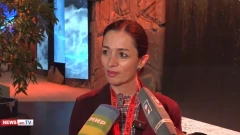
The world is facing the threat of the sixth mass extinction of species, and this process is not slowing down. Camila Jardim, an international political expert at Greenpeace Brazil, on Tuesday stated this during a press briefing on the sidelines of the 17th meeting of the Conference of the Parties (COP17) to the UN Convention on Biological Diversity being held in Yerevan, the capital of Armenia.
The expert explained that the planet is on a path to steadily exceeding the threshold of global temperature increase of 1.5 °C compared to the pre-industrial period. She noted that the consequences of the crisis are visible everywhere, as nature knows neither administrative borders nor departmental barriers.
In conditions where crises are deepening and mutually reinforcing each other, the only way not to delay is to remove these barriers and join forces. Many countries, however, are not ready to take this comprehensive approach to a new level, Jardim noted.
Science and practice provide an unambiguous answer: delay multiplies the costs of implementing measures, while an integrated approach in policy makes it possible to speed up the process and reduce costs, she said.
If the solution to the problem of biodiversity loss is postponed for ten years, the cost of the necessary steps will double, and the delay in combating climate change could cost at least $500 billion per year in the future, Jardim stressed.
She added that biodiversity has decreased by 2 to 6 percent per decade over the past 30 to 50 years.