make preferable
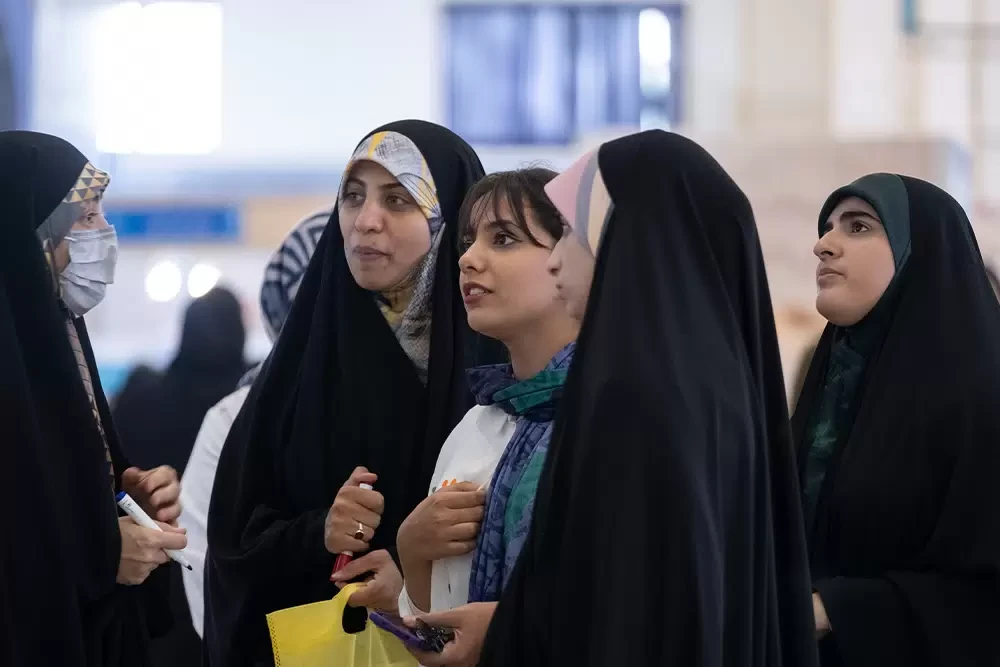
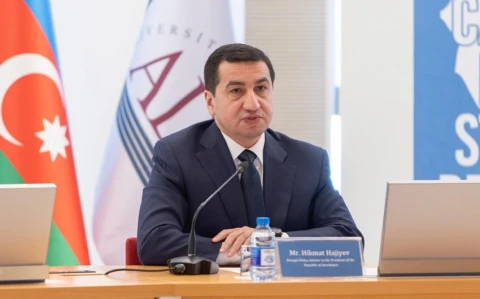
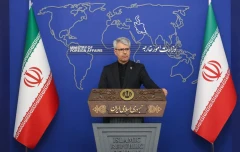
The Ministry of Science and Education of Azerbaijan has expressed surprise and regret over the statement by the Minister of Science, Research and Technology of Iran, Hossein Simaei Saraf, who had proposed Azerbaijani girls to receive higher education at Iranian universities without giving up wearing the hijab.
In Baku, these words were assessed as interference in Azerbaijan’s internal affairs; in particular, in educational policy.
No one has the right to interfere in Azerbaijan’s internal affairs, including in the education sector. Iranian officials are advised to deal with the problems of their own country instead of interfering in the affairs of other countries, the aforesaid Azerbaijani ministry stated.
The ministry touched also upon the situation of ethnic Azerbaijanis living in Iran. According to the Azerbaijani side, there are about 40 million Azerbaijanis living in Iran, who have been deprived of the opportunity to receive a full education in their native language for decades. In particular, there are no state schools in Iran with Azerbaijani language instruction, and the use of that language in the higher education system of Iran is also limited.
The Azerbaijani Ministry of Science and Education has called on Iran to first ensure the right of its own citizens of Azerbaijani origin to receive education in their native language before giving advice to Azerbaijan.
The reason for the aforesaid statement was the discussion of the rules of school uniforms in Azerbaijan. According to the September 21 decision of the Cabinet of Ministers, additional elements of clothing that disrupt the uniformity of the uniform and contradict the principle of secular education are prohibited in schools in Azerbaijan. But there is no direct mention of the hijab in the document.
Baku believes that Iranian officials have presented the issue of school uniforms in Azerbaijan as a restriction of religious freedoms, giving it a political connotation.
Baku says that the secular nature of the state and education in Azerbaijan is enshrined in national legislation, and the discussion of students' rights should not become an occasion for interference in the country's internal affairs.