make preferable
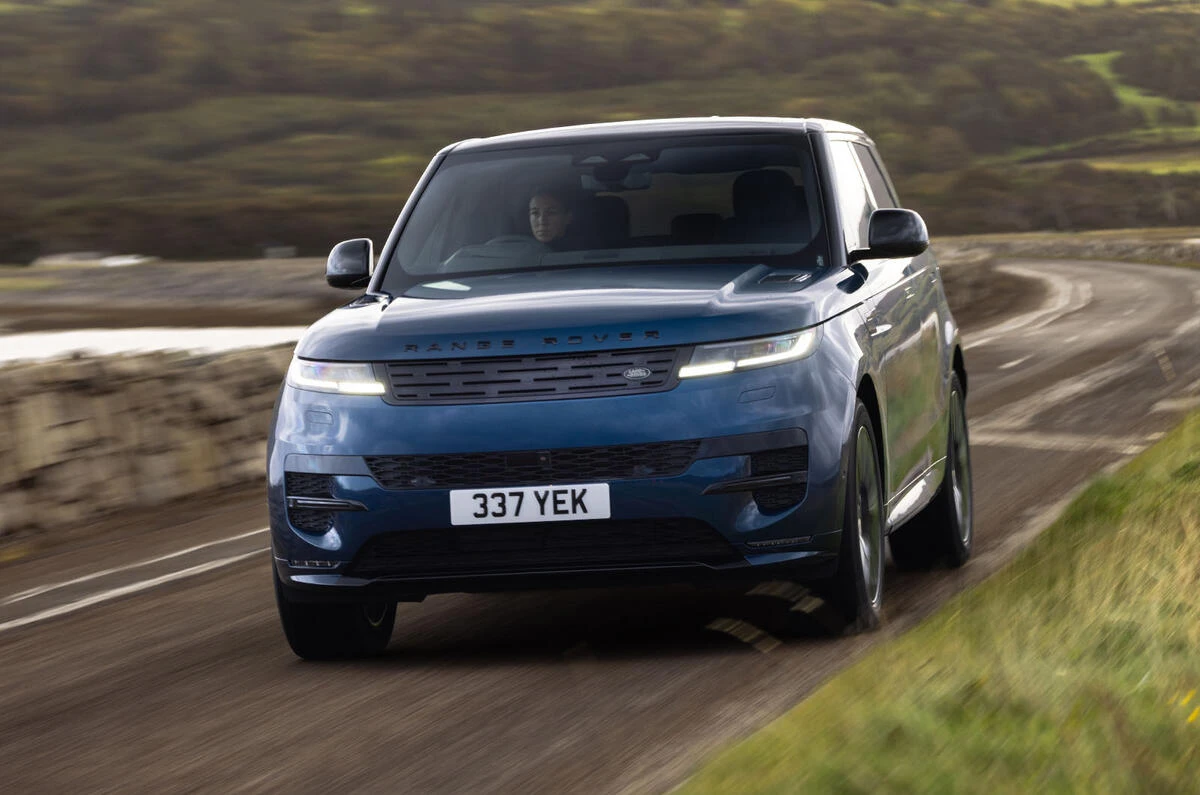
The electric Range Rover Sport has become one of the most successful electric cars in its class, thanks to its combination of luxury, comfort, and sporty handling, Autocar reports. The transition to electric drive has made this SUV even better, while maintaining its main advantages.
The new version is built on the MLA platform, which is also used in other models of the Range Rover family. Two electric engines—one on each axle—together provide 542 horsepower and 849 Nm of torque. The usable battery capacity is 118.5 kWh. These characteristics coincide with the indicators of the electric Range Rover.
The battery is located in the floor, thanks to which the center of gravity has become lower, and the rigidity of the body has reached a record level for this platform. At the same time, the layout of the cabin and the space for passengers has not changed.
Despite the all-wheel drive system, the car continues to give the feeling of rear-wheel drive by the nature of the ride. Journalists note that the electric powertrain does not draw attention to itself, but emphasizes the advantages of the chassis.
The car confidently passes turns, responds accurately to the steering wheel, and at the same time provides a high level of comfort. It can be both a leisurely luxury touring car and a dynamic SUV, without the need to choose between these qualities. The developers created the electric Range Rover and Range Rover Sport in parallel, seeking to preserve the individual character of each model.
According to Autocar, they managed to provide a noticeable difference between the two cars. The Sport has retained the driving excitement and dynamics of the previous generation. However, there are also disadvantages. Journalists criticized the car’s touch screen for its mediocre image quality and inconvenience of use.
It is through it that it is necessary to control even the Terrain Response system, which is responsible for selecting the car settings for different types of road surfaces. The Dynamic mode is also not the best choice for ordinary roads: the suspension becomes too stiff, and the artificial sound of the electric engine is perceived as a dubious effect.
Another drawback is the price. The electric version is about £20,000 more expensive than a comparable mild hybrid, and £15,000 pounds more expensive than a plug-in hybrid. But it is about £10,000 pounds cheaper than the gasoline version with a V8 engine and, according to Auto car, surpasses it in dynamic characteristics. Autocar considers the transition of the Range Rover Sport to electric drive exceptionally successful.
According to journalists, the driver will mainly remember that he is driving an electric car when it comes time to replenish the energy reserve.