make preferable
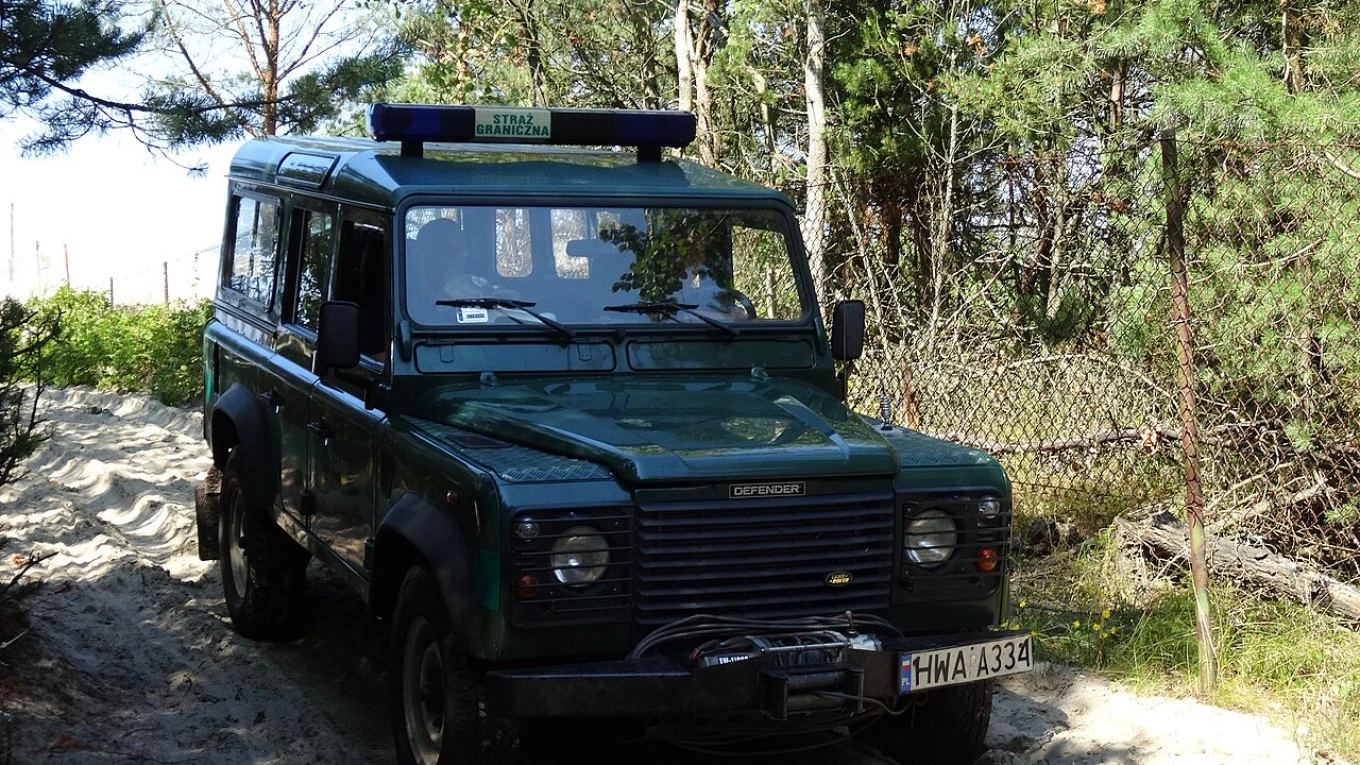
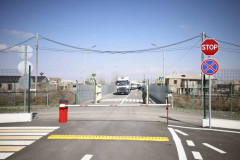
Poland has deployed forces to its border with the Kaliningrad region to conduct an anti-sabotage operation, the country's police chief, Marek Boroń, told RMF FM. He said that in late October, the authorities received warnings from the Military Intelligence Service and its counterparts in allied countries about possible provocations by Russia, including attempts by armed groups to infiltrate the country. Preventive measures were therefore deemed necessary.
The operation covers the Warmian-Masurian and Podlaskie voivodeships. It is being conducted by the police with support from the army, border guards and intelligence services. Counterterrorism units have also been deployed to the border area. A special command center has been established at National Police Headquarters to coordinate operations.
“This is directly linked to the acts of sabotage taking place in our country, as well as the hybrid criminal activities of eastern intelligence services… We must protect residents of the border areas and facilities located there from any situations that could pose a threat,” Boroń stressed.
At the same time, Poland is strengthening its military presence on the border with the Kaliningrad region. A dedicated unit, the Warmian-Masurian Brigade, will be established by the end of 2026 for this purpose. Its specific task will be to defend the border in the event of a Russian invasion.
Territorial defense brigade commander Cezary Kiszkowiak said the unit would monitor the situation near the Suwałki Gap, a strategically important stretch of the Polish-Lithuanian border for NATO that extends just over 100 kilometers. It connects the Baltic states with the rest of the Alliance's territory while separating Belarus from the Kaliningrad region. The new brigade is expected to reach full combat readiness within two years. The troops who will form the brigade are currently being re-equipped.
On October 7, Lithuania deployed troops to its border with the Kaliningrad region. The authorities explained that this was done because of the risk of an increased “influx of hostile foreign nationals in connection with possible mobilization in Russia.” The decision followed an incident on Latvia's border with Belarus, where 20 people accompanied by armed individuals attempted to enter the European Union illegally. The additional Lithuanian forces will remain near the Kaliningrad region until at least mid-November.