make preferable
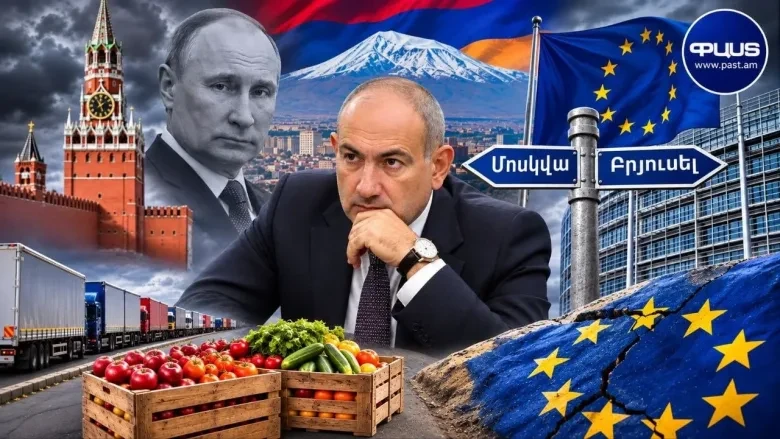
Past daily of Armenia writes as follows, in particular: Armenia's foreign policy has in recent times found itself in deep strategic contradictions, where attempts to accept the desired as reality are clashing with harsh geopolitical realities.
[PM] Nikol Pashinyan's statements about the prospect of seeing Armenia as part of the European Union in two decades are combined with a policy of constant swinging between the EAEU and EU axes. This approach, which the [Armenian] authorities are trying to present as "balanced" or diversified diplomacy, according to critics, actually reveals the absence of a clear foreign policy strategy.
After a long period of unilateral pro-European flirtations and the failure to find real, practical guarantees in the security umbrella of the West, official Yerevan is forced to turn to Moscow again, trying to ease the tension caused by its own inconsistent steps.
(...).
These foreign policy shortcomings of Armenia’s authorities are based on an incomplete understanding of geopolitical realities. According to critical assessments, there is no real political will and institutional prerequisites for the European Union to accept Armenia as a full member, and the promises made with a twenty-year perspective cannot solve today’s security and economic challenges facing the country. As a result, after the unilateral European aspirations that remained unanswered, official Yerevan is once again forced to return to the Moscow negotiating table, trying to save what is still possible to avoid serious economic and security shocks.