make preferable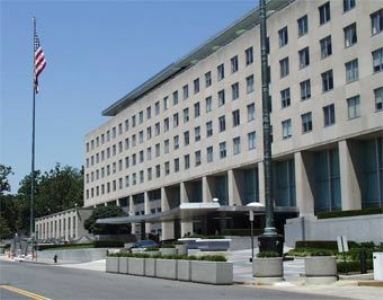
The constitution guarantees the freedom of religion and establishes the separation of church and state, but at the same time recognizes the Armenian Apostolic Church as the national church and preserver of the national identity, says International Religious Freedom Report for 2014 issued by State Department.
The report noted that courses on the history of the Armenian Apostolic Church are a mandatory part of the public school curriculum.
“Government actions affecting minority religious groups included pressuring new military conscripts to undergo baptism together into the Armenian Apostolic faith, discrimination in the army on religious grounds, obstacles to obtaining places of worship, and discrimination against religious minorities in the school system and in public sector employment. The government stated it had no intention of changing school curricula to eliminate the compulsory “History of Armenian Church” course, viewed by many local experts as indoctrinating and proselyting children. Jehovah’s Witnesses praised the government’s implementation of alternative labor service as an option for conscientious objectors pursuant to a change in the law in 2013,” the report says.
Many media outlets continued to present news stories characterizing minority religious groups as “enemies of the state,” although most religious groups said, in comparison with prior years, journalists had begun to portray their activities more objectively.
Several religious organizations reported improved relations with the Armenian Apostolic Church. A survey of mid-level school students found the respondents expressed highly negative attitudes towards religious organizations other than the Armenian Apostolic Church.
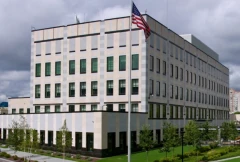
The U.S. Ambassador, embassy representatives, and visiting officials promoted interfaith dialogue publicly and during meetings with government officials, emphasizing that all individuals should be allowed to practice their faith without hindrance, and that members of religious minorities should not be considered a threat to the state. Embassy officials engaged with religious and civil society leaders throughout the year to promote religious tolerance.