make preferable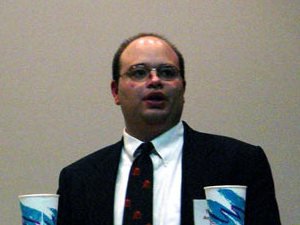
“The OSCE’s role in the resolution of the Nagorno-Karabakh conflict has been to support the ‘peace process’ through the Minsk Group. In a decade and a half, this has produced no substantive moves toward a peace treaty, despite numerous plans, meetings, and statements,” Associate Professor at North Dakota State University Thomas Ambrosio told APA agency.
According to him, the real problem is that the core elements to resolving the conflict are contradictory.
“One could argue that as long as Baku and Yerevan are talking to each other they are not fighting, and this alone is a reason to continue with what appears to be a futile process. That is fine. However, one should not expect any breakthroughs,” he noted.
“The three ‘legs’ of the Helsinki Principles emphasized by the summit’s attendees-territorial integrity, the non-use of force, and the right to self-determination- cannot all be accepted by the parties. One cannot preserve Azerbaijan’s territorial integrity without the Armenians believing that they are giving up the right to self-determination, since they define this as the right to independence. Similarly, one cannot allow the Armenians to legally secede without violating Azerbaijan’s territorial integrity. Thus, any ‘solution’ to the conflict will be seen as unacceptable to one of the sides, given their current positions and interests,” emphasized Ambrosio.