make preferable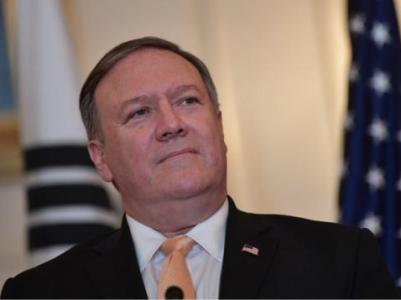
After a crushing defeat in the UN Security Council, the United States is ready to urge the UN to reimpose sanctions against Iran through a rarely used diplomatic maneuver that is likely to further isolate the Trump administration and could cause a crisis of confidence in the UN, AP reported.
Sanctions on Iran have been eased in line with the 2015 nuclear deal, which President Donald Trump abandoned two years ago. But last week, the United States failed in its attempt to indefinitely extend the international arms embargo on Iran and has now switched to a new diplomatic line of attack.
US Secretary of State Mike Pompeo will travel to New York on Thursday to notify the UN Security Council chairman that the United States is engaging a “snapback” mechanism in a resolution approving the nuclear deal. This allows participants to demand the restoration of all UN sanctions in a complex procedure that cannot be vetoed.
The State Department is expected to announce plans for Pompeo's trip on Wednesday, but he and Trump have made no secret of their intention to use the “snapback” mechanism, especially since their attempt to extend the arms embargo suffered a disgraceful defeat last Friday.
Just like extending the arms embargo, the administration's plan sharply opposes China and Russia, as well as other members of the Security Council, including US allies, Britain and France, and could set the stage for a battle over the legitimacy of UN policies.
The United States claims that, as the original participant in the nuclear deal, it retains the right to demand the restoration of sanctions. Others, who continue to support the deal, say the US had no authority to do so when Trump pulled out of the deal in 2018, but it is unclear if they can stop the “snapback” mechanism from engaging with technical procedural means.
The US argument is highly controversial. The Chinese, Russians, and Europeans ridicule him, and even the most influential Iranian hawks in the United States disagree with him.
Former Trump national security adviser John Bolton said the US lost the power to use this mechanism when it pulled out of the deal, and that going forward is not worth the damage it could inflict on the US Security Council veto.
Iranian Foreign Minister Mohammed Javad Zarif praised Bolton this week. And former US Undersecretary of State for Political Affairs Wendy Sherman, the Obama administration's lead negotiator on the nuclear deal, said that it is impossible for someone who backs out the deal to have the right to “snapback” mechanism.
Thus, the administration’s persistence in moving forward has created grounds for controversy and the likelihood that the US appeal will simply be ignored by other UN members. This outcome could potentially call into question the Security Council's ability to enforce its own legally binding decisions.
Pompeo is expected to provide evidence of material non-compliance with the nuclear deal. Iran has not denied violating some of the terms of the deal but says its actions were prompted by the US withdrawal and the Trump administration's re-imposition of sanctions.
The Obama administration, which negotiated, intended the United States, or any other permanent councilor, to use its veto to block the continuation of the lifting of the sanctions. In theory, this will lead to the re-imposition of sanctions.
But whether any other council member will support US action is an open question. Some UN experts believe that others will simply ignore the Americans, leaving the Trump administration in a position where it may be forced to submit its resolution to extend the sanctions easing with the sole purpose of vetoing it.