make preferable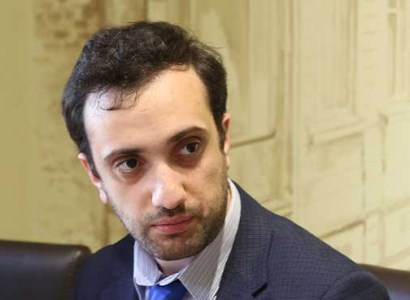
There are two issues that the committee on reforms in the Electoral Code has reached consensus, including maintenance of a parliamentary republic and renunciation of the mechanism of stable majority. This is what Head of the Union of Informed Citizens NGO Daniel Ioannisyan said during an online discussion devoted to electoral reforms today.
According to him, there are several issues related to electoral rights and formation of authorities.
“Among those issues are the age threshold for passive suffrage, the mechanism for election of the President, the mechanism for referenda and the formation of government in case of renouncing stable majority. In regard to the age threshold, there are three scenarios under consideration, including (1) leave the age threshold unchanged, (2) lower the voting age to 16-17 and (3) give the legislature freedom to determine the voting age for this or that election,” he stated.
Ioannisyan explained that citizens of Armenia have the right to start families, work, pay taxes and participate in assemblies after attaining the age of 16 and that this can also apply to the right to participate in the formation of authorities through elections.
Chairman of the Helsinki Citizens’ Assembly Vanadzor Office Artur Sakunts said lowering the voting age to 16 will only lawfully record that which de facto exists. “We see how youth in Armenia and all parts of the world are actively participating in public and political processes. The proposed amendment will become a major manifestation for the development of democracy and freedom of speech in Armenia,” he said.