make preferable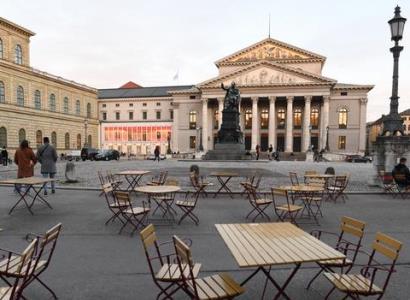
Germany begins a month-long partial lockdown on Monday as it struggles to curb the momentum of the coronavirus that has infected half a million people across the country, DW reported.
As the new lockdown came into force, the Robert Koch Institute for infectious diseases announced a drop in cases, with just over 12,000 new infections, though the figure is often lower on the first day of the week as not all health authorities report on the weekend.
Infections of COVID-19 have been increasing sharply in recent weeks, with record caseloads becoming the norm, and Chancellor Angela Merkel has introduced stringent measures on public life as a result.
Some have described the lockdown as a lighter version of the one seen in the spring, as schools and shops will remain open, churches will be allowed to hold services and protests will not be banned. Nevertheless, all restaurants and bars will be closed, meetings in public will be restricted to just two households and all recreational centers, such as pools and gyms, will be shut.
State and federal leaders will meet again in 10 days to assess if the new measures need to be tightened further still or whether they may be eased in December, depending on the rate of infections.
German Health Minister Jens Spahn urged citizens to significantly reduce their contacts in order to deal appropriately with the "situation of the century" and that a "national effort in November" is required, he told public broadcaster ZDF.