Preferred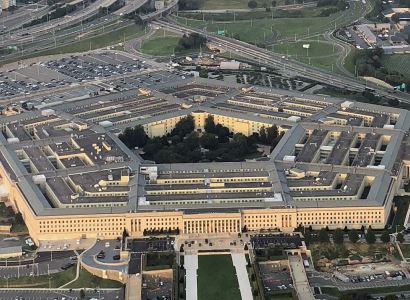
Pentagon force planning is a dense and complicated blend of assumptions and projections, but operational scenarios are its most impactful ingredient, the author of the Forbes article “The Pentagon needs to rethink its worst-case scenarios against China and Russia” writes.
During the past decade, the Department of Defense (DoD) naturally focused its planning on peer competitors China and Russia or nuclear-armed rogue states like North Korea. The most stressing campaigns U.S. forces could face against these adversaries dominate Department of Defense’s analysis, under the assumption that worst-case scenarios like an invasion of Taiwan also capture the needs for “lesser-included” cases like a lengthy blockade of Japan’s southwest islands or a sustained submarine threat off the U.S. coast.
Recognizing DoD’s focus on high-intensity warfighting, its potential adversaries are methodically developing strategies and systems that circumvent the U.S. military’s advantages and exploit its vulnerabilities by avoiding the types of situations for which U.S. forces have prepared. DoD may be falling into a trap by continuing to use a narrow set of high-intensity conflicts as its pacing threats.