make preferable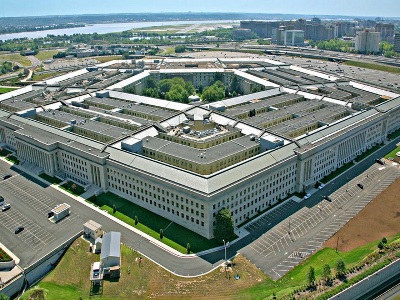
US Defense Secretary Lloyd Austin has ordered the Pentagon to postpone a planned test launch of an intercontinental ballistic missile to quell tensions with Russia over its invasion of Ukraine, The Hill reported.
“In an effort to demonstrate that we have no intention in engaging in any actions that can be misunderstood or misconstrued, the secretary of Defense has directed that our Minuteman III intercontinental ballistic missile test launch, scheduled for this week, to be postponed,” Pentagon press secretary John Kirby told reporters Wednesday.
“We did not take this decision lightly, but instead to demonstrate that we are a responsible nuclear power,” he added.
Russian President Vladimir Putin on Sunday alarmed Western powers when he directed Kremlin nuclear forces be placed on high alert after Moscow faced international condemnation and crippling financial penalties for its invasion of Ukraine.
The U.S. and its NATO allies have refused to raise their own nuclear alert levels, calling Russia’s stance reckless and escalatory.
“Now, in this time of heightened tensions, the United States and other members of the international community rightly saw this as a dangerous and irresponsible and, as I've said before, an unnecessary step,” Kirby said.
“We recognize at this moment of tension how critical it is that both the United States and Russia bear in mind the risk of miscalculation and take steps to reduce those risks.”
Kirby added that the missile test is not canceled and the Pentagon is “just moving it to the right a little bit.” It does not yet have a rescheduled date for the launch.
Kirby would not comment on whether the administration made any other changes to U.S. nuclear forces, only saying that the delayed test is not affecting U.S. strategic nuclear posture. He added that Austin is confident that U.S. posture “is up to the task of defending the homeland and our allies and our partners.”
“This is not a step backwards in our readiness, nor does it imply that we will necessarily cancel other routine activities to ensure a credible nuclear capability,” he said.
“It is a wise and prudent decision by the secretary to send a strong, clear, unambiguous message to Mr. Putin, how seriously we take our nuclear responsibilities at a particularly tense time.