make preferable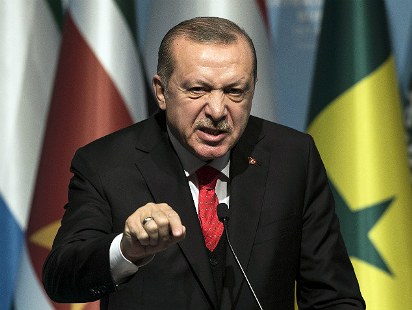
Turkey is walking a tightrope between Russia and the West over the war in Ukraine, as evidenced by its implementation of laws governing the strategic Bosphorus Strait that connects the Black Sea to the Mediterranean.
While the United States has welcomed Turkey's decision to restrict the movement of Russian warships through the straits, it appears that almost all NATO ships will also be banned from passage for the duration of the war, writes Aykan Erdemir, senior director of the Turkish program at the Foundation for Defense of Democracies and former member of the Turkish Parliament, in a Dispatch article.
Four days after the Russian invasion of Ukraine, Turkish Foreign Minister Mevlut Cavusoglu announced that the country would restrict the transit of warships, including Russian ones, through the Turkish straits in accordance with the Montreux Convention of 1936, which regulates civilian and military transit to the Black Sea. Minutes later, Secretary of State Antony Blinken thanked Cavusoglu for Ankara's continued implementation of the pact.
The Financial Times echoed many other Western observers, calling Turkish President Recep Tayyip Erdogan's decision a startling move by a leader who forged close ties to Vladimir Putin and questioned whether it represented a recalibration of Turkey's ties to the West.