make preferable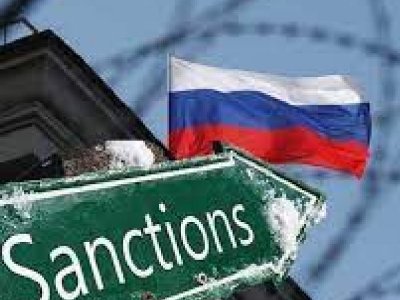
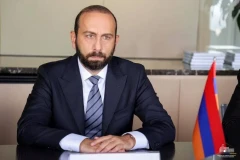
The European Union imposed sanctions on Russian businessmen, including Roman Abramovich, the owner of the Chelsea soccer club, and Konstantin Ernst, the head of Channel One.
The European Commission said the sanctions include "a far-reaching ban on new investment in the Russian energy sector."
The measures will affect Russia's largest oil companies Rosneft, Transneft and Gazprom Neft, which will be banned from transactions, but EU members will still be able to buy oil and gas from them.
Investments in energy projects in Russia run by other Russian companies, including gas giant Gazprom, will also be banned.
According to the official, the investment ban applies to the entire energy sector, with the exception of nuclear power, because some EU countries still rely on technology provided by Moscow for Russian reactors on their territory. Exports from Russia of several minerals, including fossil fuels and palladium, remain possible.
There will also be a complete ban on transactions with certain Russian state-owned enterprises.
As part of the sanctions, the assets of Abramovich and the businessmen are to be frozen, but decisions on how to apply this measure are left to EU governments.
The impact on companies owned by blacklisted businessmen remains unclear because there are no clear rules at the EU level on how to identify control or ownership, according to an EU official.
The ban on Russian steel imports is estimated to affect products worth 3.3 billion euros.
EU companies will also no longer be allowed to export to Russia any luxury goods worth more than 300 euros, including gems, crystal, caviar, wine, bags, leather goods, shoes and coats. Exports of cars worth more than 50,000 euros would also be banned. According to the EU representative, this was supposed to affect the lifestyle of the Russian elite.