make preferable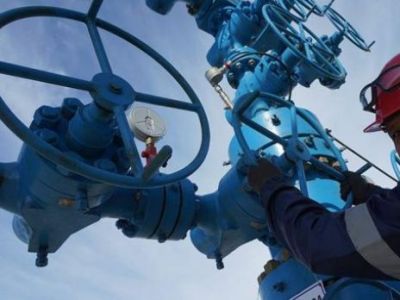
Japanese Prime Minister Fumio Kishida said he would not abandon a major Russian gas project because he did not want to risk the country's energy security, Reuters reported.
Kishida assured his Minister of Trade and Economy, Koichi Hagiuda, and other officials during meetings in early March that Japan would remain in the Sakhalin II liquefied natural gas (LNG) project as an exit threatened the economy, the sources said.
Kishida told parliament on Thursday that "withdrawal from participation in the Sakhalin-2 project is not part of our rules."
Details of the March meetings and a slight shift in public reporting by both Kishida and other government officials in the following weeks help illustrate the difficult balance between Japan and the other G7 (G7) countries in response to the Ukraine crisis.
Even though Japan is imposing sanctions on Russian banks and businessmen, Japan has less leeway than some of its allies to cut off Russian gas, on which it has become more dependent since the shutdown of its nuclear reactors following the Fukushima accident in 2011.
Ahead of elections in July, Kishida wants to avoid a sharp increase in fuel bills and the risk of power outages.
Kishida's statement could also signify a victory for the Commerce Department's energy policy over diplomacy and attempts to reassure investors who own stakes in Sakhalin-2 and other projects in Russia.
If Japan is forced to replace Russian LNG with gas bought on the spot market, it would mean additional costs of up to 3 trillion yen ($25 billion) at the current spot price, a senior energy agency official said.