make preferable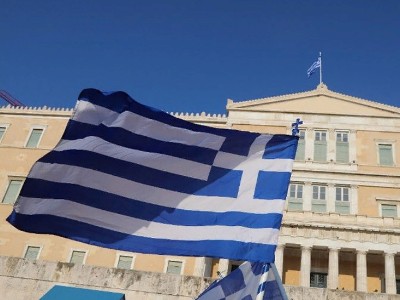
Athens is fully prepared for even the most extreme scenario from Ankara, given that Turkish President Recep Tayyip Erdogan is under pressure from within the country and is resorting to increasingly inflammatory rhetoric, Kathimerini reported.
This concern is exacerbated by the concentration of refugees and migrants on the Turkish coast, mainly in the areas opposite Chios and Samos. There were reports of a growing number of boats in these areas that could be used by migrants arriving on the coast.
The influx of refugees and migrants to the Turkish coast, combined with the rhetoric of Turkish government officials, has forced diplomatic and military circles in Athens to dust off previous crisis scenarios.
These include the possibility that the migrants will land on an island that Ankara says is in "perpetual ownership" and that Turkey will launch an operation to collect them under the pretext that the area is under Ankara's jurisdiction.
Turkey has said it is challenging the sovereignty of the eastern Aegean islands.
Refugees and migrants were often used by Turkey as an instrument of pressure on Greece, which in this case often faces not only the geopolitical, but also the humanitarian aspect of the issue.
In light of this, the Greek armed forces in the eastern Aegean continue to move on the basis of a heightened degree of vigilance and readiness to respond if necessary. However, until now, the main combat activity of the Turkish Armed Forces is the Efes-2022 military exercises, which take place within the boundaries of Turkish territorial waters and without interference, in some cases thanks to the participation of the United States in them.
Meanwhile, Athens was diplomatically active in order to advance the Greek position and highlight the Turkish aggression. Last week, the Foreign Ministry provided Greek embassies and missions abroad with 16 maps from 1972 to the present that show how Turkey's claim to influence over more than half of the Aegean has changed.
Prime Minister Kyriakos Mitsotakis also briefed foreign leaders and showed German Chancellor Olaf Scholz a map of the Ankara-supported Blue Home Doctrine, which envisions Turkish influence over large swaths of the eastern Mediterranean while emphasizing Turkish revisionism.