make preferable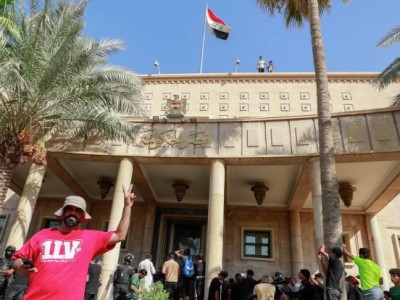
Sessions of the Iraqi Cabinet have been postponed due to protesters bursting into the government headquarters in Baghdad, according to a statement by Iraqi Prime Minister Mustafa Al-Kadhimi, RIA Novosti reported.
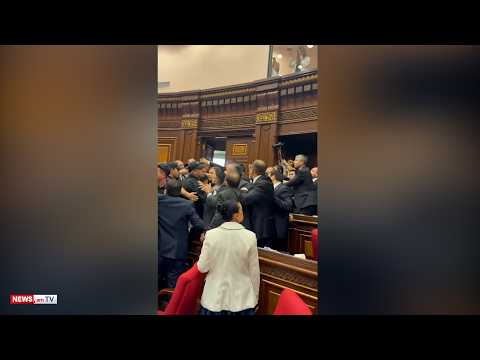
Hundreds of supporters of influential Iraqi Shiite politician Muqtada al-Sadr stormed Baghdad's Green Zone after he announced he was quitting politics. Protesters also stormed the Republican Palace, the headquarters of the Iraqi government located in the Green Zone, where clashes broke out between them and law enforcement forces.
"The Prime Minister, Commander-in-Chief of the Armed Forces instructs the Council of Ministers to suspend its meetings until further notice due to the intrusion of a group of protesters into the Cabinet building at the government palace," the statement said.
On Monday, al-Sadr, whose supporters continue to protest in parliament, said he was finally retiring from politics. The influential Shiite religious figure and politician also hinted that he might be killed.
Iraqi authorities announced a curfew to stop the unrest.
In Baghdad, protests by supporters of Muqtada al-Sadr resumed in late July. Demonstrators stormed the parliament building and said they had no plans to leave. In August, al-Sadr called on the country's judicial authorities to dissolve the parliament and on the president to set a date for early elections to the assembly. However, the Iraqi Supreme Judicial Council rejected the call.
The demonstrations began after Muhammad al-Sudani, a nominee of the Coordination Platform, which represents the main Shiite parties in parliament except for al-Sadr's bloc and his supporters, was nominated for prime minister. "The Coordinating Platform also called on followers to protest near the borders of the Green Zone. Earlier, one of the leaders of the Coordinating Platform, Amer al-Faiz, told RIA Novosti that the bloc has no plans to withdraw its candidate for prime minister.
Iraq is in a state of political crisis. After the parliamentary elections which took place in October 2021, the political forces of the country failed to elect a new president and form a government.
In May, the al-Sadr bloc, which won the parliamentary elections, announced that it was going into opposition after several initiatives to form a government had failed, giving other parties and independent parliamentarians a chance to form a cabinet. In June, members of the bloc resigned amid a protracted crisis over government formation.