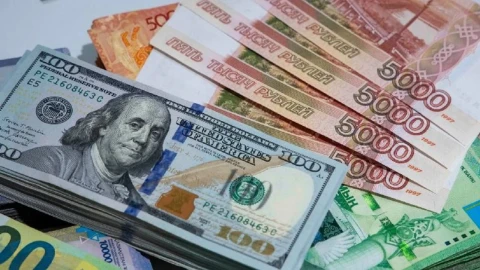
make preferable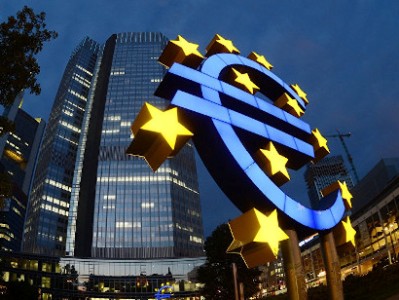
The euro zone economy grew by 0.8 percent in the second quarter compared to the first quarter, Bloomberg wrote.
Initially, growth was expected at 0.6 percent. But growth in consumer and government spending was able to overcome a slowdown in trade and supported EU business. Employment also rose 0.4 percent in the second quarter.
However, the agency states that already in the third quarter, the data for which are not yet available, the European economy is at risk of falling into recession, as it faces rising energy costs and shortages of energy supplies due to the fighting in Ukraine. To curb inflation, the European Central Bank (ECB) is preparing for another key rate hike, but Bloomberg notes that this could further exacerbate the region's economic problems.
In July, it was reported that Europe's economy grew 0.7 percent in the second quarter, but the estimate was revised upward.