make preferable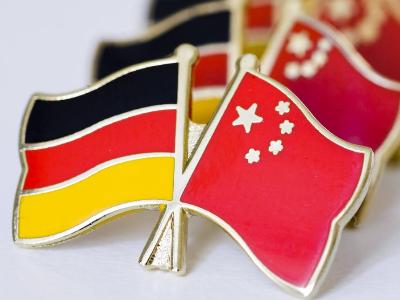
The German Economy Ministry is considering a series of measures aimed at making business with China less attractive in an effort to reduce its dependence on the Asian economic superpower, Reuters reported, citing sources.
According to them, the measures could include reducing or even eliminating investment and export guarantees for China and stopping the promotion of trade fairs and manager training there. Loans from state-run lender KfW could be redirected to projects in other Asian countries such as Indonesia, in line with efforts to diversify trade and expand business with democracies.
The ministry is also considering reviewing not only Chinese investments in Germany, but also German investments in China, a source said.
In addition, the government is considering filing a complaint with the World Trade Organization about what it sees as China's unfair trade practices with the G7. "We should show Beijing that we are willing to fight for the principles of fairness," the source said.
A spokesman for the economy ministry declined to comment on these specific measures, but said the ministry is reviewing targeted measures "to support the diversification (of trade and supply chains) and the strengthening of resilience".
The ministry has already decided no longer to provide investment guarantees for projects in the Xinjiang region or for companies with business relationships there because of concerns about human rights abuses and a lack of reliable information.
In May, the Economy Ministry denied Volkswagen guarantees for new investments in China because of concerns about Xinjiang.
China became Germany's top trading partner in 2016 with more than 245 billion euros in trade, boosting Europe's largest export-oriented economy.
German automakers are particularly reliant on the Chinese market, where Volkswagen earns about half of its profits. Germany and Europe also rely on China for some raw materials, such as rare earth elements.
The new German government agreed to a tougher line on China in its coalition agreement, promising to reduce its strategic dependence on its "systemic rival" and for the first time mentioning sensitive issues for Beijing, such as Taiwan and Hong Kong. Chancellor Olaf Scholz, unlike Merkel, made his first Asian visit to Japan.
According to sources, Berlin is working on a national security strategy in which China should be mentioned and on a specific strategy on China, which it intends to publish next year.