make preferable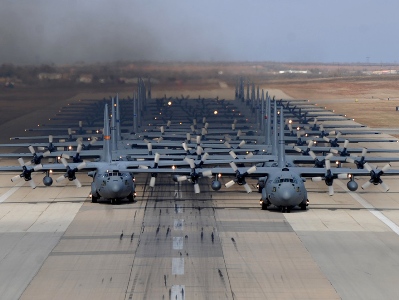
The U.S. is negotiating with Uzbekistan and Tajikistan to hand over nearly 50 military aircraft and helicopters that have been in those countries since the U.S. withdrew from Afghanistan last summer.
According to Politico, the fate of the warplanes has been in limbo for more than a year after Afghan Air Force pilots delivered them to Uzbekistan and Tajikistan last August, fleeing capture by the Taliban. The Taliban insist that the aircraft, a mix of light attack aircraft and helicopters, are Afghan property and are demanding them back. But Uzbek authorities say they are U.S. property and will not be returned.
Little has been said publicly about this issue, in part because of the sensitivity of Afghan-Uzbek relations and Russia's economic and military influence in Central Asia. But behind the scenes, U.S. officials have been secretly working to use the aircraft as leverage to gain a foothold in the region, a high-ranking Defense Department official told the publication.
The official said the U.S. plans to evaluate the planes to make sure they fly. He said the goal is to provide the governments of Uzbekistan and Tajikistan with several planes in exchange for an informal agreement to deepen our security and counterterrorism relationship.
The deal could include anything from increased intelligence sharing to, in the long term, placing troops or planes in those countries as a regional springboard for surveillance of terrorist activity in Afghanistan - something the Biden administration tried but failed to arrange before leaving the country.
Both countries border Afghanistan and are much closer than the U.S. bases hundreds of miles away in the Middle East, which the U.S. military relies on for access.
But at this point, it is more likely that the agreement will include access to information available to Uzbeks and Tajiks about terrorist networks in Afghanistan.
According to a high-ranking Defense Ministry official, both Central Asian countries are certainly very interested in keeping these aircraft. At the same time, he noted that the issue of any basic agreement is not being discussed at the moment.
In the short term, it is unlikely that any of the countries would allow the U.S. to use their territory for basing, given their close ties with Russia.