make preferable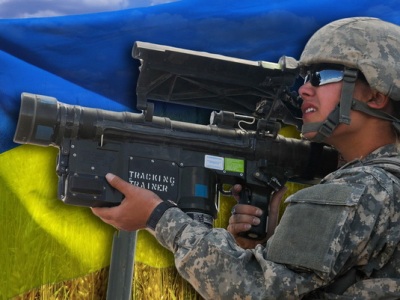
A much-publicized EU fund designed to help countries replace weapons supplied to Ukraine is becoming increasingly unable to cover an influx of requests for reimbursement - and it hasn't even sent its first payment, Politico writes.
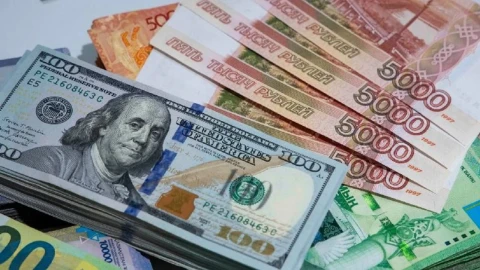
"Days after Russia’s war began, the EU set up a €500 million pot, encouraging countries to arm Kyiv and ask the EU to foot the bill. After looking at the receipts it received, Brussels determined it could cover about 85 percent of the costs, according to estimates shared by three diplomats," the article said.
The EU then authorized an even bigger pot - eventually amounting to 1.5 billion euros. That's when the flood of receipts began. The EU received so many requests that it estimated that Brussels could only meet about 46 percent of the requests.
According to diplomats, the plummeting percentage infuriated Poland, one of the EU's biggest arms donors to Ukraine and a leading applicant for compensation, which submitted receipts worth 1.8 billion euros. For days, the country blocked a final agreement to pay the second tranche of money, hoping to negotiate a higher rate. For them, less than 50 percent is too little, one diplomat noted. But Warsaw eventually relented.
Nevertheless, the payback scheme risks damaging the EU's reputation as a reliable military partner as Ukraine begs Europe for more weapons. Already, EU countries, Germany and France, have been criticized for not donating enough, while some smaller countries say they are running out of supplies.
The compensation fund itself is a product of the EU's clever workaround at the beginning of the war.
EU treaties prohibit the bloc from using its regular budget to fund military operations. So officials used the so-called "European Peace Fund," a financial instrument that goes beyond the regular budget, to help speed up arms shipments to Europe. EU countries pay into the fund's coffers, and a committee representing each country decides unanimously how to distribute the money.
So far, the EU has allocated about 2.5 billion euros from the fund to help cover member donations to Ukraine. But that figure still lags far behind receipts, and EU countries are expected to announce a new tranche of funding soon.
The flow of requests is due in part to Poland's large military donations to Ukraine. Warsaw has already handed over more than 2 billion euros worth of weapons to Kiev, far exceeding expectations. This has changed the EU's calculations about how much it can cover financially.
With a bank of 500 million euros, Brussels received requests for 600 million euros. That comes out to just under 85 percent. But with the 1.5 billion-euro bank, Brussels got about 3.3 billion euros, bringing that figure down to about 45 percent. Poland accounted for more than half of the total.
Discussions about how to distribute the last 500 million euros have not yet officially begun.
According to several diplomats, EU countries have long agreed to an 85 percent figure for the first tranche. Nevertheless, many diplomats said payments have not yet been made, although they said countries such as Slovakia have been promised quick reimbursements. Portugal is also considered first in line.
EU diplomats also agreed to use some of the peacekeeping fund money to partially cover the cost of an EU training mission for Ukrainian soldiers. Foreign ministers are expected to sign the agreement at a meeting on Monday.