make preferable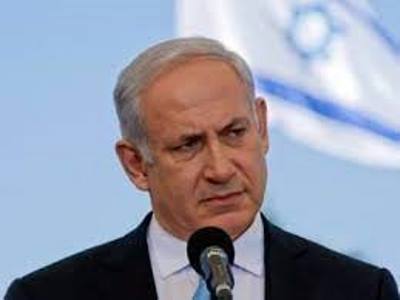
On a road in a crime-hit city in central Israel, Benjamin Netanyahu stands on a mobile stage surrounded by a glass wall through which he promises to restore law and order while the crowd chants "Bibi the king," Reuters reported.
The most influential and controversial political figure of his generation is returning to the campaign trail as Israelis prepare to vote Nov. 1 in their fifth national election in less than four years.
His Likud party is expected to win the largest number of seats in the Knesset. But with corruption charges hanging over Netanyahu and his ties to a fast-growing far-right party on which he can depend to form a government being criticized, polls predict that there will be no final victory.
For weeks, his Bibi Bus has been shuttling between Likud offices across Israel as he tries to garner support from voters tired of the endless gridlock in the election.
"Do you want to restore national pride? Reduce living costs? Restore personal safety?" a smiling Netanyahu asked the crowd. "I'm not a king. A king doesn't get elected. I need to be elected and that depends on you."
Netanyahu, a close ally of former U.S. President Donald Trump, unleashed an unrelenting stream of criticism against centrist Prime Minister Yair Lapid.
But because of several serious political differences between the parties on a wide range of issues, from the Palestinian question and Iran to the economy, the election is largely seen as a personal referendum by Netanyahu, whose hawkish image is increasingly tarnished by his legal problems.
As opinion polls stagnate, Netanyahu, who was first appointed prime minister back in 1996, needs every vote he can get.
Israel has been stuck in an electoral loop since 2019, the same year Netanyahu was indicted on corruption charges, which he denies. As his trial continues, the rift between his supporters and detractors deepens.
"The only thing that really matters is Bibi or not Bibi, unfortunately," said Hila Shay Vazan, former Knesset member and commentator.
Critics say that with the help of the far-right, Netanyahu, now head of the opposition, will push for radical judicial reforms that would allow him to delay his trial and potential imprisonment if convicted, which he denies.
The trial eclipsed Netanyahu's accomplishments during his last term, when Israel signed the Abrahamic Accords, which normalized relations with the United Arab Emirates and Bahrain through a process brokered by the Trump administration.
"He is with his back to the wall. And he feels, evidently, that this for him is a political battle for life and death," said political analyst Amotz Asa-El at Shalom Hartman Institute.
Polls show Netanyahu's bloc fluctuating from a narrow victory to a ruling parliamentary majority with the far-right Jewish Power party of Itamar Ben-Gvir, an ultra-nationalist once convicted of racist incitement.
According to Asa-El, both outcomes would nullify the chances of radical reform.
In his campaign, heavily promoted on social media, Netanyahu said little about changes to the judiciary, focusing on the high cost of living - a major issue for voters - and calling the judicial process "rigged."
Netanyahu says he has fallen victim to a political witch hunt, counting on the support of voters with little interest in the legal details of the judicial process, Asa-El said.
Netanyahu's fans reject this view.
"They say Bibi voters are stupid and ignorant," said Ramla-raised importer Moti Karo, 56. "It's not true. How can you dismiss street-smarts? Street-smarts is just what you need in the Middle East. And the street wants Bibi."