make preferable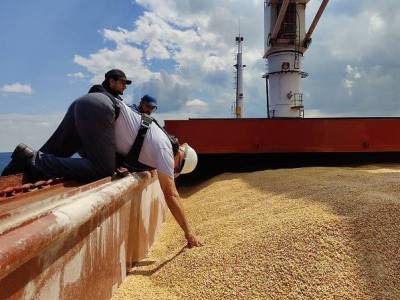
The International Rescue Committee (IRC) has warned of the disastrous consequences of Russia's suspension of its participation in a UN-brokered agreement on Ukrainian grain exports. The global humanitarian organization said the war in Ukraine has already changed global food production and supply patterns, the Voice of America reported.
Inflation in low-income countries has risen to nearly 90 percent, and 345 million people could face severe food shortages this year.
The organization said that while tens of millions of people face extreme hunger in East Africa and Somalia is on the brink of famine as a result of the worst drought in 40 years, a renewed blockade would prevent 80 percent of grain imports from the Russian-Ukrainian region, making the situation worse.
“The renewed blockade is prompting grave concerns about the growing global hunger crisis, especially in East Africa where over 20 million people are experiencing hunger or in places like Yemen which relies on Russia and Ukraine for almost half its wheat import and where over 19 million people need food assistance. The UN-brokered deal brought a ray of hope - now this hope is shattered again - the recent suspension of grain exports will hit those on the brink of starvation the most. Like Yemen, the East Africa region relies on Russia and Ukraine for much of its wheat imports and as Somalia teeters on the brink of a catastrophic famine, a further disruption of critical grain exports could push Somalia over the edge by impacting affordability and availability of grain within the region.”
According to official reports, 8.5 million tons of critical food products have been shipped to Africa, Asia and Europe since the blockade was lifted on Aug. 1. About half of the grain stored in Ukraine's Black Sea ports has been unblocked. Amid the recent escalation of violence in Ukraine, the International Rescue Committee called on the international community to make every effort to provide regular and predictable food supplies to those who need them most, including people on the brink of starvation in regions such as East Africa and Yemen.
The International Rescue Committee began its emergency response to the crisis in February 2022. The organization works directly and with local partners to help those most in need. It is working in Ukraine, Poland and Moldova to expand efforts to meet the challenges of winter. Representatives provide medical supplies, cash assistance, mental health support and safe spaces for women and children.
In East Africa, the committee is implementing a drought response plan, supporting more than one million people with food, health, water and sanitation services, and cash assistance.