make preferable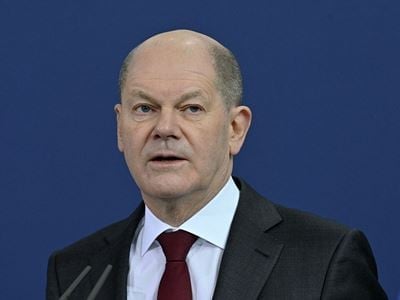
Berlin must change its attitude toward China as the country returns to a more overtly Marxist-Leninist political trajectory, German Chancellor Olaf Scholz wrote in an article for POLITICO and the German newspaper Frankfurter Allgemeine Zeitung.
Scholz defended his trip to China, but stressed that German companies would need to take steps to reduce risky dependence in industrial supply chains, especially in terms of advanced technology. Scholz noted that President Xi Jinping has deliberately pursued a political strategy to make international companies dependent on China.
The outcome of the Communist Party Congress just ended is unequivocal: the recognitions of Marxism-Leninism have a much broader place than in the conclusions of previous Congresses. As China changes, so must our relationship with China, Scholz noted.
He echoed the position of his predecessor, Angela Merkel, insisting that the United States (unnamed but clearly identified) should not drag Germany into a new cold war against Beijing.
Germany, which had such a painful experience of division during the Cold War, has no interest in a new bloc in the world," he wrote. "With regard to China, this means, of course, that this country, with its 1.4 billion inhabitants and its economic power, will play a key role on the world stage in the future - as it has for long periods throughout history. In a slightly veiled criticism of Washington's policies, Scholz said that Beijing's rise does not justify calls by some to isolate China, he added.
He insisted that the goal was not to secede or sever industrial ties with China. However, Scholz said that he takes seriously President Xi's assertion that Beijing's goal is to tighten the dependence of international production chains on China.