make preferable
Germany is heavily dependent on imports of many important raw materials and often relies entirely on other countries to meet demand, according to a study that warns that much of this dependence is linked to "authoritarian regimes," Reuters reported.
The DIW research institute identified 30 raw materials as particularly important and estimated Germany's dependence on imports at 100 percent for 14 of them. Another three had a dependency rate of more than 95 percent, according to DIW.
It classified commodities as critical if they were considered vital, but also at increased risk of supply.
"Russia has shown us drastically this year how dependence on raw materials can be used by autocratic regimes as a means of political pressure and what serious economic consequences this dependence has," said Lukas Menkhoff, head of the DIW's global economics department.
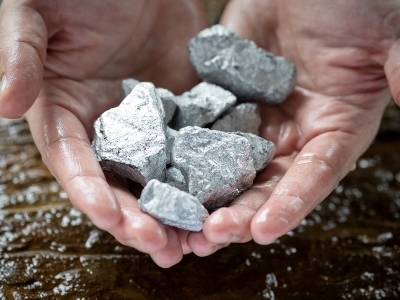
The study showed that in the case of rare-earth elements needed to build electric cars and wind turbines, Germany and the European Union as a whole are more than 90 percent dependent on supplies from China.
In case of rare earth elements, Germany and EU are more than 90% dependent on supplies from China
Topic
Location