make preferable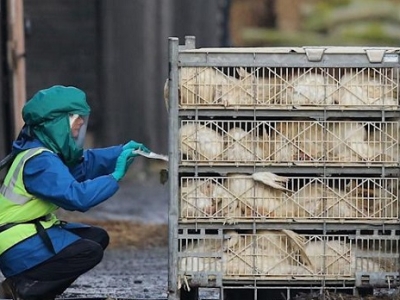
The bird flu outbreak ravaging the world's poultry flocks is now the worst since records began, driving up egg prices, threatening free-range birds and potentially having long-term consequences for animal health, Bloomberg reported.
The bird flu season traditionally begins each October. But this year, cases spread quickly during the warm season, intensifying the spread of the virus and causing mass culling. According to the World Organization for Animal Health, poultry losses since October are nearly 70 percent higher than last year, reaching 16.1 million by Dec. 1. Prior to that, more than 138 million birds were lost in the 12 months through September, more than in the previous five years combined, WOAH reported.
In the U.S., the U.K. and elsewhere, this has raised concerns about seasonal specials like roast turkey for Thanksgiving and Christmas dinner. But poultry meat is a staple of diets around the world, and culling limits the supply of products from eggs to foie gras, exacerbating the food inflation that has hit consumer budgets this year. Since vaccination may still be years away, farmers are sounding the alarm, according to the article.
Animal protein specialist at Rabobank Nan-Dirk Mulder told the agency that global poultry meat production is likely to increase about 1% this year and next, lagging behind historical norms by 2.5%. That leads to higher prices, he added.
At the moment, high prices are supporting poultry farmers, although the risks are rising just as fast. Demand is there, but supply is not. It's an extremely uncertain market, Mulder noted.