make preferable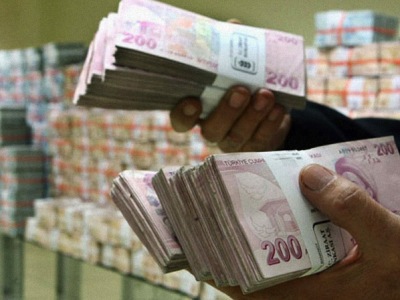
Turkish authorities have announced a 55% increase in the minimum wage amid a cost-of-living crisis that has left millions of people struggling financially.
The move is aimed at mitigating the effects of the rising cost of living, but economists fear that it will lead to a further increase in inflation. The country's official inflation rate is currently at a 24-year high of 84.4 percent.
Turkish President Recep Tayyip Erdogan has said that starting in 2023, the minimum monthly wage will be raised to 8,500 lira ($455). According to Turkish officials, more than 30 percent of Turkey's labor force earns the minimum wage.
Analysts say there is also a political aspect: Turkey's general elections are due in June 2023.
Timothy Ash, an emerging markets strategist at BlueBay Asset Management, told CNBC, “Motive = win the election. Impact = higher inflation.”
The nation's inflation rate slowed for the first time in more than 18 months in November, rising 84.4 percent year-over-year, down slightly from 85.5 percent a month earlier.
“For now, the minimum wage is the highest in Turkey in the last 20 years,” Ragip Soylu, Turkey bureau chief for Middle East Eye, wrote in a tweet. “It will go really well with Erdogan’s core voters as it did in July. He will get some points. However it will be important to see whether the impact would continue until the presidential elections”