make preferable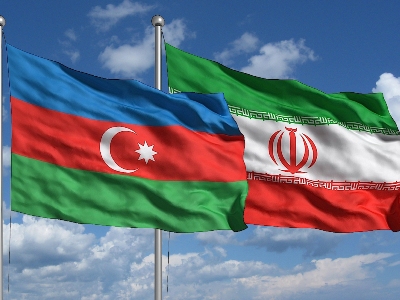
The diplomatic upgrade is one of many fruits of a new push by Jerusalem to bolster and expand ties with countries in Central Asia and the Caucasus, Israeli officials say, The Times of Israel reported.
Sandwiched between Iran, Turkey, Russia, China and the Indian subcontinent, the energy-rich regions sit at key geographical crossroads linking Europe and the Middle East to the Far East.
“We identified an opportunity over the last year,” said Yuval Fuchs, head of the Euroasia and Western Balkans Division at the Foreign Ministry. “There is a meeting of interests.”
These interests revolve around Iran, arms sales, terrorism, and energy.
Though Israel is not the primary player in either Central Asia or the Caucasus, Jerusalem believes that there are unique benefits it can provide to allies that are well-suited to their emerging interests.
Perhaps the most evident sign of this effort is the blossoming relationship with Azerbaijan, a Shiite Muslim-majority secular country that borders Russia, Georgia, Armenia and—of crucial importance for Israel—Iran.
In a conversation with The Times of Israel on Sunday, Parliamentarian Ramin Mammadov hinted that Baku refrained from opening the embassy in the past because of Iranian threats amid high tensions surrounding its war with Armenia.
“During that period, we had to take into account risks which could be from regional powers and other countries,” said Mammadov, a member of Azerbaijan’s interparliamentary friendship group with Israel. “Nowadays, hopefully, major threats to Azerbaijan’s sovereignty are in the past.”
Tensions with Iran have spiked in the aftermath of the 44-day war, with Iran carrying out major military exercises on Azerbaijan’s border and escalating its rhetoric against Baku.
Iran, home to millions of ethnic Azeris, has long accused its smaller northern neighbor of fueling separatist sentiment on its territory.
Days before the embassy vote, Azerbaijan said it arrested five of its nationals for spying for Iran, a week after Baku and Tehran accused each other of hostile statements.
But Mammadov said Baku was no longer taking Iran’s stance into account when considering its deepening ties to Israel.
Azerbaijan’s increasingly strained ties with Iran present an opportunity for Israel, especially in security.
A missive recently sent by Azerbaijan’s interparliamentary friendship group to the Knesset emphasized Israel’s support for Baku in the 2020 Second Nagorno-Karabakh War while hailing the “profound affinity and trust between the peoples.”
But Israel’s more tangible support came from the weapons it provided.
Israel is one of Azerbaijan’s leading arms suppliers. According to the Stockholm International Peace Research Institute, Israel provided 69 percent of Baku’s major arms imports from 2016-2020, accounting for 17% of Jerusalem’s arms exports over that period.
Azerbaijan’s location on Iran’s border makes it an enticing ally for Israel. Foreign reports have indicated that Baku likely allows Israel to use bases on its soil to launch reconnaissance flights over Iran and to send intelligence operatives into the country to disrupt its nuclear program. In case Israel does decide to carry out air strikes on Iranian reactors and plants, access to Azeri bases would make that task far more feasible.
In October, then-defense minister Benny Gantz held an official visit to Azerbaijan, where he met with his Azeri counterpart, Zakir Hasanov, and the country’s President Ilham Aliyev.