make preferable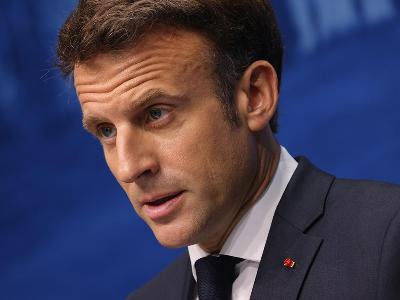
German Chancellor Olaf Scholz and French President Emmanuel Macron pledged on Sunday to drive Europe forward together, as the German leader visited Paris to celebrate 60 years of post-war cooperation despite recent strains, Le Monde reported.
The historic partnership has been under pressure.
But in a speech at the French capital's Sorbonne University, Scholz said upholding strong ties was key for the continent. "The future, like the past, rests on cooperation between both our countries as the driving force of a united Europe," he said. "Let us use our inseparable friendship," he said.
Macron said that "Germany and France, because they cleared the path to reconciliation, must become pioneers to relaunch Europe."
He cited the need to "build a new energy model," encourage "innovation and the technologies of tomorrow," and ensure the European Union is "a geopolitical power in its own right, in defense, space, and diplomacy".
The two leaders were then to take part in a joint cabinet meeting.
The personal relationship between both men has been less than warm since Scholz assumed office in late 2021.
"The Franco-German engine is a compromise machine: well-oiled, but also loud at times and marked by hard work," Scholz said.
Top issues to address include the Ukraine conflict, climate and energy, and European competitiveness faced with a new wave of "buy-American" subsidies in the United States.
Scholz on Sunday pledged continued support to Kyiv.
"We will continue to provide Ukraine with all the support it needs for as long as necessary. Together, as Europeans, to defend our European peace project," he said.
Macron added: “Our unfailing support for the Ukrainian people will continue in every field."
Away from defense, interlinked trade and energy conundrums are hitting both France and Germany.
And leaders across Europe fear distortions in transatlantic trade from the Inflation Reduction Act (IRA), which will pour billions of dollars into American-made, climate-friendly technologies.
Macron is expected to push Scholz Sunday to join a joint response, after securing backing from Spanish leader Pedro Sanchez this week.