make preferable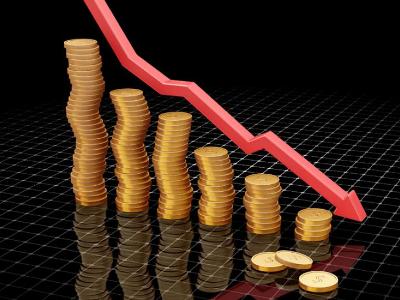
Economic activity in the U.K. private sector fell at the fastest pace in two years in January. Businesses blamed the slowdown on the Bank of England interest rates, strikes and weak consumer demand.
The S&P Global/CIPS Purchasing Managers' Index (PMI) fell to 47.8 from 49.0 in December, the lower end of economists' forecasts in a Reuters poll and the lowest reading since January 2021. A reading below 50 indicates a drop in production.
The drop contrasted with a slight uptick in business activity in the eurozone. The weaker-than-expected PMI reading in January underscores the risk of Britain sliding into recession, said S&P Global chief economist Chris Williamson.
According to official data released earlier this month, the U.K. economy grew in November, reducing the likelihood of two consecutive quarters of output decline - the widely used definition of recession in Europe - in the second half of 2022.
However, the widely expected fall in output this year will put pressure on the Bank of England's Monetary Policy Committee (MPC) as it considers how much more interest rates can be raised on Feb. 2.
Financial markets expect the central bank to raise British rates to 4 percent from 3.5 percent next week to deal with double-digit inflation, and to peak around 4.5 percent later this year.
Treasury Secretary Jeremy Hunt is due to announce his growth stimulus measures on March 15, but data released earlier Tuesday showed an unexpectedly large jump in borrowing in December, limiting his options.
Economists say the U.K. economy is losing momentum, while its counterparts in the European Union seem to be gaining momentum.
The pound is down about 0.5 percent against the euro and the dollar.
The UK is also in the midst of a wave of strikes as railroad workers, nurses, ambulance drivers and teachers seek wage increases.
PMI data showed that prices charged by businesses rose at the slowest pace since August 2021, though growth was still steep by historical standards.