make preferable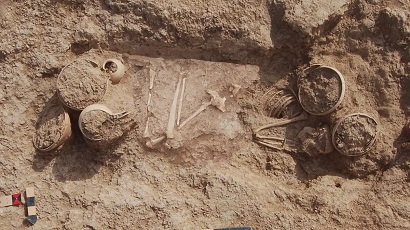
An archaeological expedition led by Dr. Ali Vahdati has discovered the richest known Bronze Age grave in the region at the Tepe Chalow site in Iran, Heritage Daily reports.
The grave, identified as Grave 12, belonged to a young woman no older than 18 and contained 34 luxurious items made of gold, chlorite, lapis lazuli, ivory, and bronze.
Among the finds are decorative cosmetic vessels with images of snakes and scorpions, a bronze seal with a motif of a hand holding a rosary, as well as gold rings and earrings. These seals may indicate the active participation of this young woman or her family in the trade network of the ancient culture known as the Greater Khorasan Civilization (GKC).
The GKC culture, which existed in the late 3rd and early 2nd millennia BC, covered the territories of modern-day Iran, Turkmenistan, Afghanistan, and Uzbekistan, and actively traded with Mesopotamia, the Indus Valley Civilization, and the Persian Gulf.
Also, Grave 12 demonstrates the burial method typical of this region: the body was laid on its right side, the hands were clasped to the face, the bones were oriented southeast, and the vessels were located behind the head and under the feet.
Scholars believe that the rich burial assemblage testifies to the high social status of the aforesaid young woman and the possible progressive views on the role of women in GKC society. The discovered objects reflect the high craftsmanship of the Bronze Age and the trade ties of the region.
The grave reveals as well the participation of women in the ancient economic and social structure of the GKC. The find confirms that the cultural influence of the Bactria–Margiana Archaeological Complex (BMAC) had spread far beyond previously known areas.