make preferable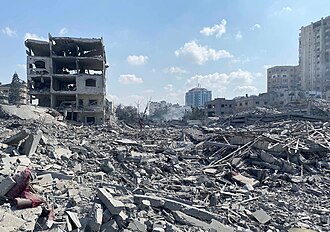
The World Health Organization (WHO) reported on Thursday that, since the ceasefire agreement came into effect, the flow of aid into Gaza has increased only slightly, and there has been no noticeable reduction in hunger, according to Agence France-Presse.
“The situation remains catastrophic because what is coming in is not enough,” WHO Director-General Tedros Adhanom Ghebreyesus told reporters at the UN health agency’s headquarters in Geneva.
Since the ceasefire on October 10 between Israel and Hamas, brokered by the United States, hunger has not eased due to insufficient food supplies, he warned.
During the conflict, Israel repeatedly cut off aid to Gaza, worsening the already dire humanitarian conditions. The UN has stated that this caused famine in parts of the Palestinian territory. Under the U.S.-brokered agreement, 600 trucks per day are allowed to enter Gaza, but according to Tedros, currently only 200–300 trucks per day are getting through.
“And a significant portion of these trucks is commercial,” he said, noting that many residents lack the means to buy goods. “This reduces the number of people receiving aid.”
The WHO chief welcomed the maintenance of the ceasefire despite violations but warned: “The crisis is far from over, and the needs are immense.”
“Although aid flows have increased, they still represent only a fraction of what is needed,” he added.
Gaza’s healthcare system was devastated during Israel’s two-year war against the territory.
“There are no fully functioning hospitals in Gaza, and only 14 of 36 hospitals are operational. There is a severe shortage of essential medicines, equipment, and healthcare workers,” Tedros said.
Since the ceasefire, WHO has sent more medicine to hospitals, deployed additional emergency teams, and is seeking to expand medical evacuations. Ghebreyesus warned that the total cost of rebuilding Gaza’s healthcare system will be at least $7 billion.