make preferable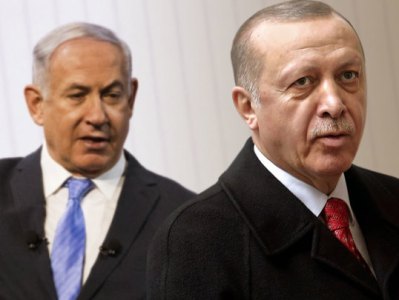
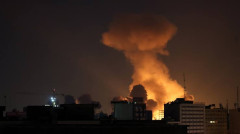
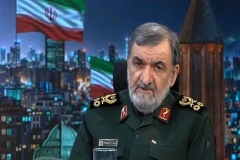
The death of Iran's Supreme Leader and the ongoing US-Israeli strikes have made the future of the Islamic Republic far less predictable. However, one consequence is already taking shape: this war is intensifying hostility between Turkey and Israel, pushing them toward a long-term confrontation, writes Brookings Institution expert Asli Aydintasbas.
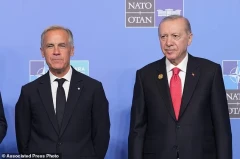
This was clear from Turkish President Recep Tayyip Erdogan's initial reaction. He accused Netanyahu of provoking the conflict and called Israel's strikes "provocations," making no mention of the US military's role. Ankara prefers to believe that Trump was drawn into the war by Israel, which decided to redraw the Middle East.
Turkey does not want a new war on its borders and will quietly work with the Trump administration and regime representatives to find a path toward de-escalation — not out of sympathy for Tehran, but out of concern over the consequences. Iran and Turkey are historical rivals, and the Turks have long been concerned about Iran's nuclear ambitions, missile capabilities and proxy network. However, Turkish authorities also fear that the war will lead to prolonged instability — including refugee flows, trade and energy disruptions, and the possibility that internal chaos in Iran could create new opportunities for PKK-linked Kurdish autonomy. Turkey does not consider regime change a realistic scenario.
Ankara's deeper concerns are geopolitical. Turkey prefers a familiar Iran to a post-war order shaped to a greater degree by Israel. In Turkish perception, US and Israeli goals differ: Trump is seen as a pragmatic actor who may declare a quick victory and return to nuclear diplomacy, while Israel is viewed as pursuing a broader goal — ideological transformation, a fragmented Iran, and a Middle East organized around Israeli military supremacy. This will inevitably clash with Turkey's interests and its aspirations for regional influence.
This is why Turkey and Israel are increasingly trapped in a security dilemma, viewing each other's gains as a direct threat and accusing each other of "neo-Ottomanism" and pursuit of "Greater Israel" respectively. Their rivalry has already intensified over Gaza and Syria. Now the prospect of a regional order shaped under Israeli leadership will intensify it further. Ankara may stay out of the war itself — but managing its rivalry with Israel and conducting diplomatic dialogue with Washington over what comes next will become far more difficult.