make preferable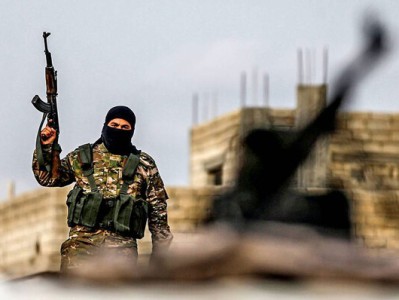
The CIA is working to arm Kurdish forces with the goal of igniting a popular uprising in Iran, several sources familiar with the plan told CNN.
The Trump administration is actively negotiating with Iranian opposition groups and Kurdish leaders in Iraq about providing them military support. Iranian Kurdish armed groups have thousands of fighters operating along the Iran-Iraq border, primarily in Iraqi Kurdistan. Since the war began, several such groups have issued public statements hinting at imminent action and urging Iranian soldiers to defect. The IRGC has been striking Kurdish groups and on Tuesday claimed to have attacked Kurdish forces with dozens of drones.
CIA support for Iranian Kurdish groups began several months before the war, one source and a senior Iraqi Kurdistan government official said. On Tuesday, Trump spoke with KDPI President Mustafa Hijri, according to a senior Iranian Kurdish official. Kurdish opposition forces are expected to participate in a ground operation in western Iran within the coming days.
"We believe we have a big opportunity right now," a source said, adding that the militias are counting on US and Israeli support.
The idea, one participant in the discussions said, is for Kurdish armed forces to engage Iranian security forces and tie them down, making it easier for unarmed Iranians in major cities to take to the streets without risk of mass crackdowns. Another US official noted that Kurds could help sow chaos and stretch Iranian regime military resources. Ideas about whether Kurds could seize and hold territory in northern Iran, creating a buffer zone for Israel, were also discussed.
On Wednesday, Iraqi National Security Adviser Qasim al-Araji said Iraq would not allow groups to "infiltrate or cross the Iranian border to commit terrorist acts from Iraqi territory."
Hegseth, asked about US support for Kurds, told reporters that "none of our objectives are based on arming any particular force."
However, US intelligence assesses that Iranian Kurds currently lack sufficient influence and resources for a successful uprising. Kurdish parties are also awaiting political guarantees from the Trump administration before joining any resistance. The groups are fragmented, have a history of tensions, differing ideologies and competing interests.
"This may not be as simple as convincing a proxy force to fight in America's interests," one Trump administration official said. "These groups think about their own interests first, and the question is whether their involvement aligns with those interests."
A senior Iraqi Kurdistan government official captured the uncertainty: "One day Trump says we will topple the regime, the next day he says something different. The policy is not clear." He added that while Kurdish people overwhelmingly oppose the Islamic Republic, "they are also afraid of being abandoned again."