make preferable
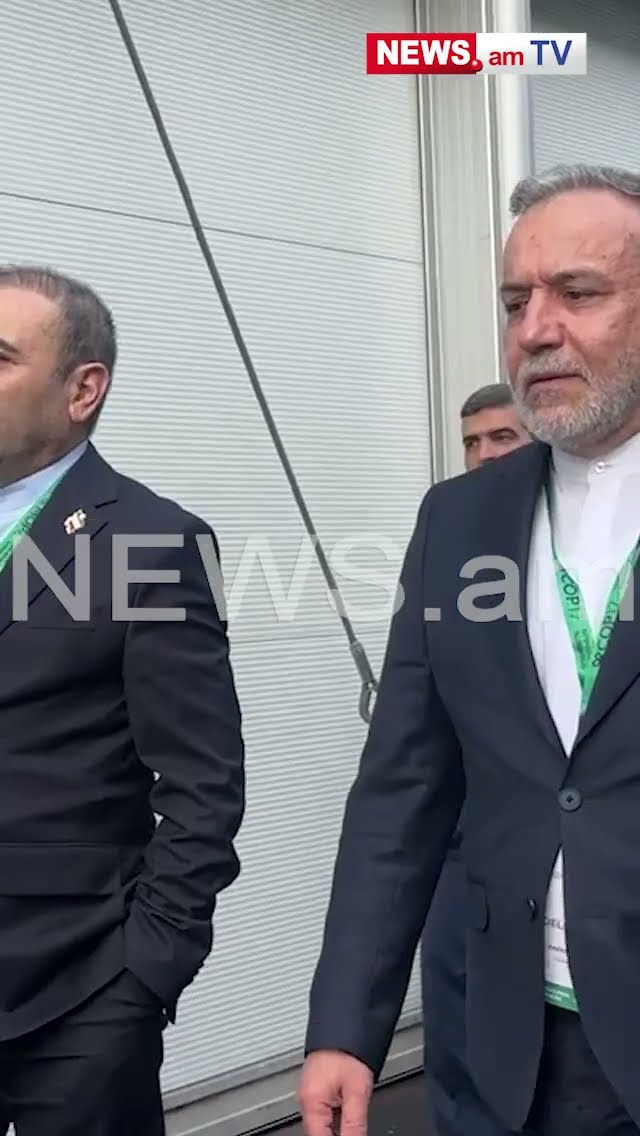
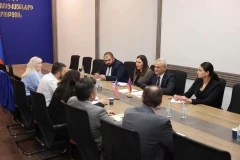
On April 8, the Blue Mosque in Yerevan hosted a professional symposium titled "Targeting Historical Heritage: War Crime and Cultural Terrorism." The event was attended by the Extraordinary and Plenipotentiary Ambassador of the Islamic Republic of Iran to Armenia, Khalil Shirgholami.
Before the symposium, a ceremony was held in the ambassador's presence, marking the donation of two medieval tombstones to the mosque — a gift from the Armenian Research Center for Historical and Cultural Heritage. Both monuments date to the 19th–20th centuries and bear Persian epitaphs. Their presentation to the Blue Mosque carries particular symbolic weight: the 18th-century architectural landmark stands as one of the most eloquent testaments to the centuries-long cultural dialogue between the two nations.
The central theme of the symposium was the deliberate destruction of historical and cultural monuments in the course of the military assault on Iran by Israel and the United States, now ongoing for more than a month. Historians, Iranian studies scholars, and cultural heritage specialists discussed the significance of such sites in the 21st century, shared Armenian-Iranian heritage, and specific monuments damaged as a result of the strikes.
In his welcoming address, Ambassador Shirgholami stressed that on the very first day of the attack, the country's spiritual leader and one of its historic schools were targeted. "The aggressor deployed a whole arsenal of war crimes against us. The people of Iran — a people who have created civilization and cultural heritage — stood up to defend it from the very first moment, organized their own defense, and ultimately forced the enemy to retreat," the diplomat stated.
Addressing the legal dimension, the ambassador invoked the norms of international humanitarian law and the conventions protecting cultural property during armed conflict. Participants of the symposium agreed: the destruction of cultural heritage sites in wartime is not collateral damage — it is a crime in its own right, aimed at erasing the historical memory and identity of entire peoples.