make preferable
Experts are sounding the alarm: Armenia's main water resource, Lake Sevan, is in danger. The wastewater being discharged into the lake, excess nitrogen and phosphorus, as well as climate change are threatening the ecological balance of Lake Sevan. Over the past hundred years, the temperature in the Sevan basin has risen by almost 2 degrees Celsius, which has led to an increase in natural evaporation.
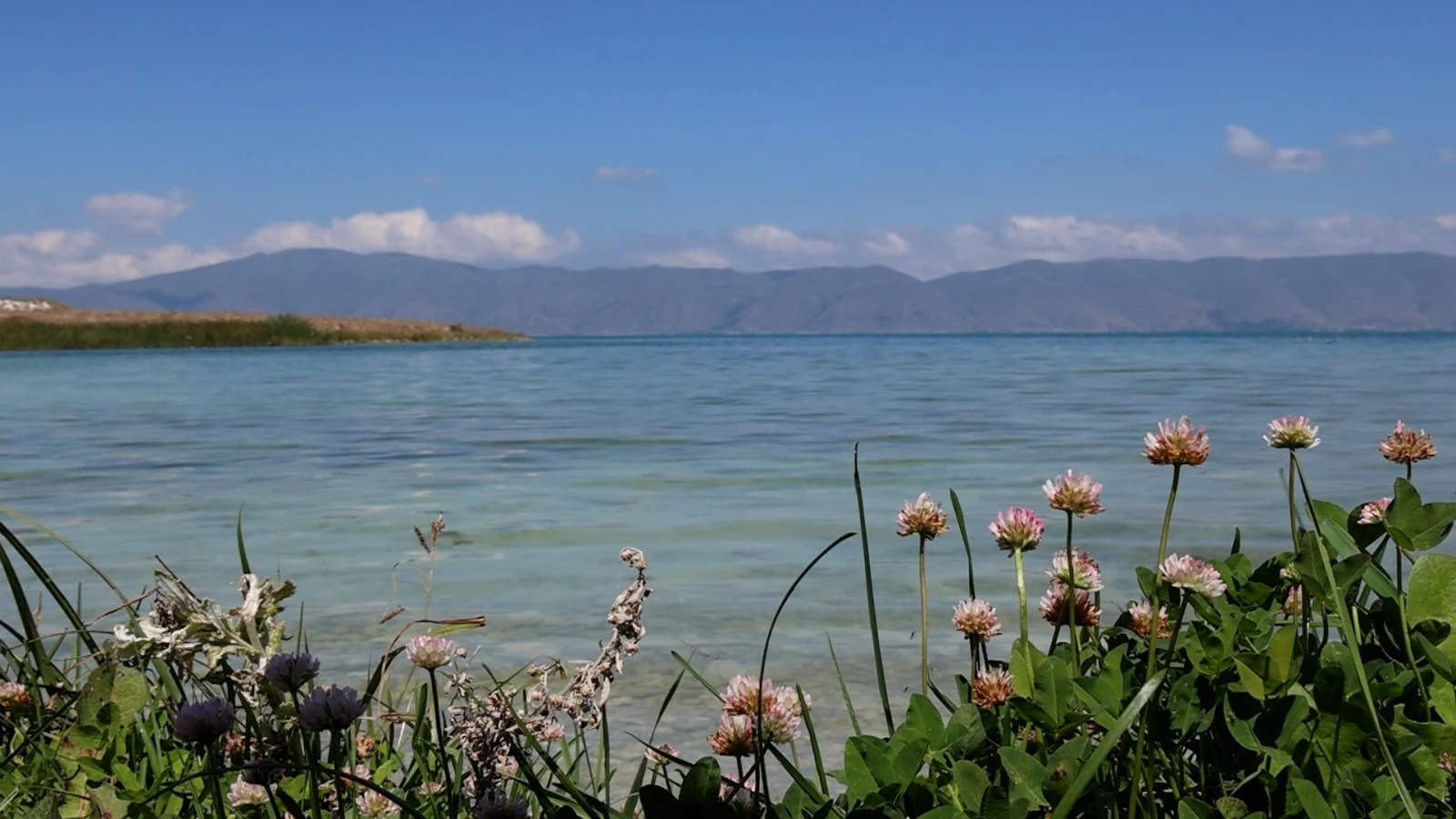
“The reduction in water quantity inevitably leads to water quality problems, which are increasingly aggravated due to various untreated waters flowing into Sevan,” said Vardan Karapetyan, project manager at the Asian Development Bank (ADB) Resident Mission in Armenia, at a press briefing, noting that the sources of this pollution are diverse and include municipal and domestic water discharged from households, as well as industrial and agricultural wastewater.
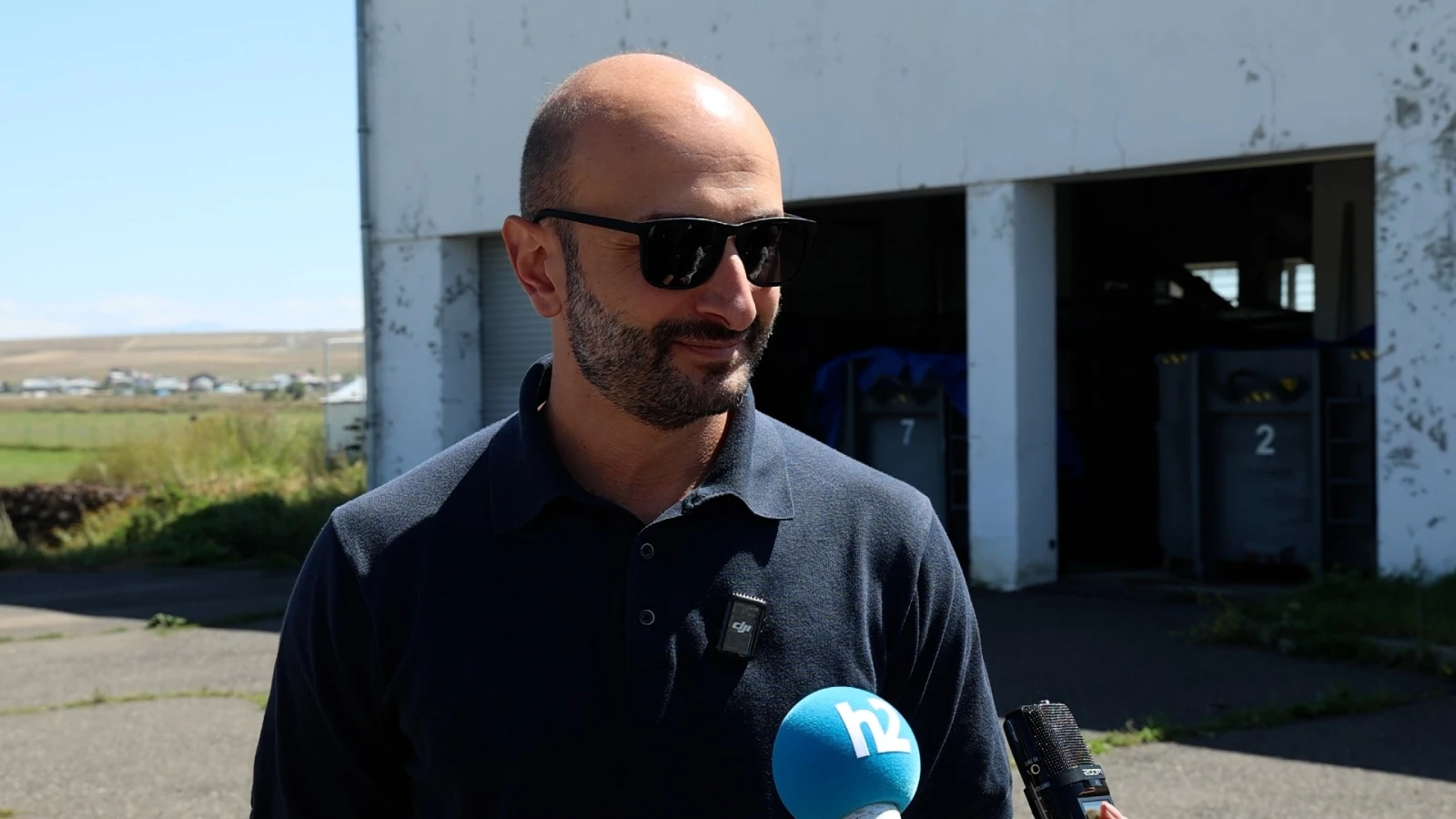
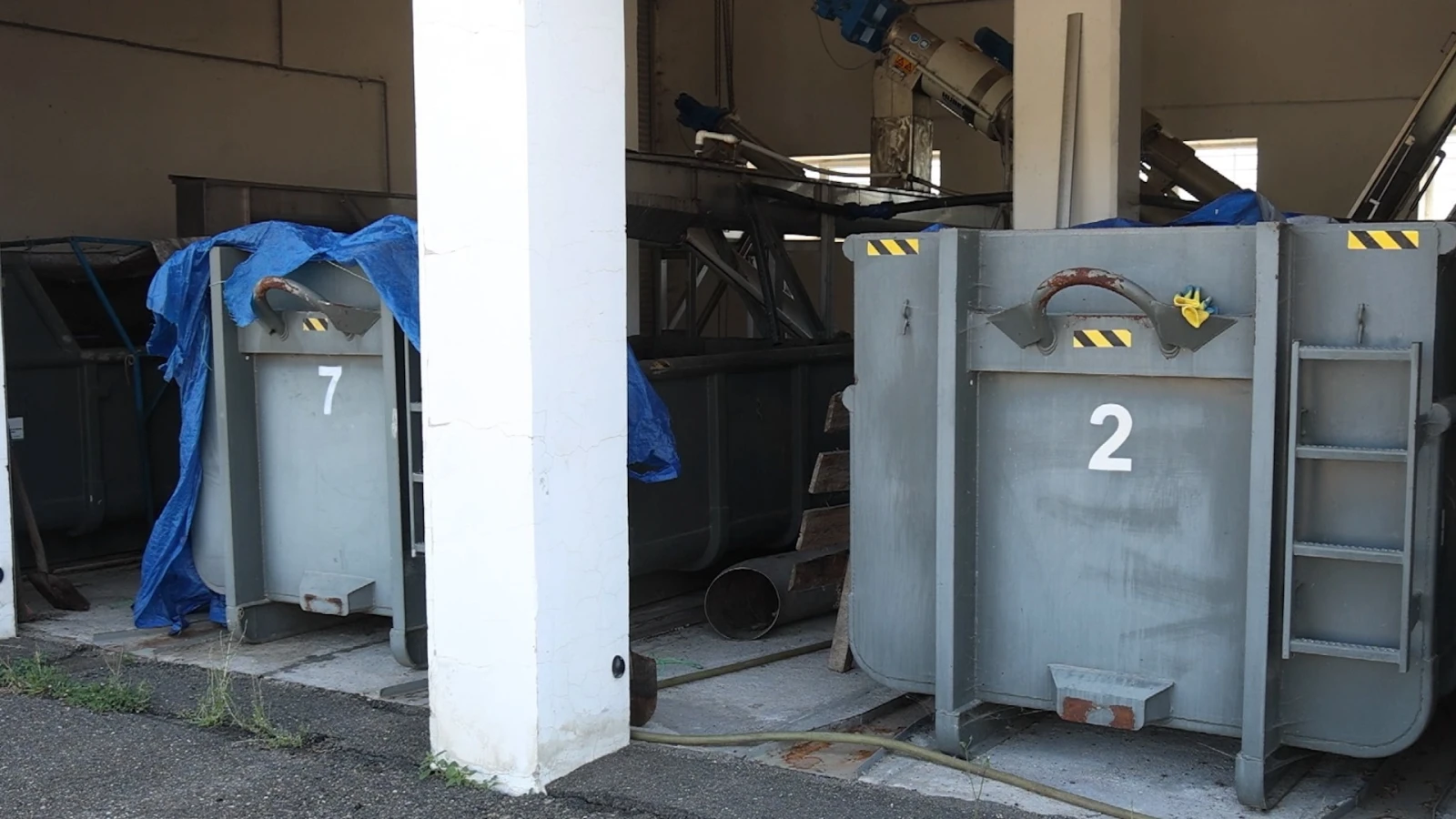
In order to exclude the entry of wastewater into Lake Sevan, the ADB, in cooperation with the government of Armenia, has developed a program within the framework of which the treatment plants of Gavar, Martuni, and Vardenis towns will be modernized.
“At the Asian Development Bank, of course, we have previously conducted a number of studies, analytical work, and assessments to determine why it is important to clean Lake Sevan, why it is necessary to make investments in the development and improvement of infrastructure. And now we are at a very important stage, when we are moving from studies to real actions. These studies are already turning into clear programs and investment projects aimed at cleaning Lake Sevan,” said Lyaziza Sabyrova, Country Director for the ADB Resident Mission in Armenia.
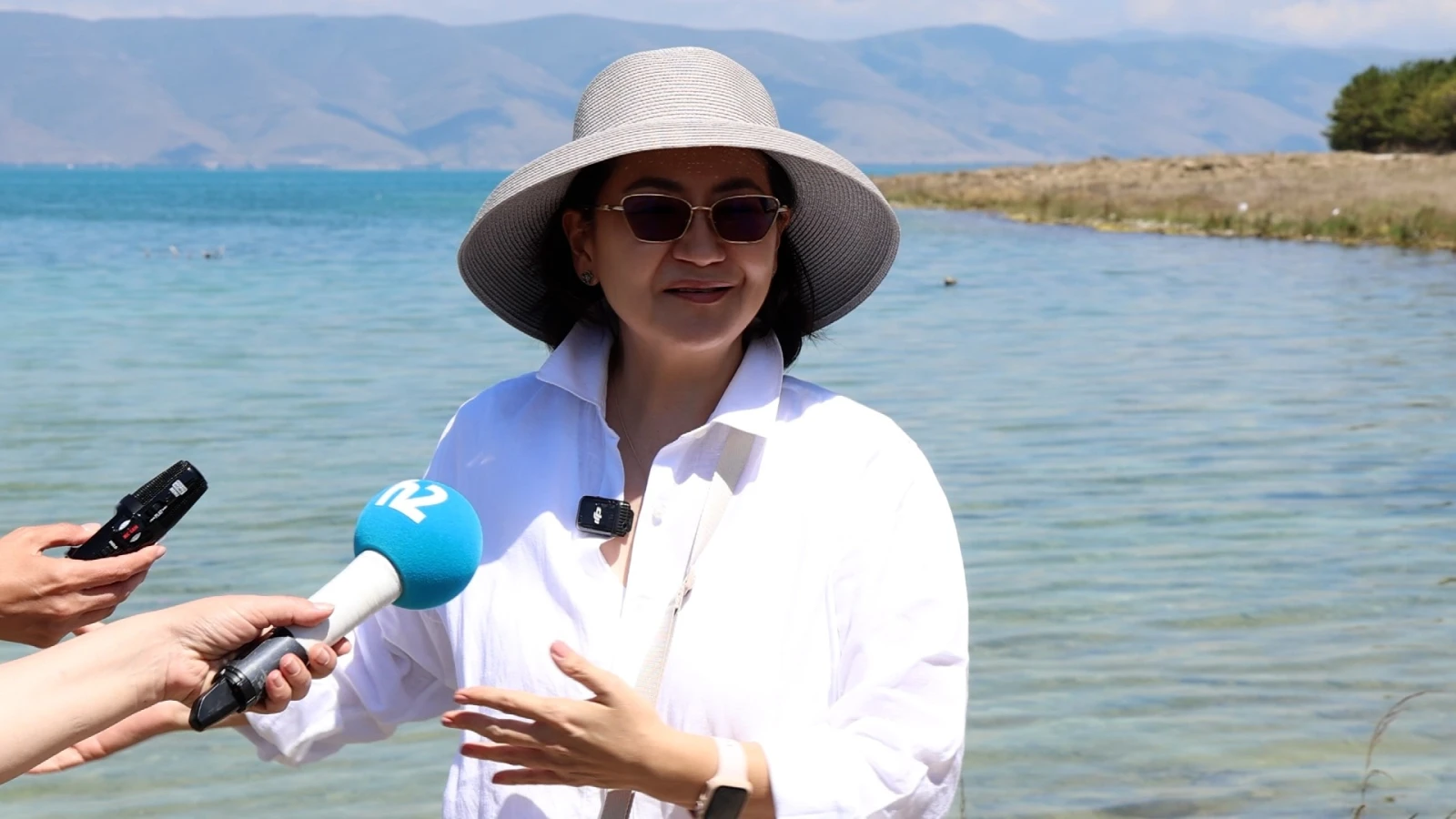
The first phase of this program will involve the modernization of mechanical treatment plants, after which the wastewater being discharged into Lake Sevan will also undergo biological treatment. As a result, the amount of phosphorus being discharged into the lake may decrease by up to 70 tons annually, thus reducing the risk of Sevan “blooming.”
The total cost of this investment program is $260 million. It is currently in the design phase, and the investment package for the first phase has already been approved.
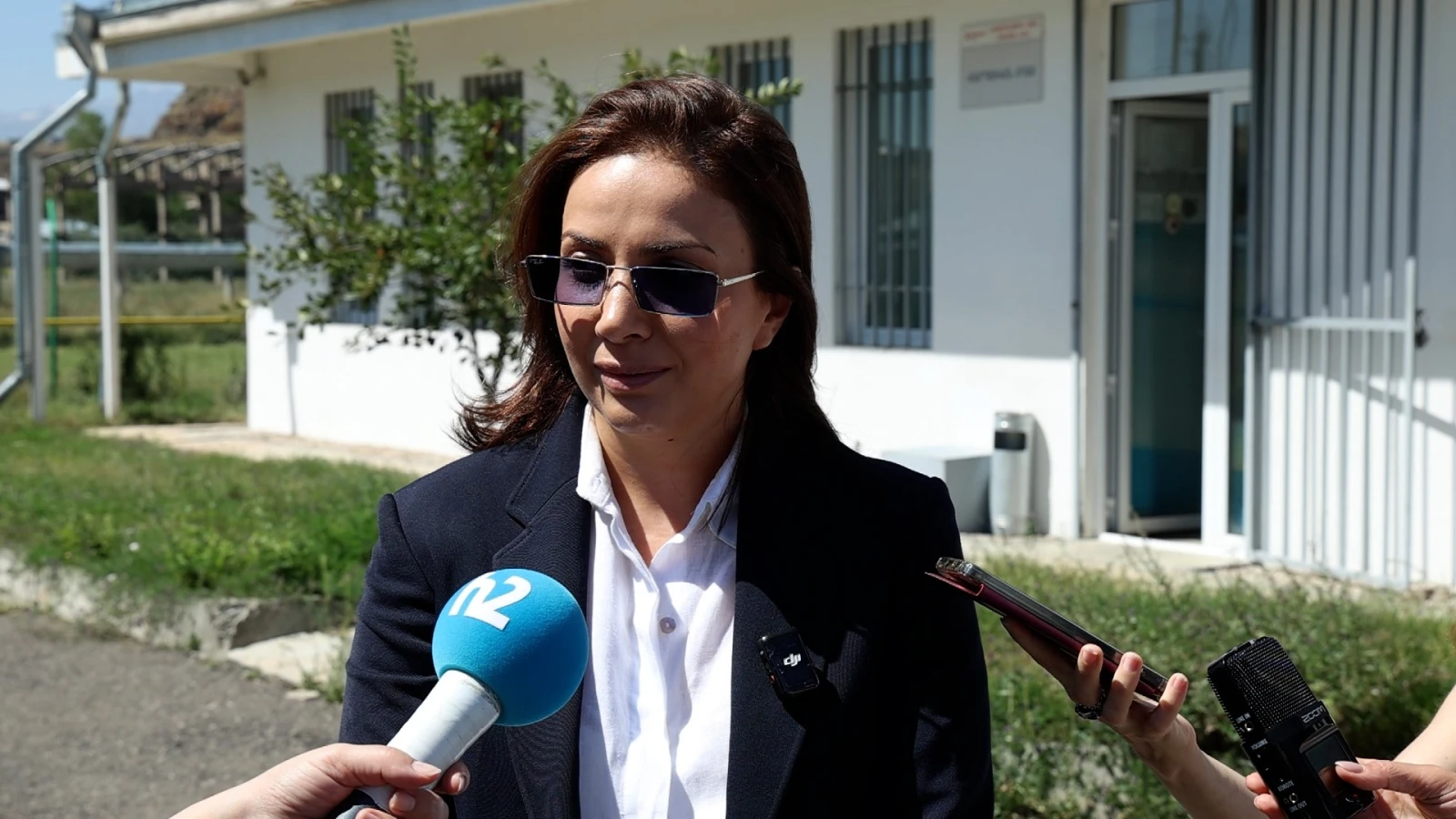
“There are many sectoral issues, and we are glad that we have partners, as a result of whose flexibility, efforts, engagement, and joint work we are implementing such a large program,” said Nvard Vardanyan, Deputy Chairperson of the Water Committee of Armenia, noting that this program is not only an institutional reform, but also a sustainable and long-term structural change.