make preferable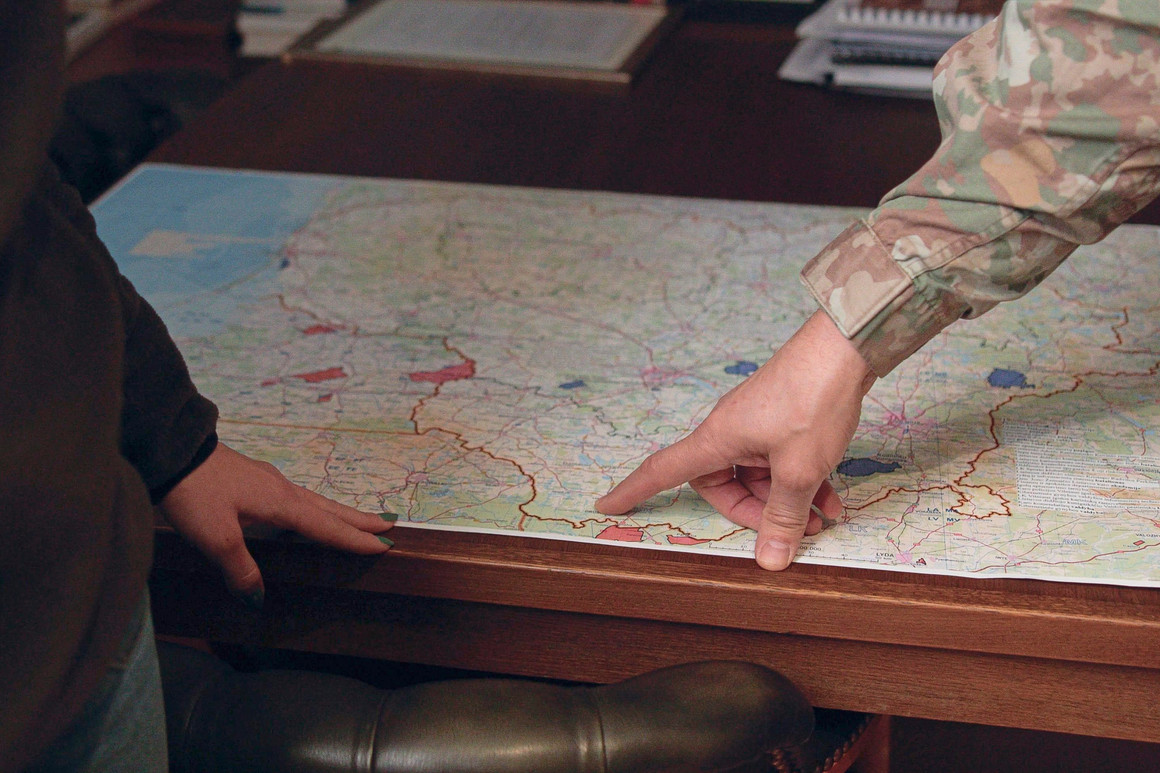
Europe is rapidly reinforcing NATO’s eastern border amid the growing threat from Russia and uncertainty over the United States’ role in the alliance, Politico writes.
From Finland to the Baltic states, the region is restructuring its defenses around a scenario in which it would have to withstand the first days of a possible conflict on its own.
Finland sees itself as the best prepared for such a scenario. The country maintains a system of comprehensive defense, a mobilization reserve of nearly 870,000 people, and relies on “total defense,” which includes both the military and civilian infrastructure. Despite joining NATO, Finnish military officials emphasize that in the event of a crisis, the country may have to absorb the first blow alone. Its geography — forests, lakes, and a harsh climate — is viewed as a key defensive advantage. At the same time, Finland is strengthening its armaments, purchasing equipment, and bringing the use of mines back into its defense doctrine.
Poland is building the largest fortification system on NATO’s eastern flank. The East Shield project includes fortifications, anti-tank barriers, drones, sensors, and defensive lines along the borders with Kaliningrad and Belarus.
Warsaw is also developing a counter-drone system and increasing defense spending to nearly 5% of GDP. At the same time, a significant portion of the infrastructure is still in the planning or deployment stage, and in some border sections fortifications are absent or only minimally present.
The Baltic states — Lithuania, Latvia, and Estonia — consider themselves NATO’s most vulnerable sector because of their small size and geography. Their defense strategy is built on two elements: slowing a possible Russian advance and ensuring the rapid arrival of allies. To this end, the Baltic Defense Line is being created with anti-tank obstacles, fortifications, and mining plans, while multinational NATO forces are also being stationed there, including a future permanent German brigade in Lithuania.
The eastern flank’s overall strategic calculation is based on the idea of “delay”: the fortifications are meant not to stop an advance completely, but to buy time for alliance mobilization and the transfer of reinforcements. At the same time, experts and military officials acknowledge that without the United States, Europe still lacks sufficient capabilities for independent defense, especially in intelligence, long-range strikes, and nuclear deterrence.
Against this backdrop, debate over NATO’s future is intensifying. Some experts warn that a reduced U.S. role could lead to a redistribution of responsibilities within the alliance and, in the worst case, to a crisis of its unity. However, officials in the eastern flank countries stress that they view NATO as a functioning system of collective defense that is already adapting to new risks.
The main conclusion of the Eastern European countries is this: they no longer count on guaranteed rapid American intervention and are preparing for a scenario in which Europe’s own forces would have to endure the first critical days of a potential conflict.