make preferable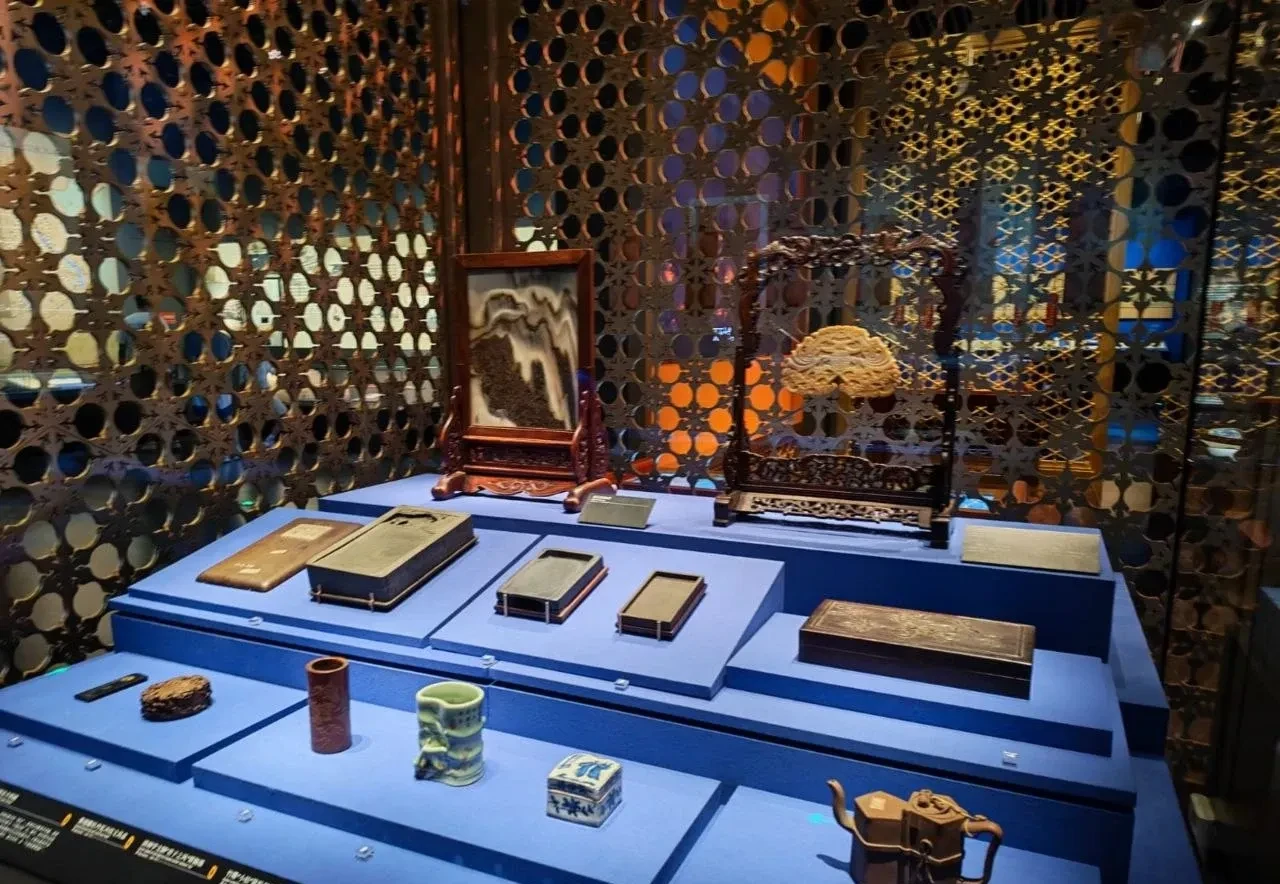
Paruyr Sinyavsky and Maria Asatryan reporting from Beijing
Beijing’s Grand Canal Museum, popularly known as the “Grand Canal Boat,” is not just an exhibition hall, but a true gateway to the past. It is dedicated to the history and cultural heritage of the Grand Canal, a massive engineering structure that has connected northern and southern China for centuries. The museum, which is the eastern branch of the Capital Museum, is located in Tongzhou, Beijing’s sub-district where history literally flows through the city’s veins.
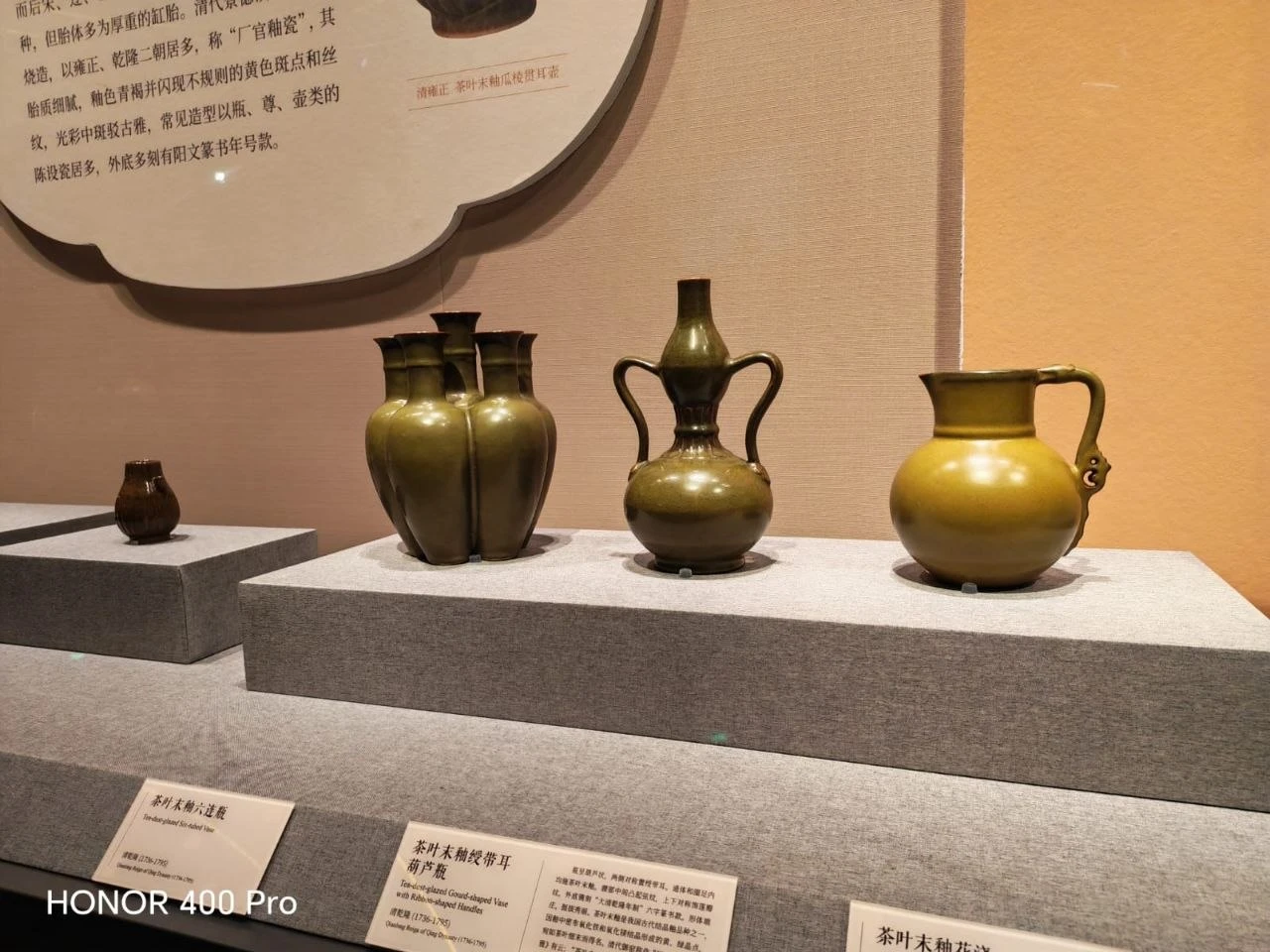
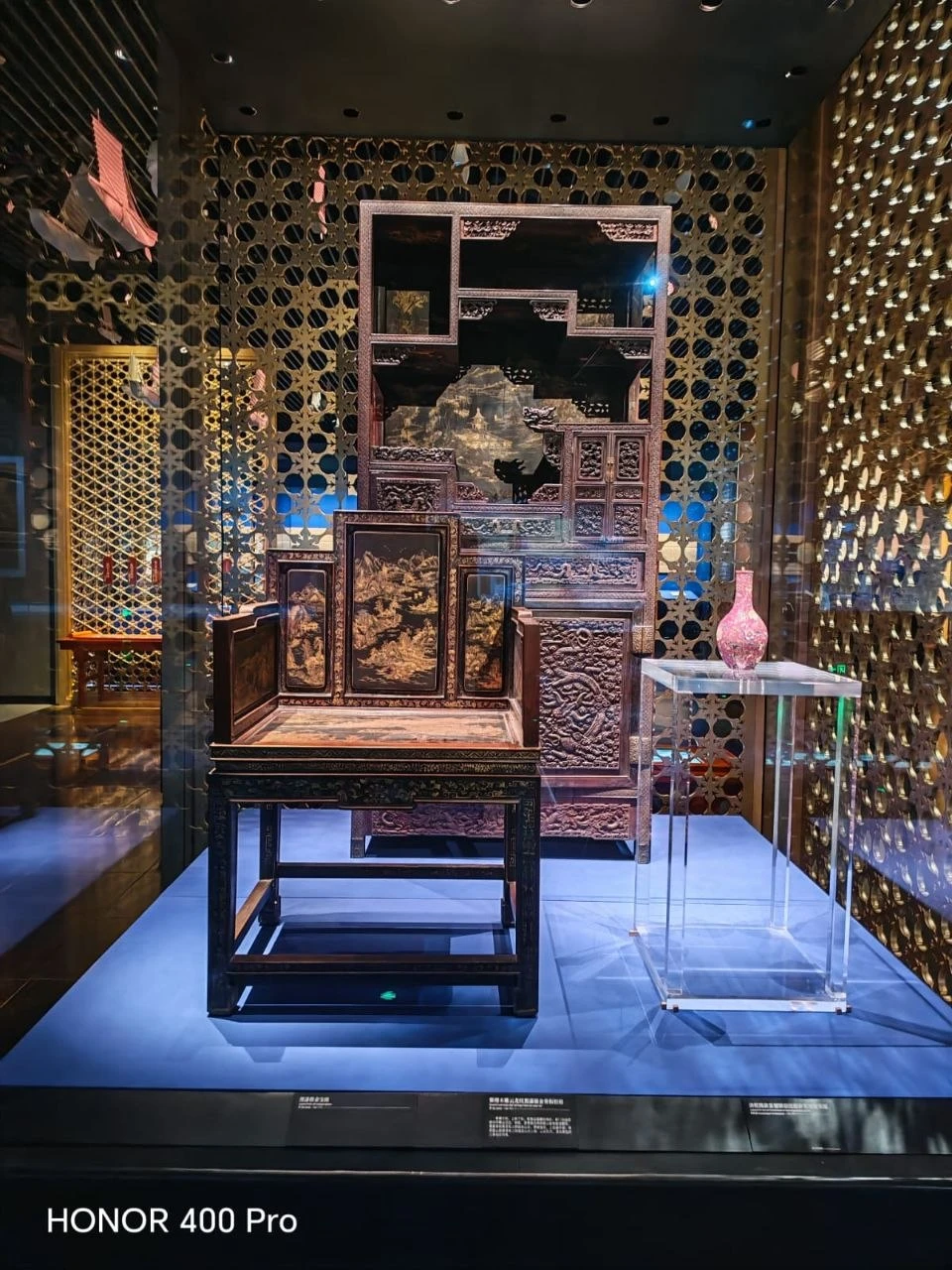
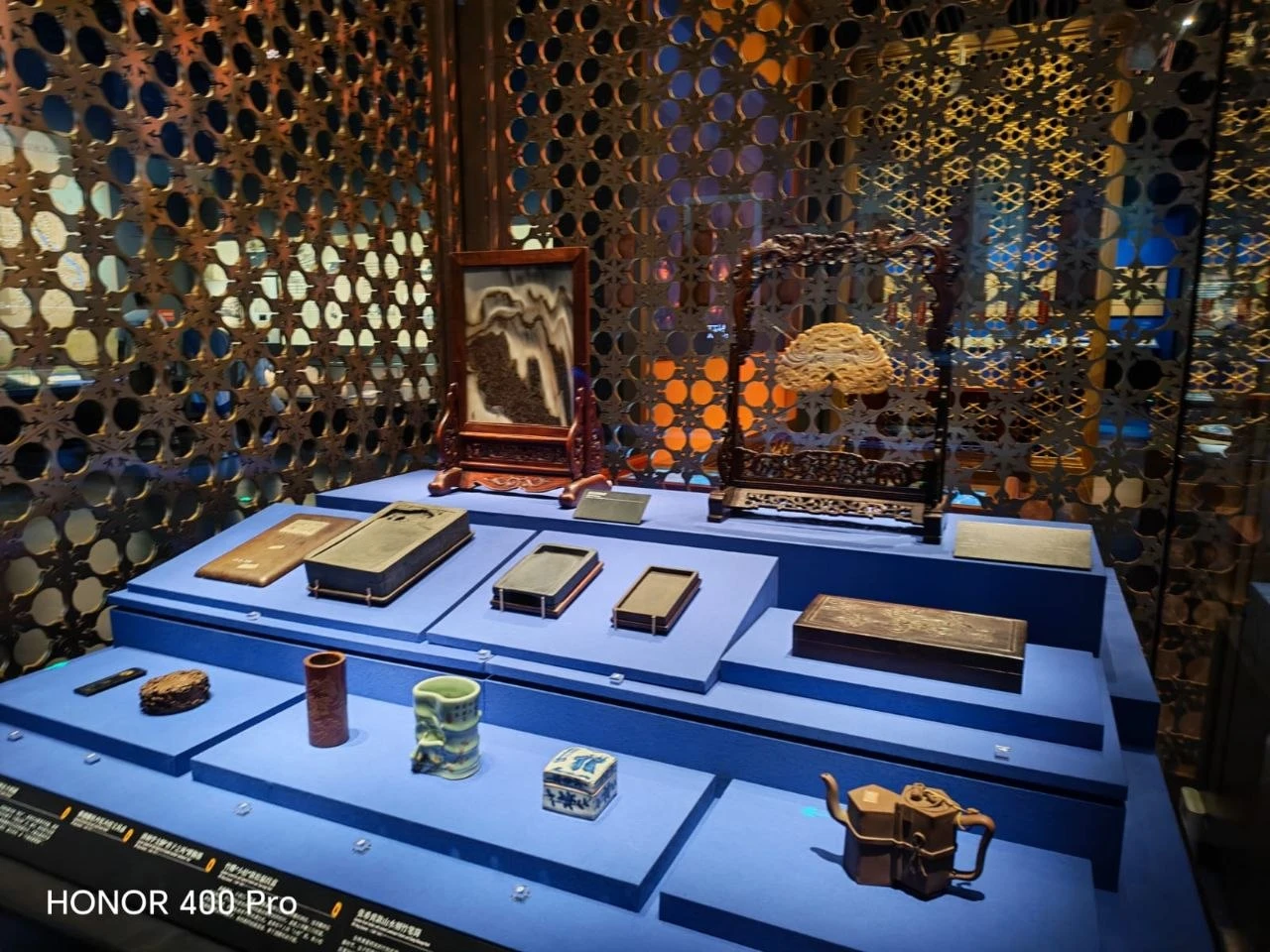
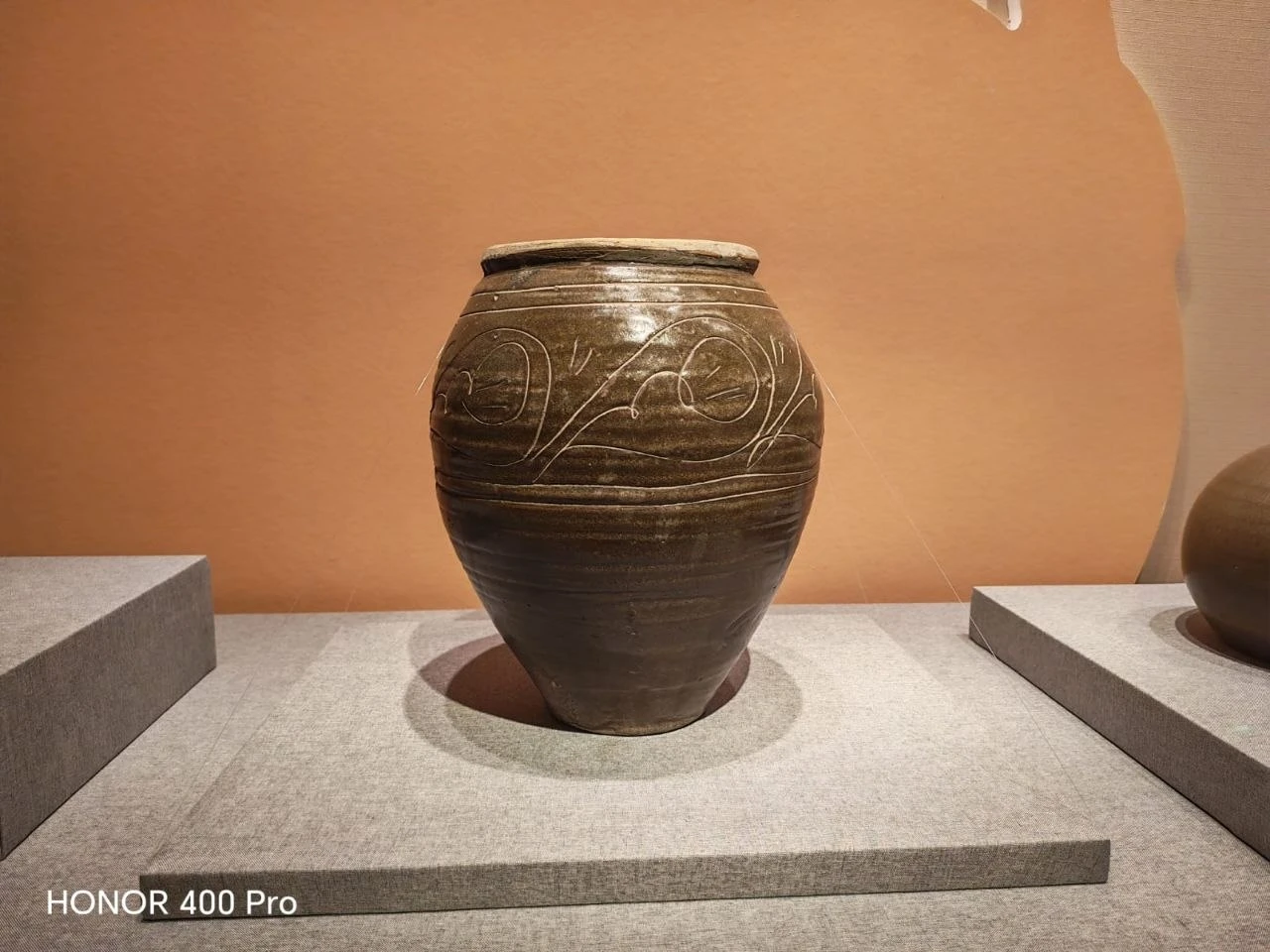
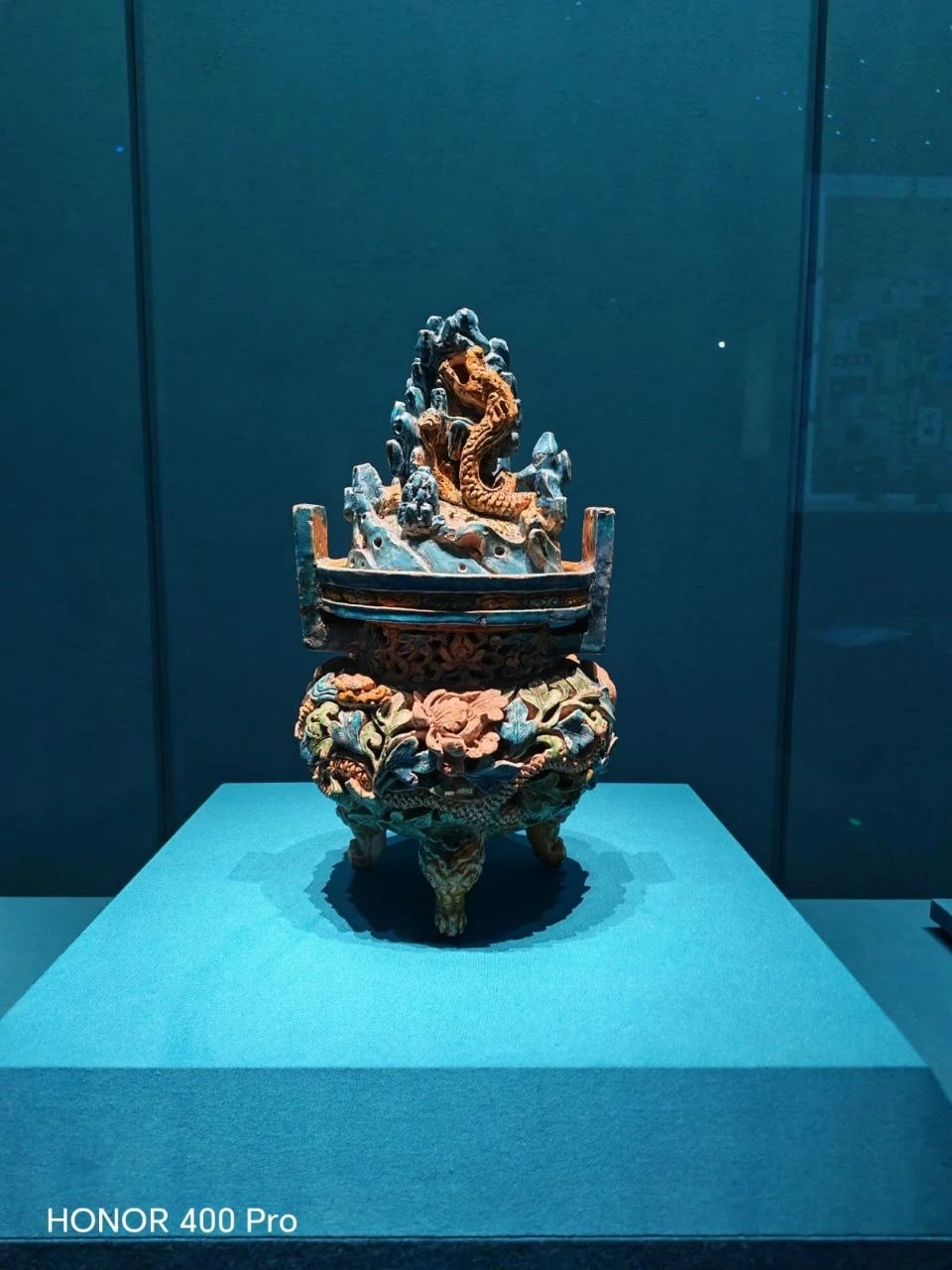
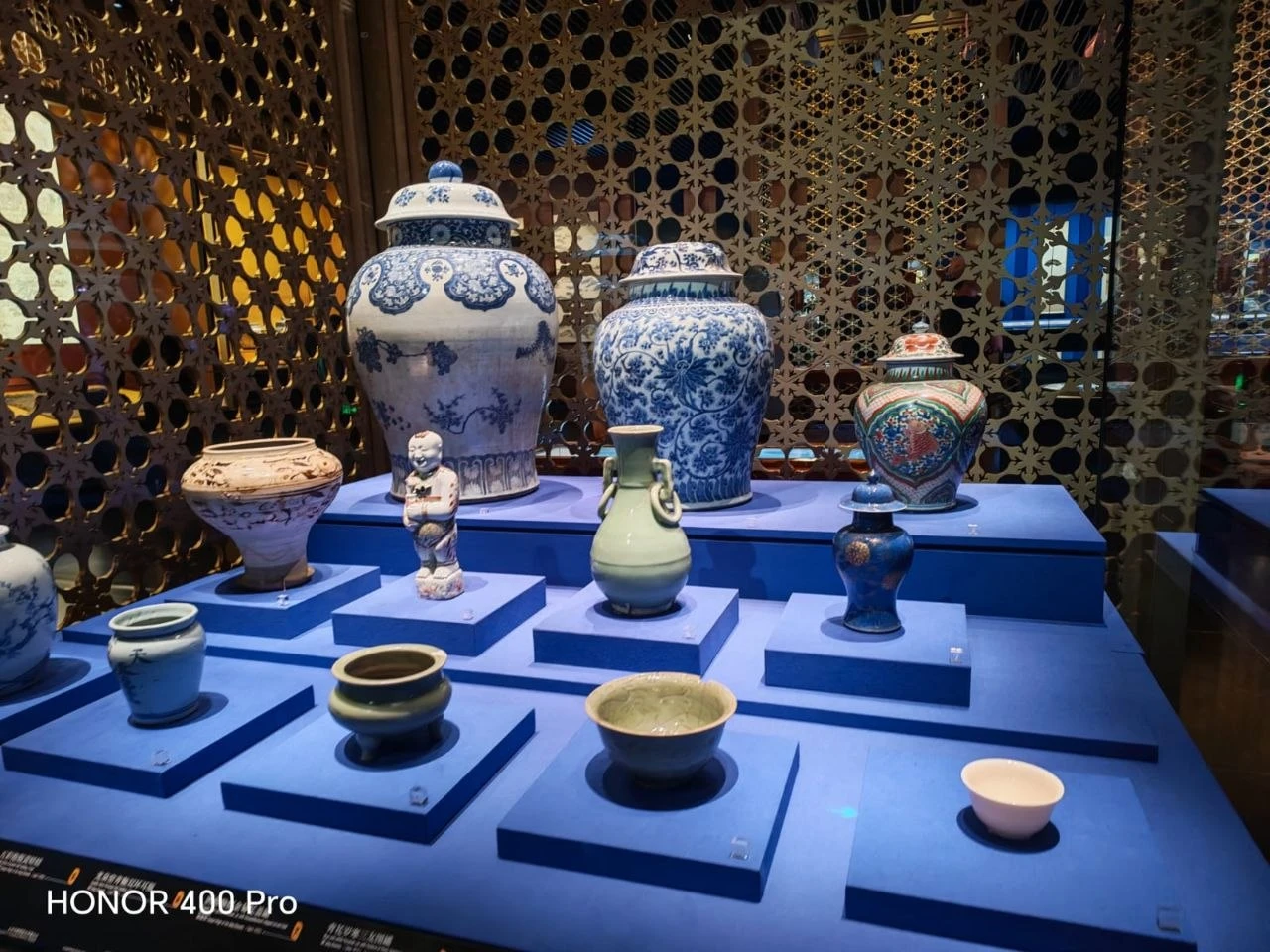
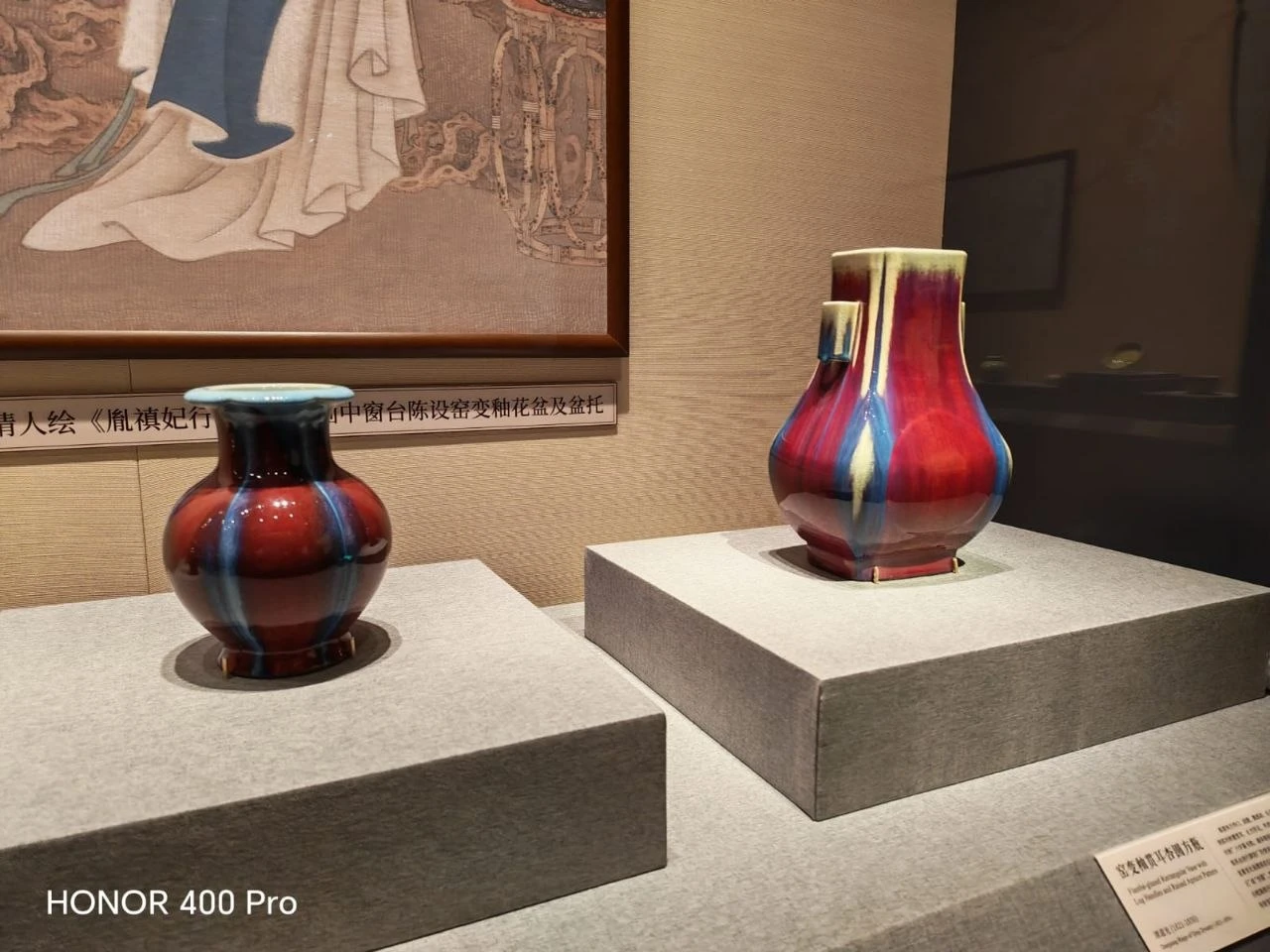
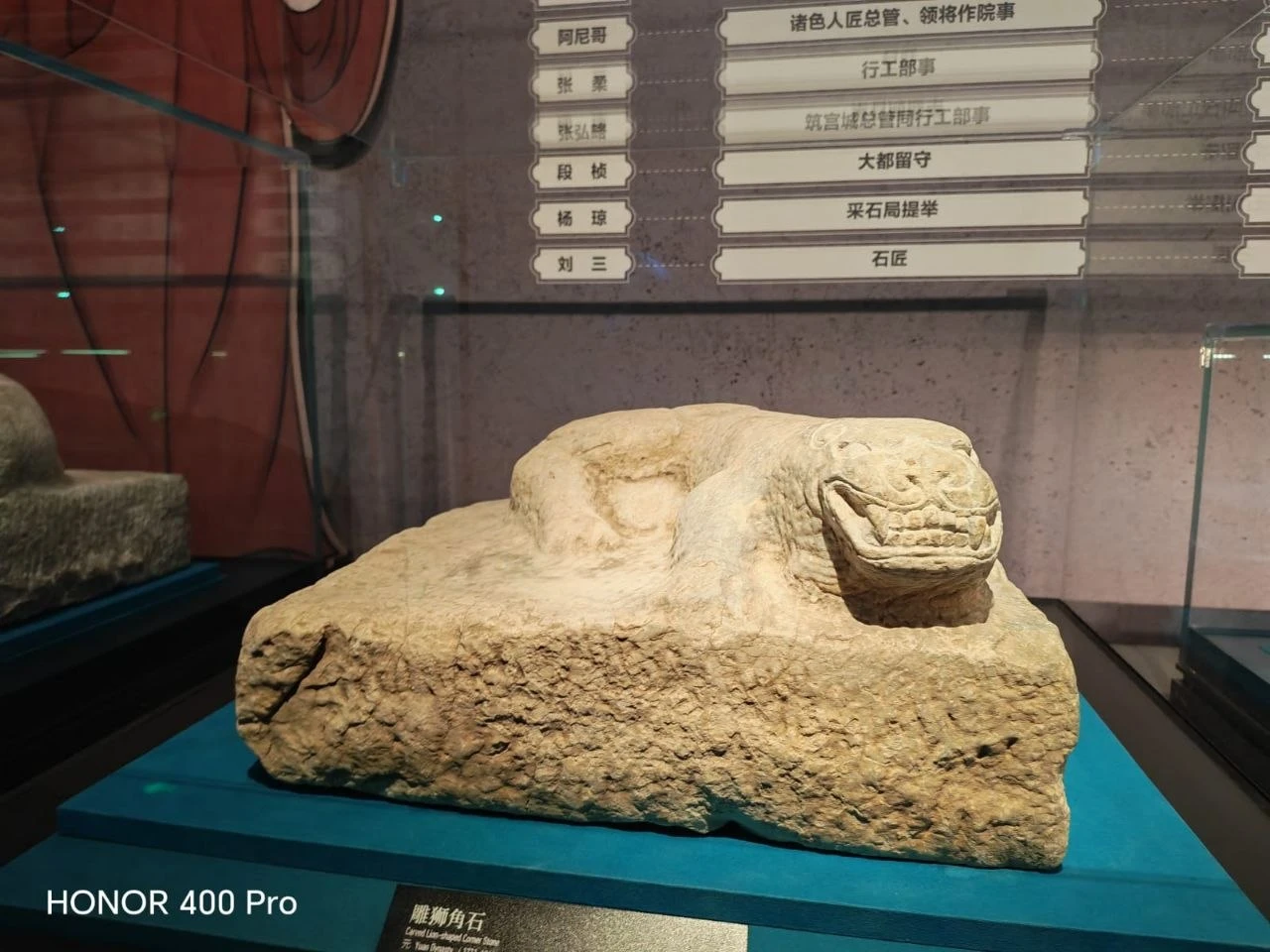
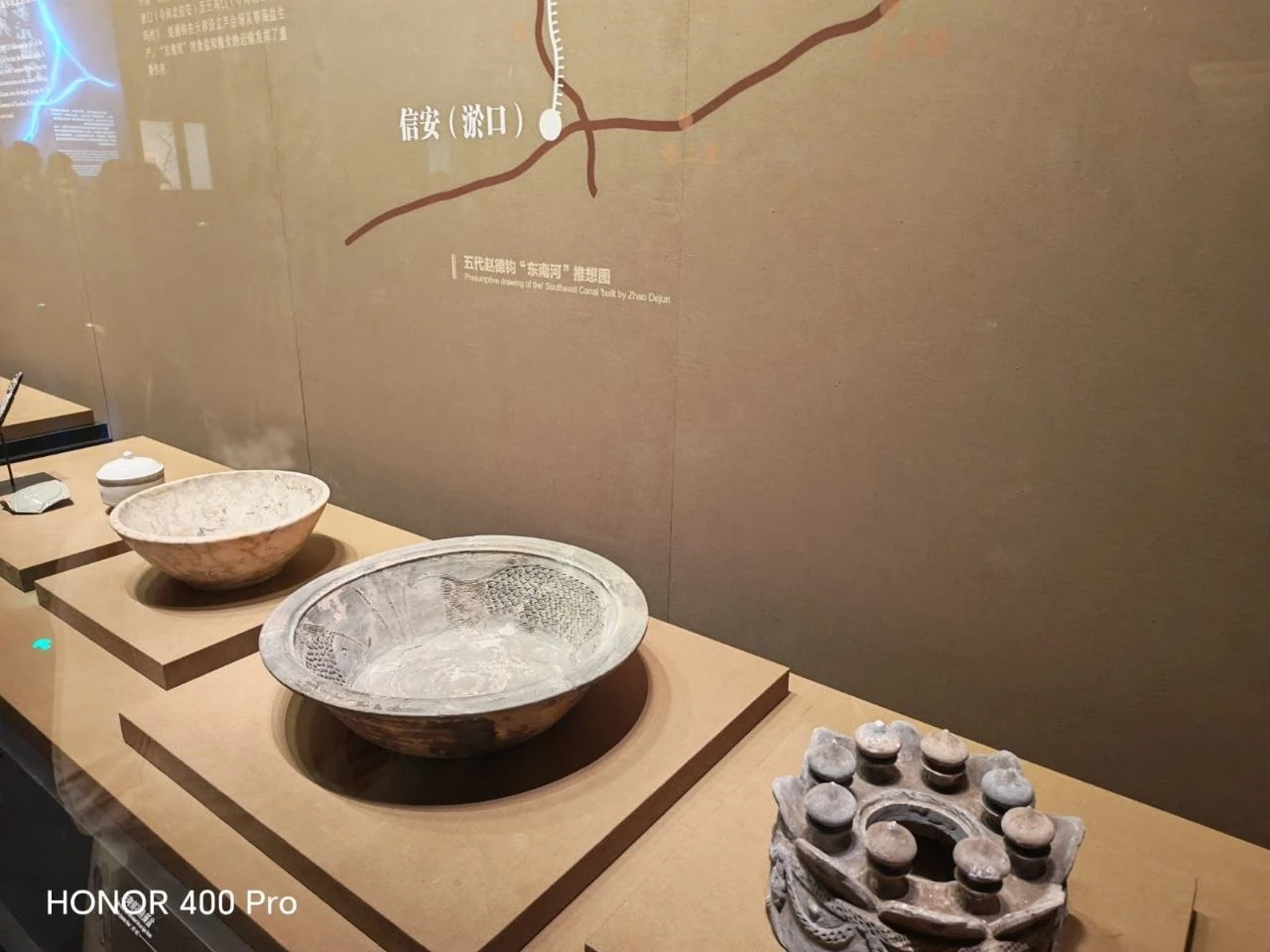
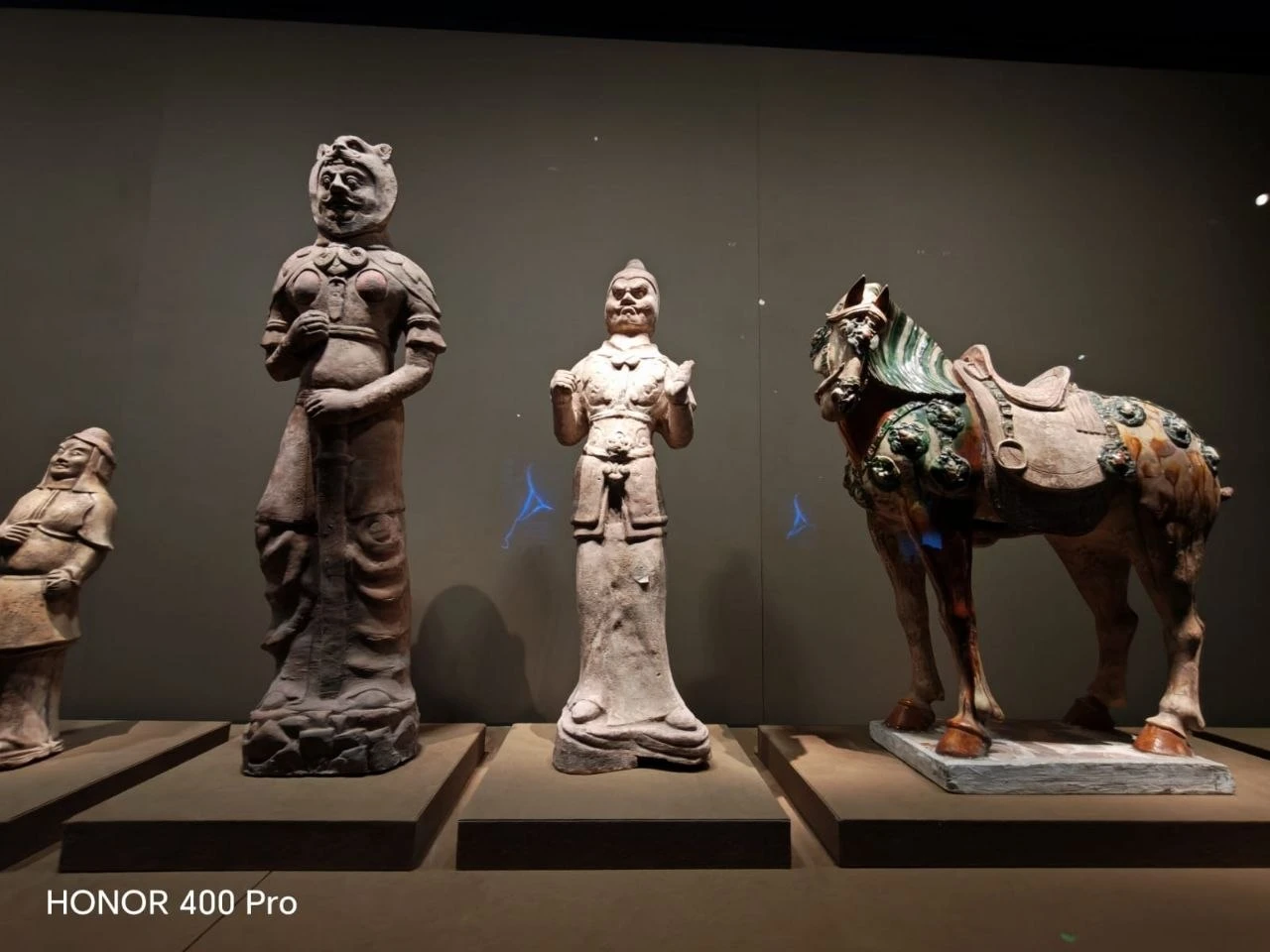
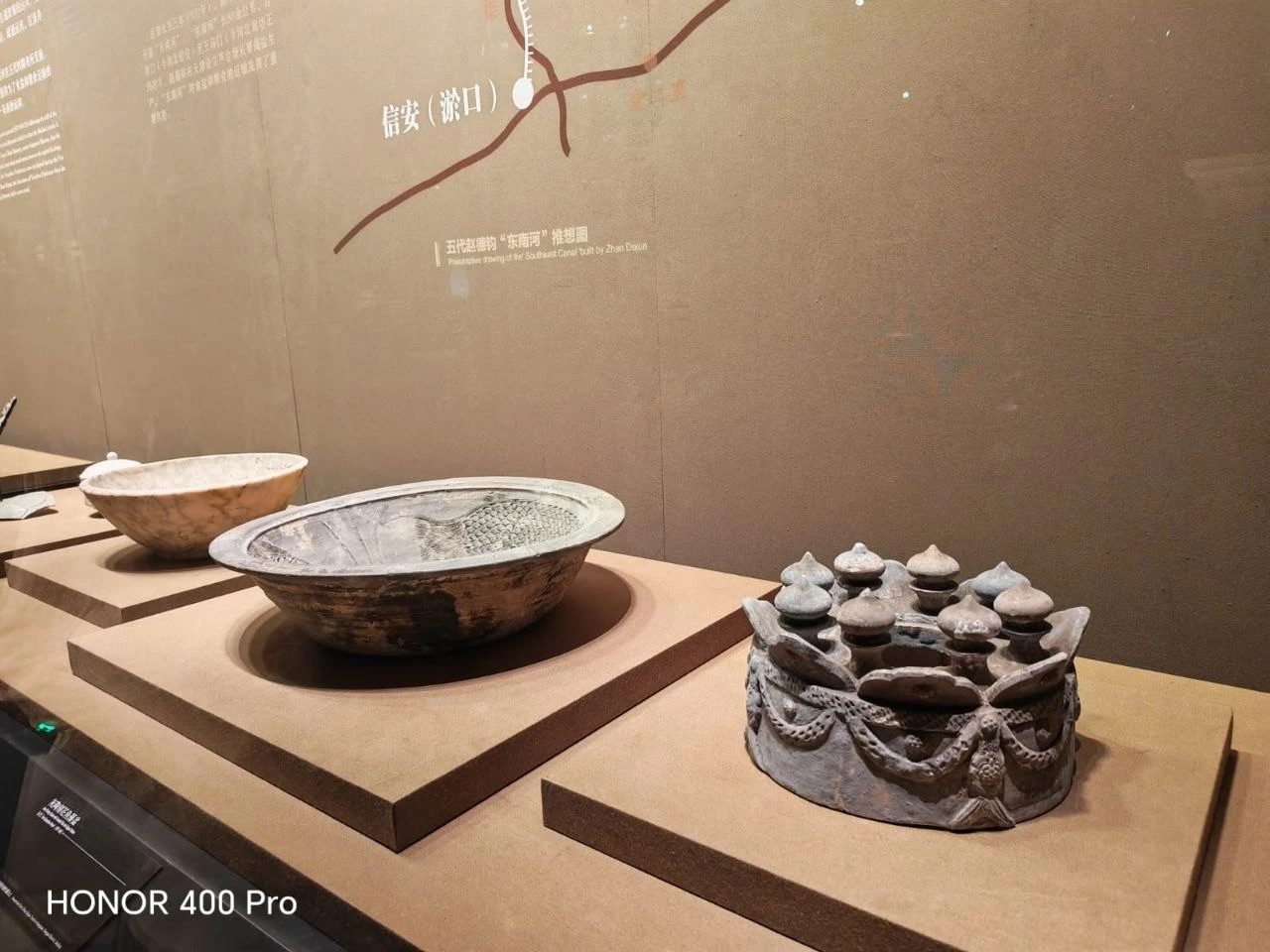
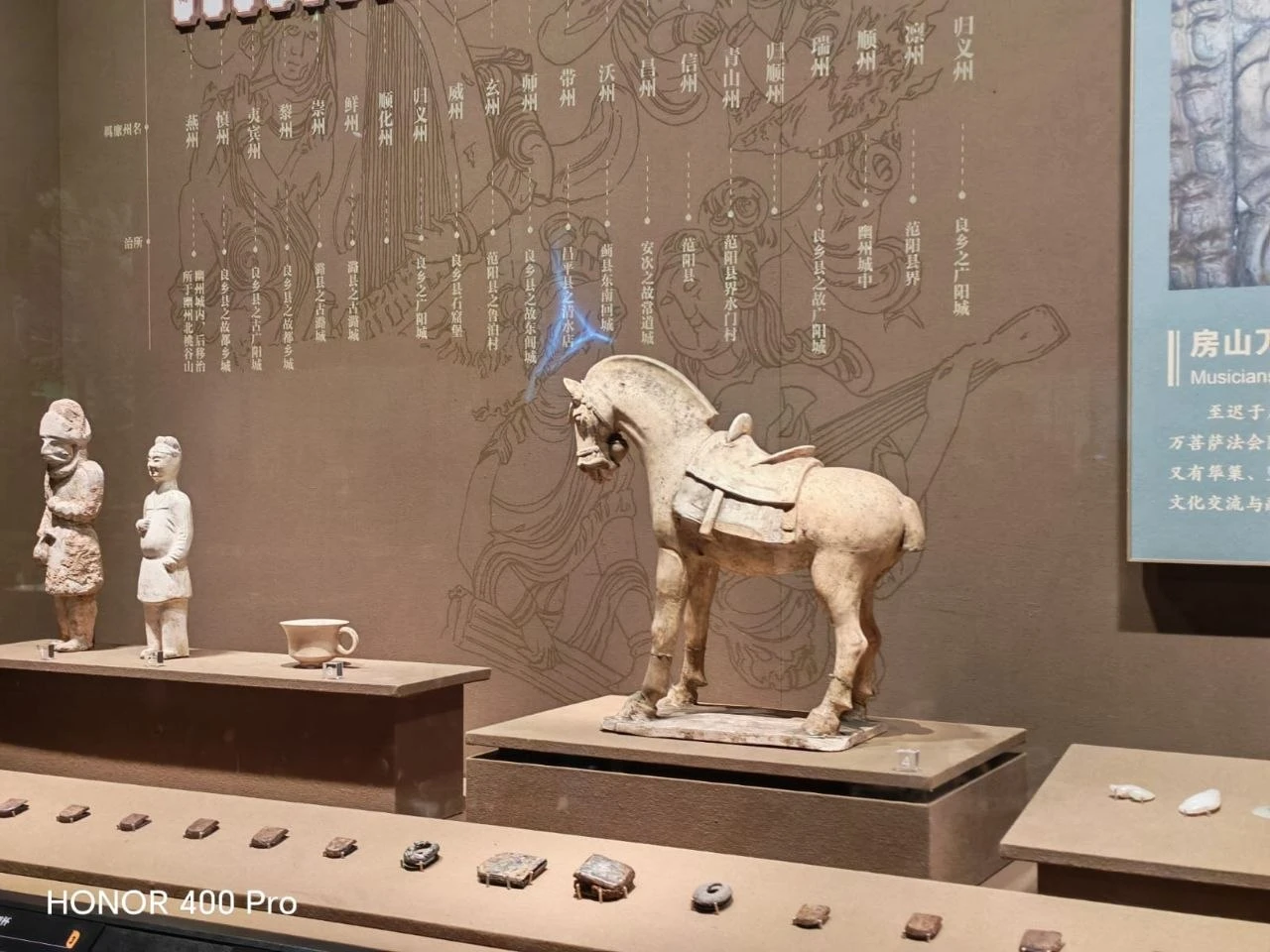
The Grand Canal, which connected Beijing and Hangzhou (Zhejiang Province), is rightfully considered a marvel of human ingenuity. It is the longest artificial waterway in the world. It is difficult to overestimate its importance for the economy, culture, and daily life of China: it was the artery through which goods, ideas, and the destinies of millions of people moved.
But in the first half of the 20th century, as a result of human activity and climate change, parts of the canal began to dry up, and the ancient waterway gradually lost its grandeur. But in 2022, for the first time in almost 100 years, the dried-up sections were filled with water again, thanks to a large-scale water transfer project. This event became not only an engineering triumph, but also a symbolic revival of historical heritage.
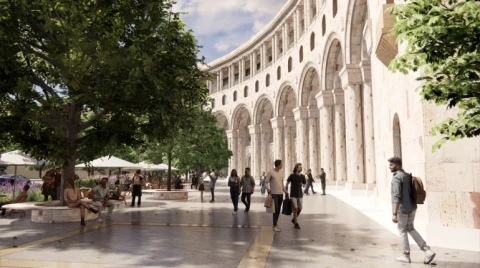
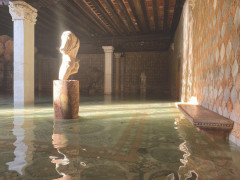
The architectural image of the Grand Canal Museum is a poetic interpretation of the theme of the Grand Canal. The concept of the territory is built around three main images: a boat, a sail, and water. The roof of the exchange hall is built in the shape of a boat, as if a ship frozen in stone, ready to travel through time. The exhibition building is crowned with a roof resembling a sail, as if catching the wind of history. And between the two buildings stretches a water street about 270 meters long and 20 meters wide, and it recreates the atmosphere of the old port platform where life once flourished, goods were loaded, and travelers met.

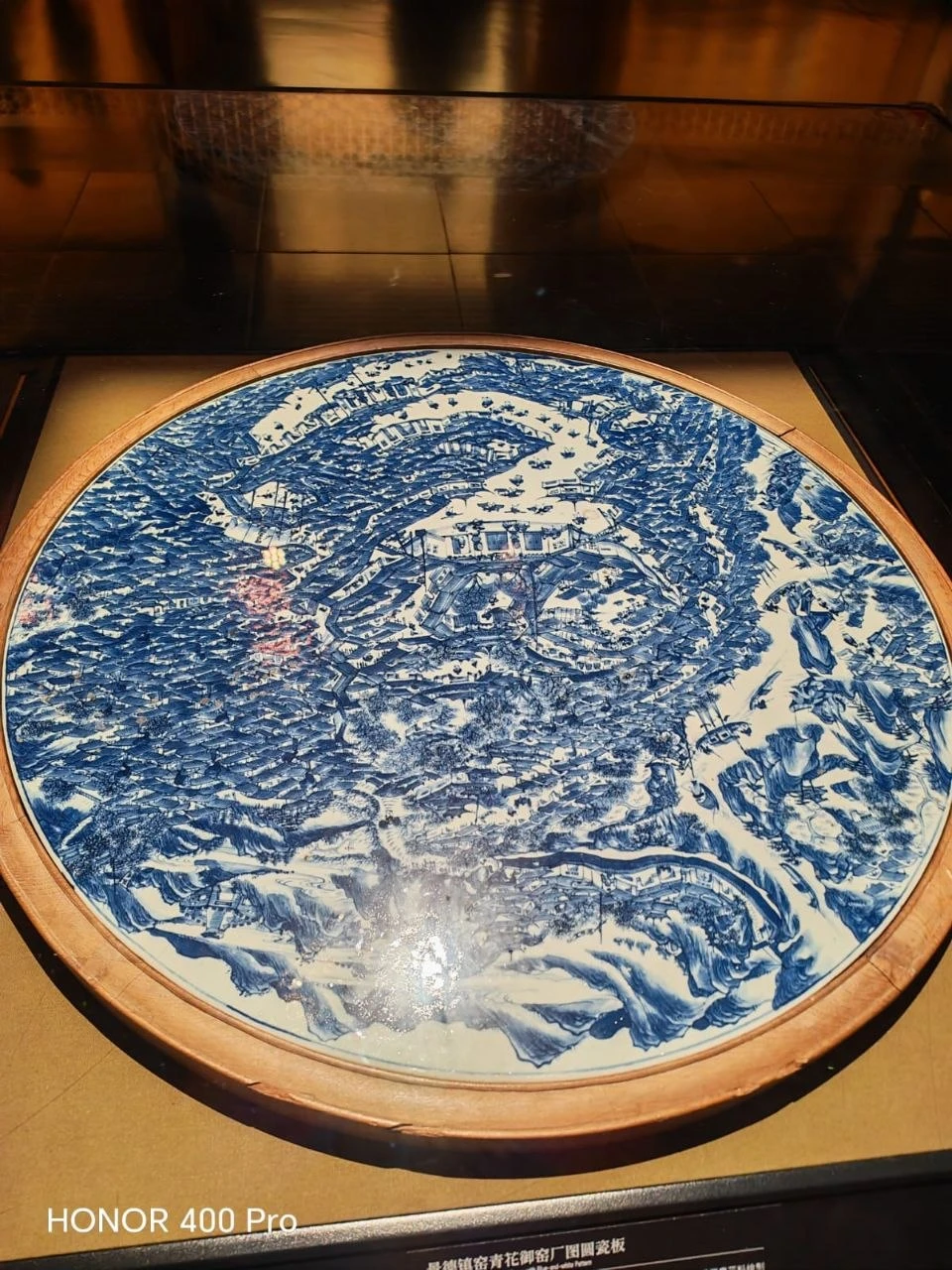
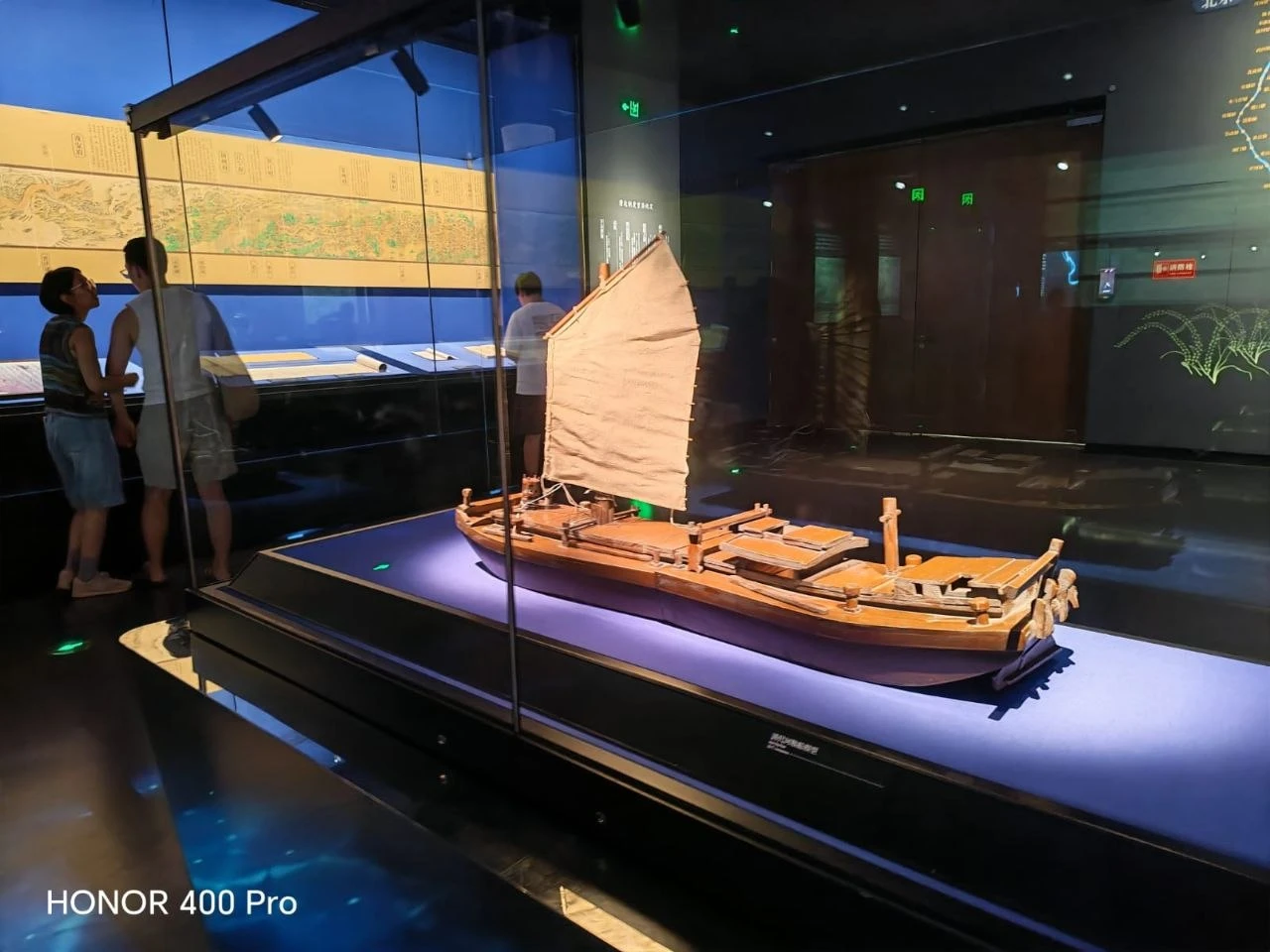
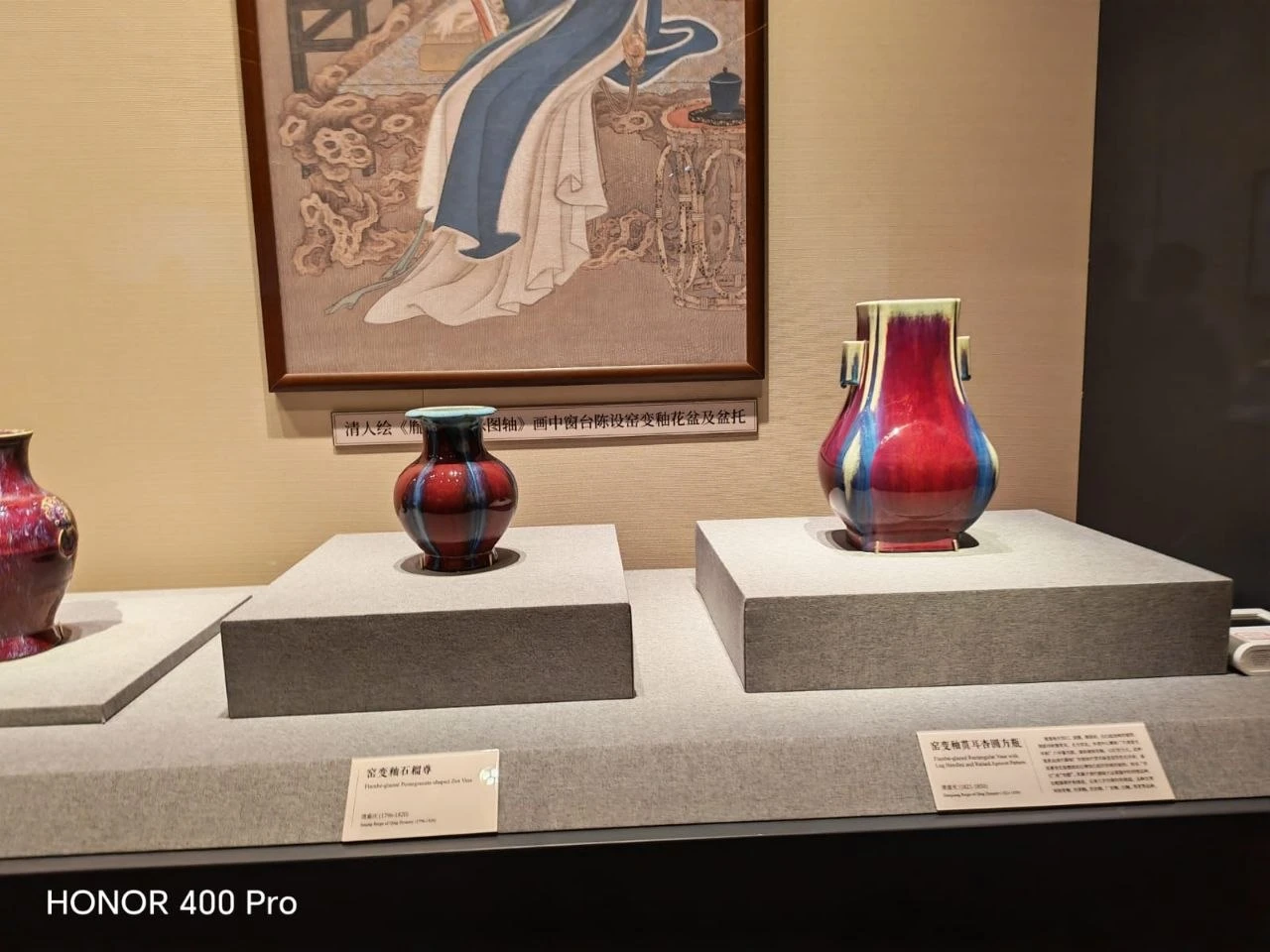
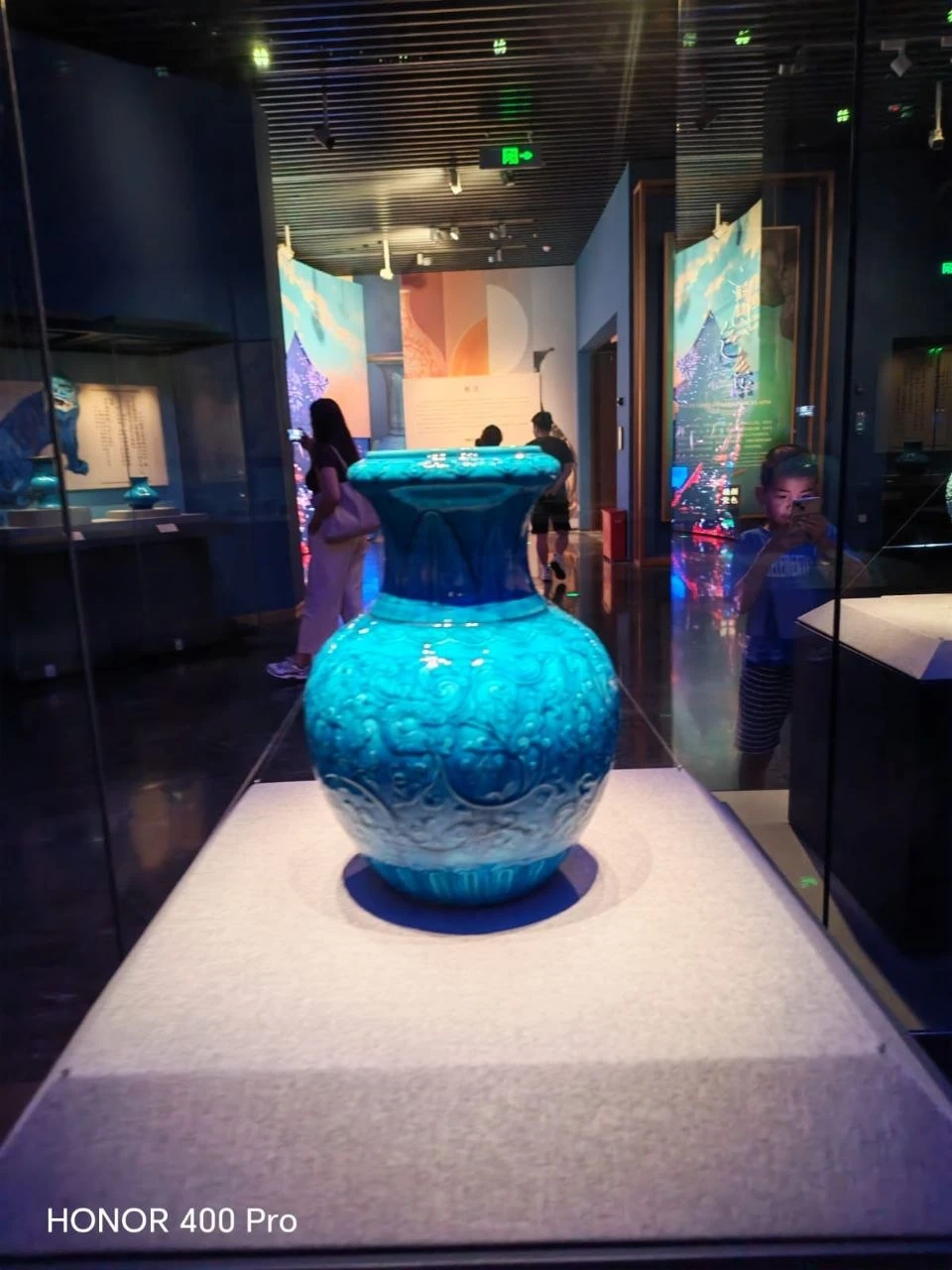
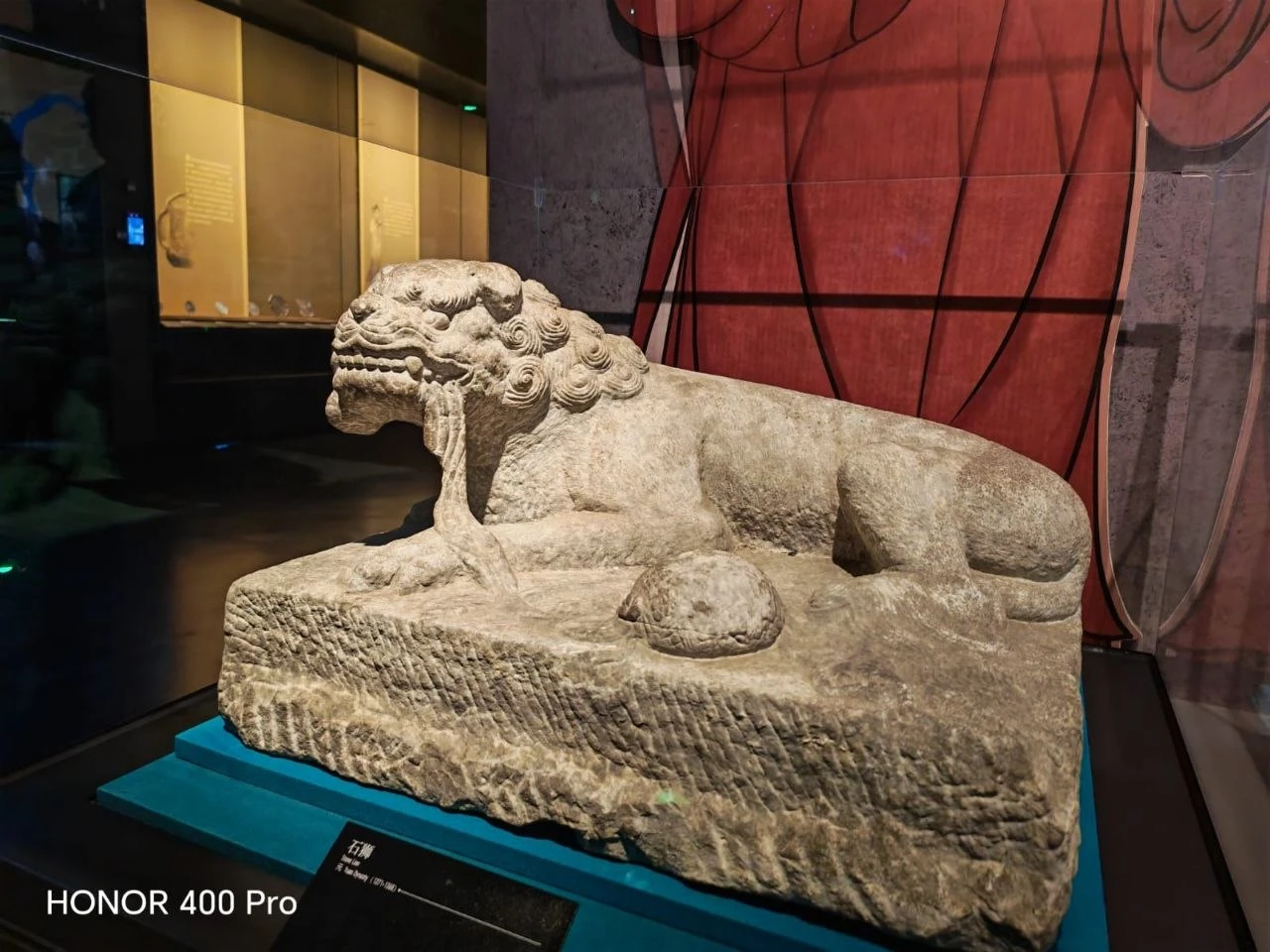
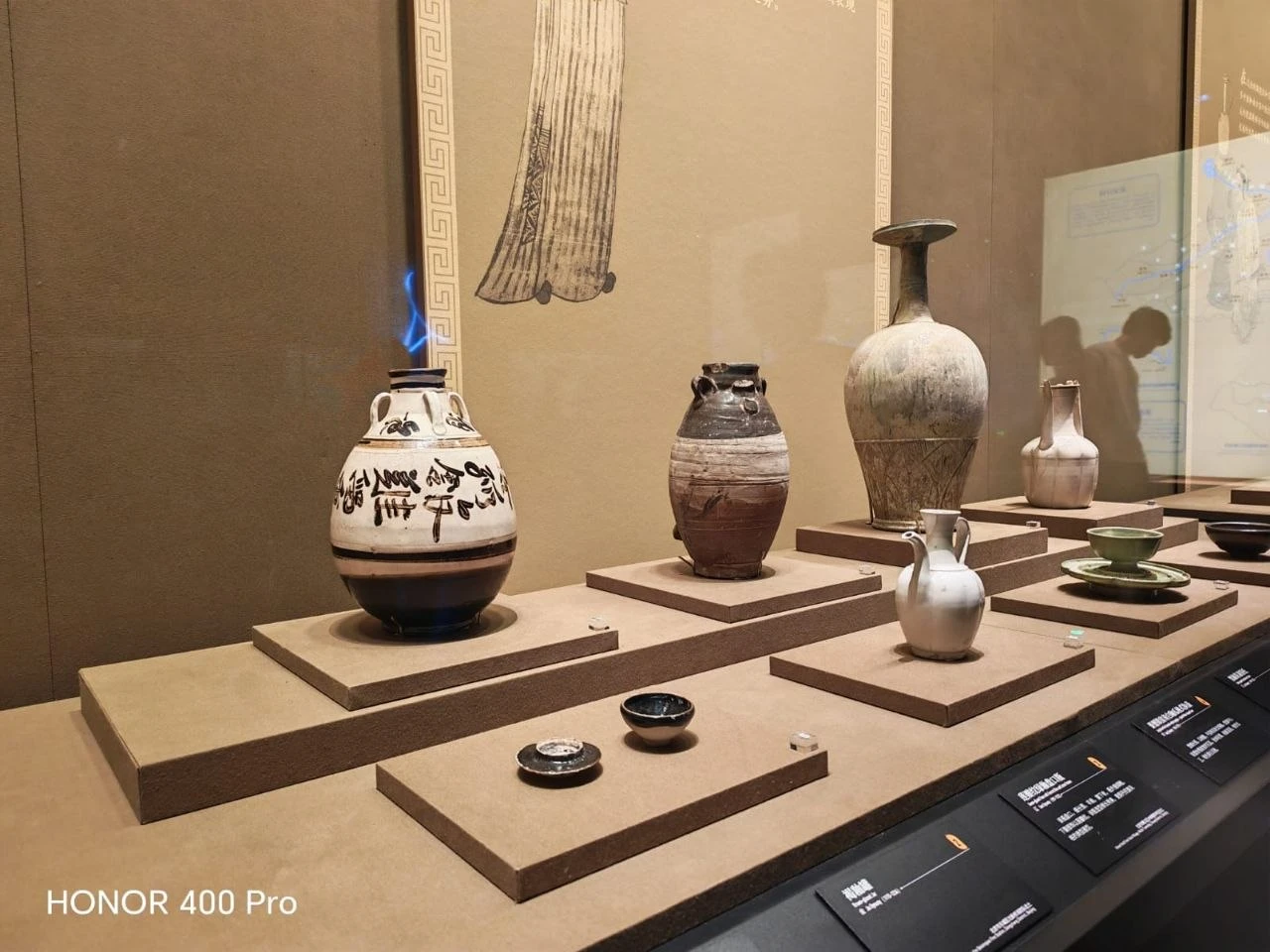
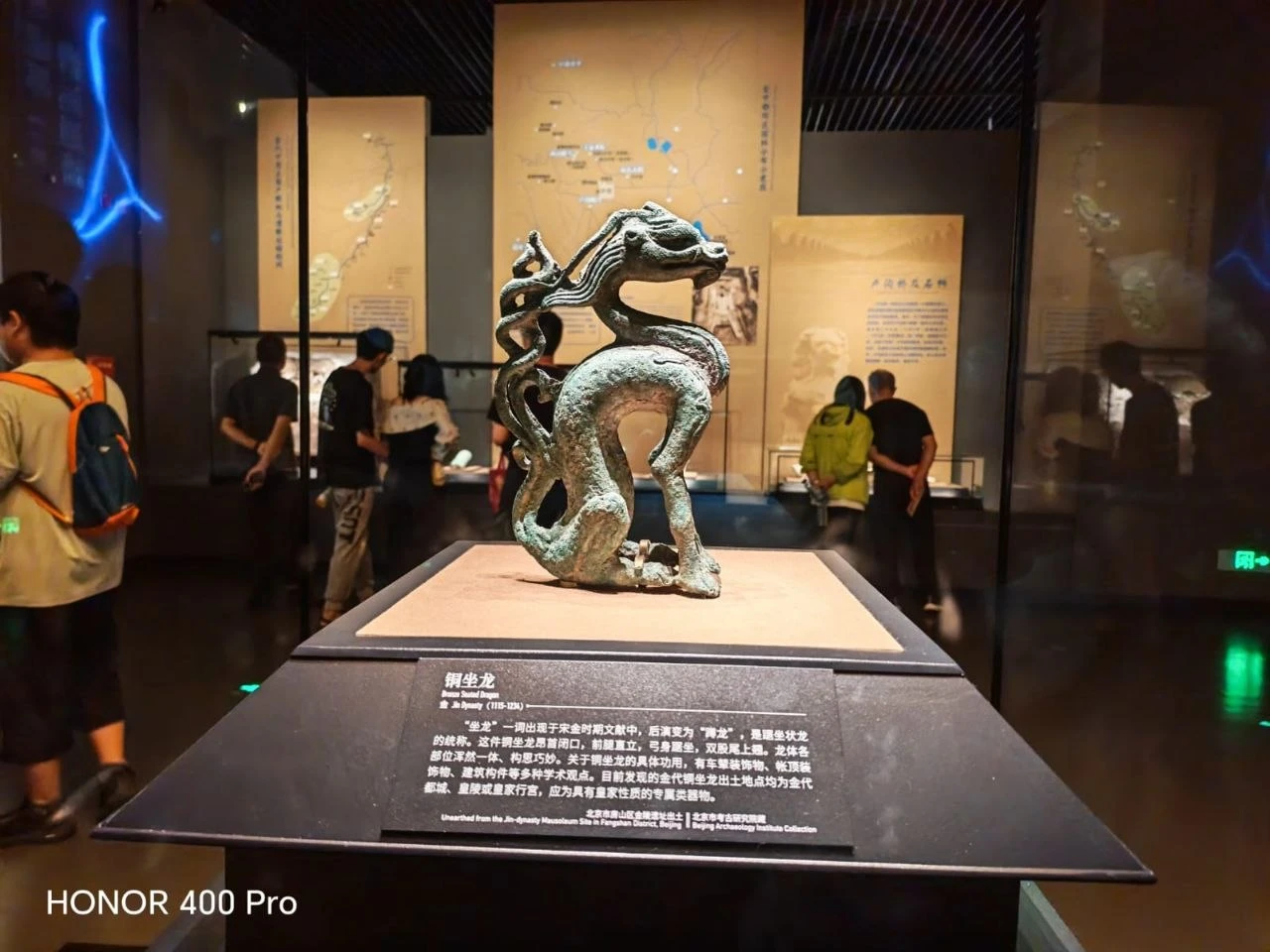
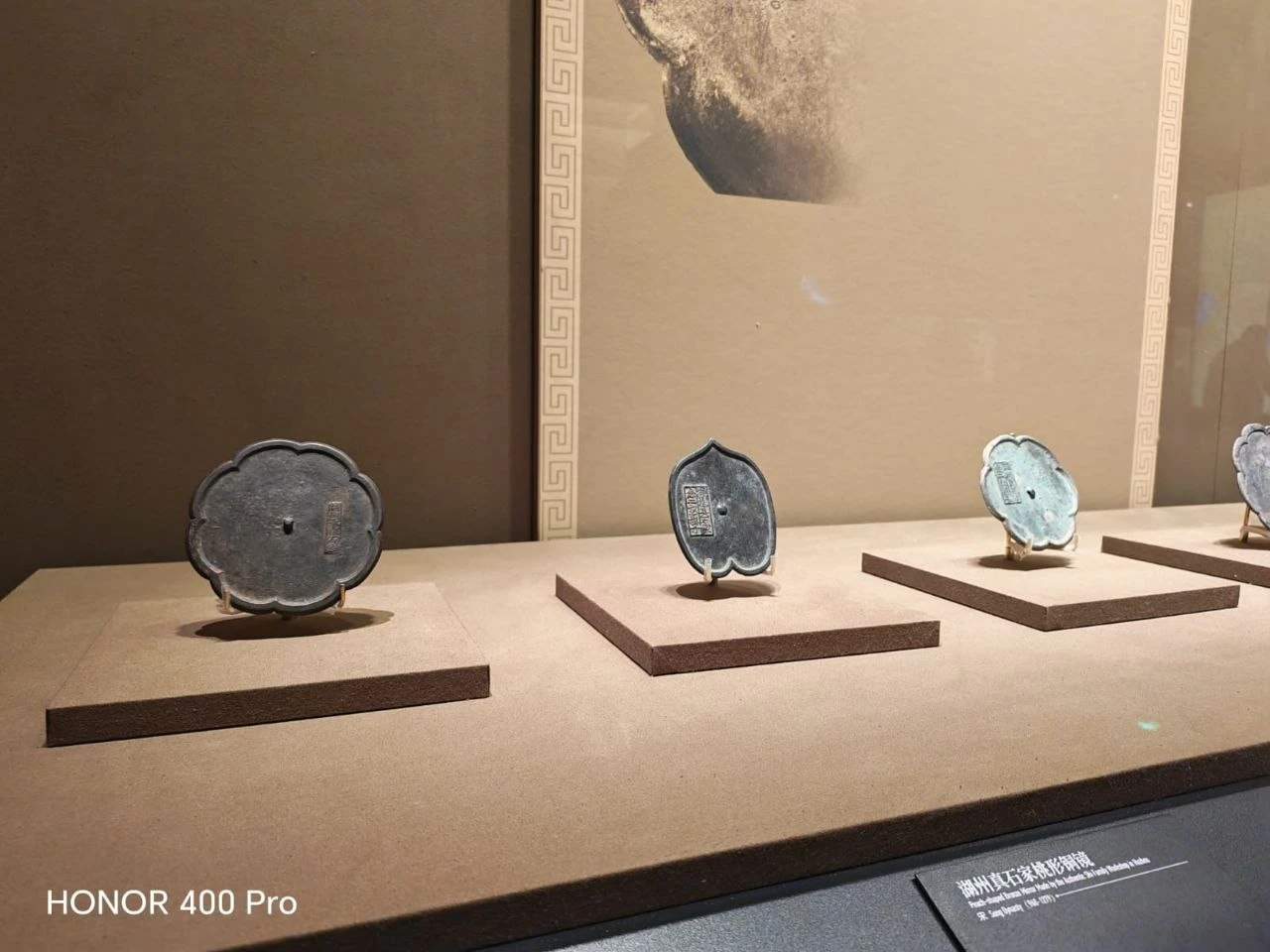
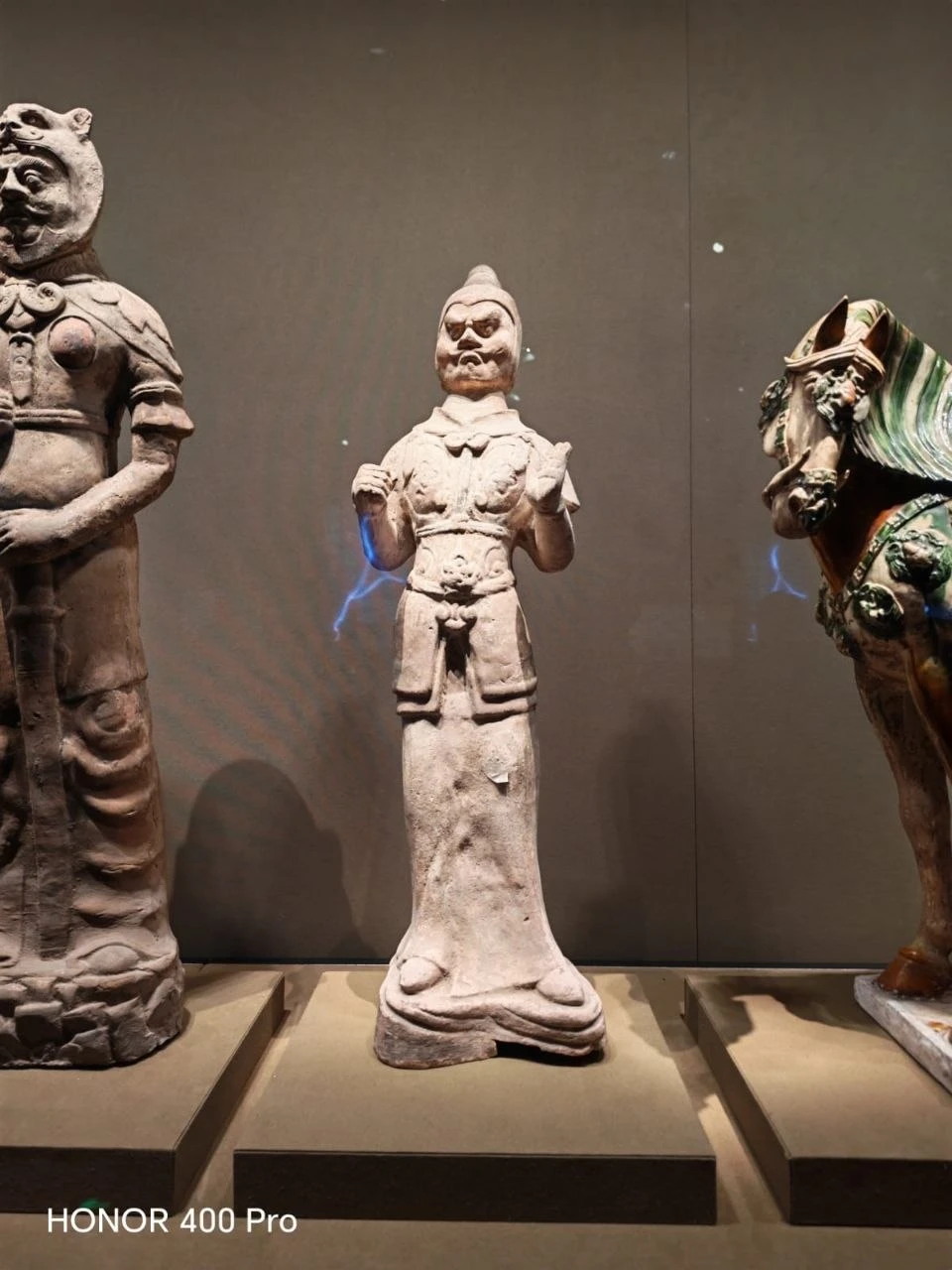
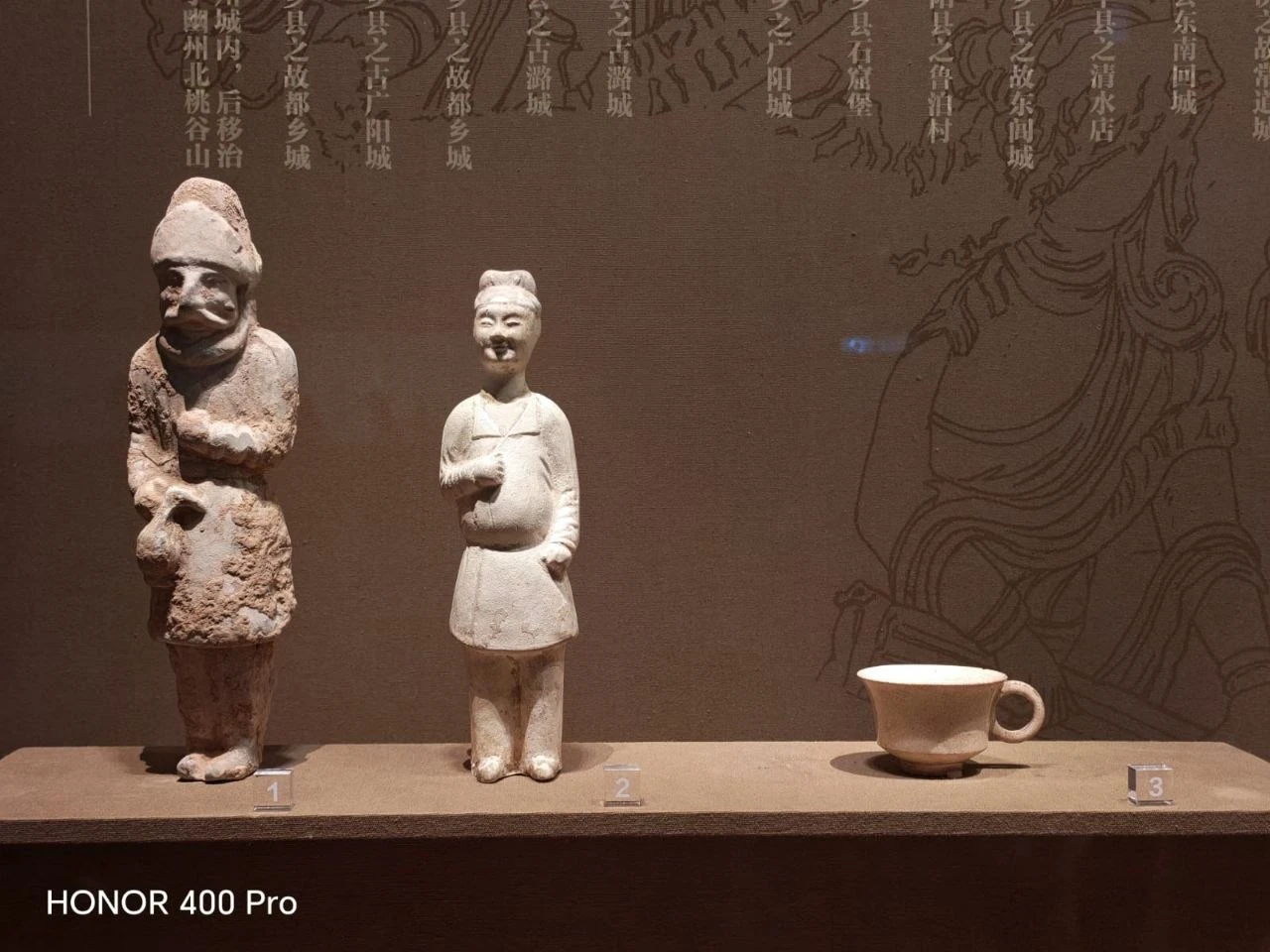
The heart of this museum is the Historical and Cultural Exhibition of Beijing and the Grand Canal. More than 1,000 cultural relics and artifacts are displayed here, divided into eight thematic sections. Each of them is a separate chapter in the history of the canal, from engineering solutions and construction technologies to the lifestyle of the people whose lives were inextricably linked with the waterway. The exhibition clearly shows how the canal has changed over the centuries and how closely its fate is intertwined with the fate of Beijing itself.

Today, the Grand Canal Museum of Beijing is not only a repository of artifacts, but also a space for dialogue with history. It is a reminder of how the engineering achievements of the past continue to influence the present, and that preserving cultural heritage is not just a tribute to tradition, but an investment in the future. The museum is worth visiting not only for its unique exhibits, but also to feel the breath of history, reflected in the water, the sails, and the silhouettes of stone boats.