make preferable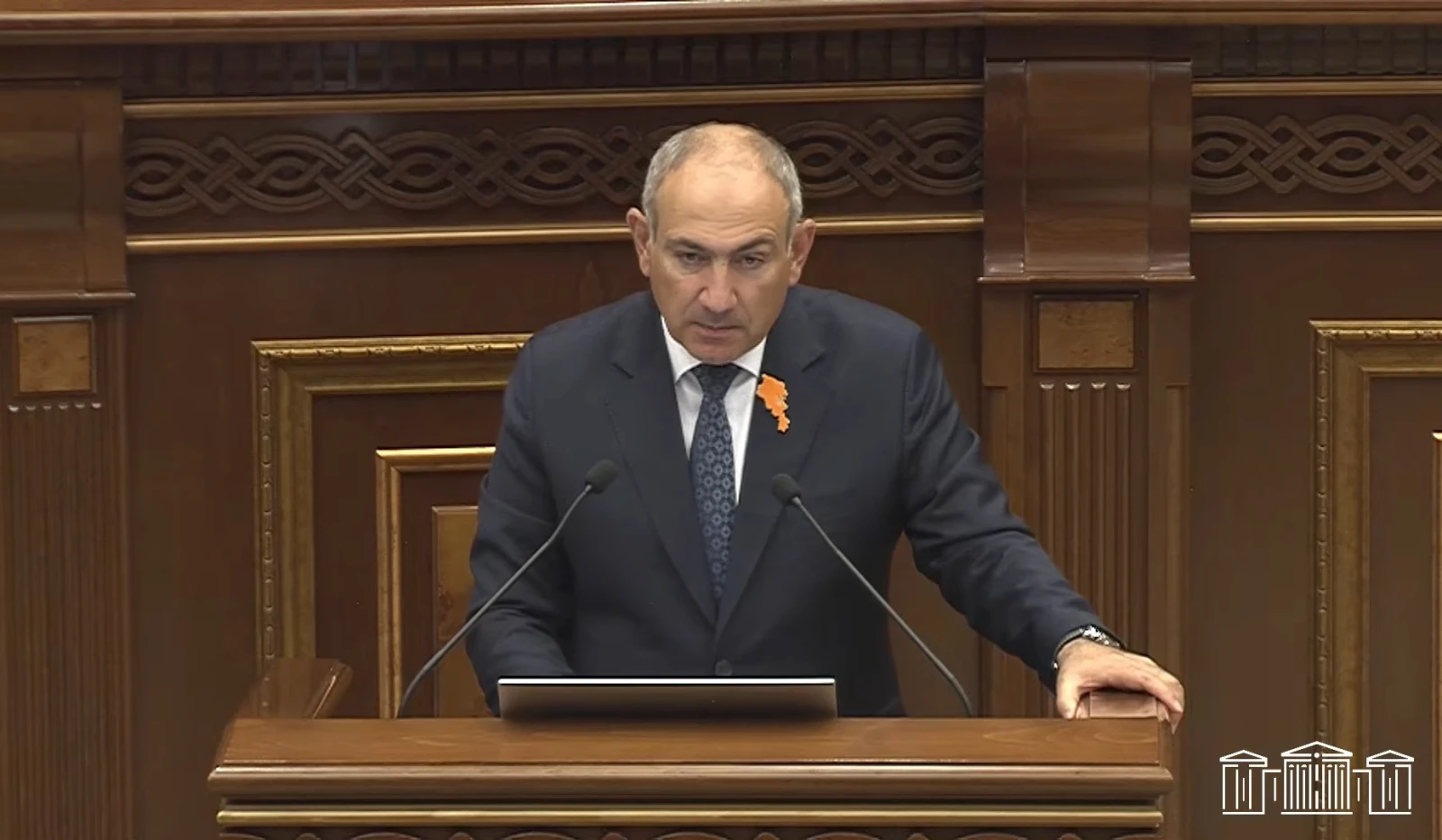
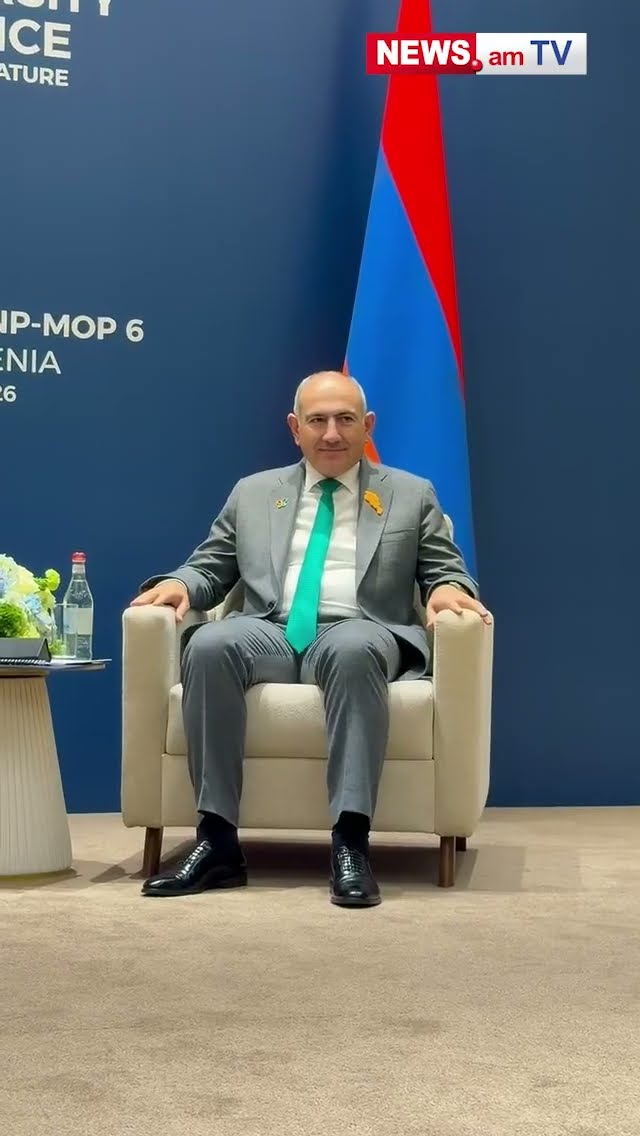
Armenia and Azerbaijan have recognized each other’s territorial integrity and sovereignty, based on the 1991 Alma Ata declaration, to which the Soviet Republics that joined it became independent states within their administrative borders. Prime Minister Nikol Pashinyan on Monday stated this within the framework of the first session of the ninth convocation National Assembly while presenting the 2026-2031 program of Armenia’s new government.
Pashinyan added as follows, in particular: “Having an undisputed—that is, a legitimate—territory under international law and legitimate positions and expectations in foreign relations is a primary tool for ensuring external security; while it is not an absolute guarantee, it is nevertheless an important cornerstone. Interconnectedness with the world is the next tool for ensuring external security. This factor allows the country to become such an important part of the economic circulation of the global supply chain that its security and stability become important for many other, including neighboring countries, and vice versa, whose instability is perceived as a threat by the region and the international community.
The Crossroads of Peace project [of the Armenian government] and the TRIPP [i.e. the Trump Route for International Peace and Prosperity] project arising from this, as a result of the implementation of which goods will flow through the territory of Armenia from east to west, north to south, create such opportunities for our country, and we rely and will rely on this strategic perception.
The next important tool for ensuring external security is long-term predictability. In the short, medium and long term, other countries should perceive the Republic of Armenia less and less as a threat, and commitment to the peace agenda should become the long-term and strategic perception of the Republic of Armenia by other countries.
Not only declared policies are essential for fulfilling this task, but also the content and discourses of the sociopsychological, educational-cultural, public-political spheres. The clear delimitation of history and the future and the practical connection of the reality of the day with the future are vital not so much for ensuring the survival of the Republic of Armenia as with the past. The phrase ‘the future is today’ also serves this purpose.”
Pashinyan noted that if the environment perceives the Republic of Armenia as a state that, so to speak, is developing out of sight and looking for a convenient moment to restore its historical homeland, naturally they will also look for a convenient moment to stop this process of thought, and ultimately to put an end to this threat.
“The necessary, if not sufficient, condition for radically addressing this problem is to instill the ideology of ‘real Armenia’ as a strategy in the Republic of Armenia. This formula must be organically integrated with the underestimated perception in us that peace is the only effective and reliable guarantee of ensuring security; there simply is no other reliable guarantee.
And therefore, working on peace, strengthening peace every day, taking care of peace is one of the most important things to do in the security sector. Also, it must be understood that there is nothing easier than destroying peace. Especially now, destroying peace does not require special efforts, destroying peace is easy, it is not difficult to do it at all. But strengthening peace, taking care of peace requires significant efforts, even dramatic efforts; and by saying these ‘dramatic efforts,’ we mean that we must step out of our comfort zones," added the Armenian premier.