make preferable
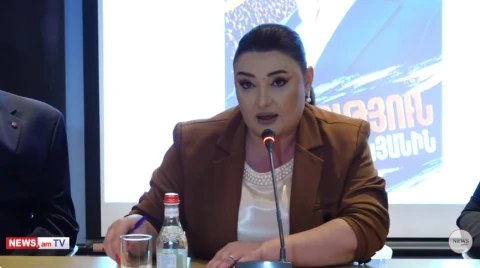
In my assessment, the religious element is important in the Armenia-Azerbaijan context. In the destruction of the [Armenian] heritage in Artsakh [(Nagorno-Karabakh)], we see a direct targeting of [Christian] religious heritage. Lawyer Siranush Sahakyan, head of the “International and Comparative Law Center” NGO and representative of Armenian prisoners of war before the European Court of Human Rights, told this to a press conference Friday, as she addressed the question of whether there were any manifestations of religious discrimination against Armenian prisoners held in Azerbaijan.
“It is impossible to say here that religion does not matter. At the moment, all Armenians in Azerbaijan are Christians and are being held illegally. And if the conflict were in another country where they professed a different religion, would the humanitarian right to immediate release be respected? It would most likely have been respected, these issues would have been resolved more easily,” Sahakyan added.
“Next, we have seen targeted actions [by Azerbaijan] in relation to [Christian] religious symbols. It is a recorded fact in international reports that in the case of tattoos in the form of a cross, they were burned; that is, the cross was removed from the skin through torture. Although some limited books were provided to Armenian prisoners, the transfer of the Bible was prohibited, or there were cases when we recorded that they were forced to read the Quran. Such facts already prove that being a Christian is more at risk [in Azerbaijan], and perhaps being a bearer of Christian culture also makes civilizational dialogue with Azerbaijan difficult. I believe this element exists,” Siranush Sahakyan noted.